Top news

Sep 26, 2026, 10:30 PM UTC

← Latest news

01
ContinuingAI-generated
Finnish president rejects timeline predictions of potential Russian attack on NATO

Finnish president rejects timeline predictions of potential Russian attack on NATO

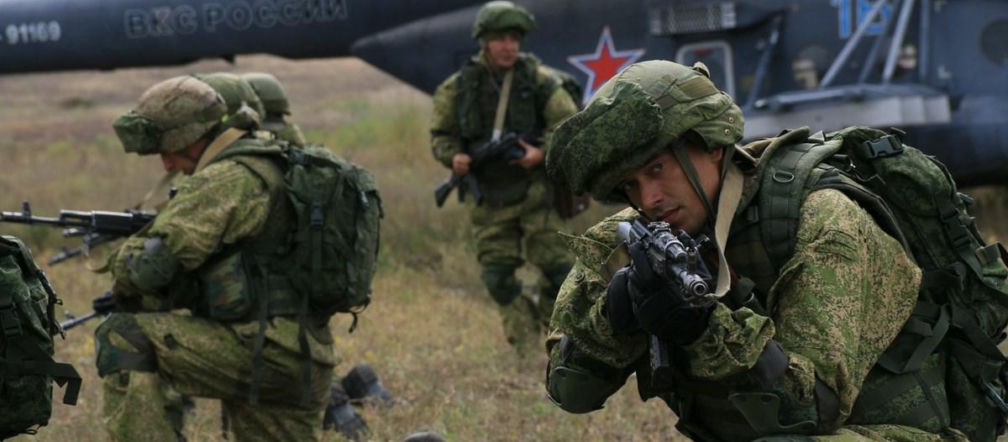
Finnish President Alexander Stubb has dismissed German warnings of a potential Russian attack on NATO by 2029, calling for preparedness while seeing no evidence for such a timeline.

Finnish President Alexander Stubb has dismissed assertions from German officials that Russia could be ready to attack NATO territory by 2029, stating there is no concrete evidence supporting the timeframe. Speaking in an interview with German newspaper Bild, Stubb remarked, "If anyone has such a crystal ball - that's great. But I simply see neither evidence nor facts for this."

While expressing skepticism that Moscow would target the alliance, Stubb emphasized that NATO members must remain vigilant and prepare for worst-case scenarios to maintain effective deterrence. Meanwhile, European intelligence assessments continue to highlight an increase in Russian hybrid operations, espionage, and sabotage activities. Frontline nations are stepping up defense readiness and regional military cooperation to counter these non-conventional threats.

Sources: Defence24, Portal obronny, Rzeczpospolita, TVP info.
Read more
02
ContinuingAI-generated
Ukraine expands domestic weapons production amid air defense shortages

Ukraine expands domestic weapons production amid air defense shortages

Ukraine is expanding domestic weapons development, including ballistic missiles and glide bombs, to mitigate Western air defense shortages.

Ukraine is expanding its domestic defense manufacturing to mitigate severe shortages of Western air defense interceptors during intensified Russian ballistic missile strikes. President Volodymyr Zelenskyy cautioned that establishing local production of Patriot systems under U.S. licensing faces bureaucratic delays and will require between one and several years.

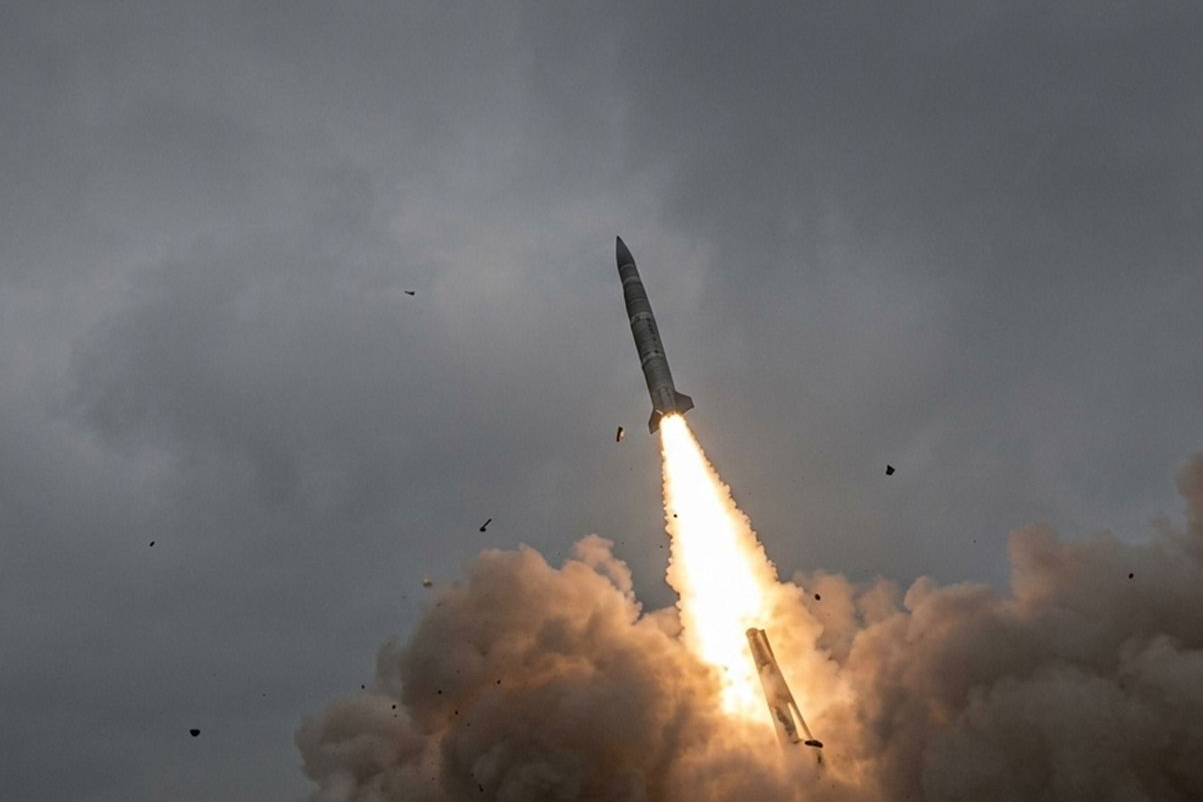
To bridge this air defense deficit, two Ukrainian enterprises are developing indigenous ballistic missiles, though technical challenges delay mass production. Concurrently, the Ukrainian military is procuring the new "Equalizer" precision glide bomb system. Developed by DG Industry alongside the Brave1 initiative, the conversion kit transforms conventional unguided bombs into long-range precision munitions compatible with both Soviet-legacy jets and Western F-16s. These initiatives underscore Kyiv's strategic effort to diminish reliance on international military assistance.

Sources: NEXTA, NV, Point, The Insider, Українська правда

Read more
03
ContinuingAI-generated
Upcoming US midterms spark concerns over foreign policy shifts

Upcoming US midterms spark concerns over foreign policy shifts

Approaching US midterm elections and domestic political disputes risk shifting Washington's focus away from foreign policy challenges in Ukraine and Iran.

As the US midterm elections approach, shifting political dynamics in Washington threaten to alter American foreign policy priorities. Former Ukrainian Ambassador Valeriy Chalyi warned that if Republicans lose control of both houses of Congress, US lawmakers will likely pivot toward internal political battles, reducing focus on aid for Kyiv.

Simultaneously, White House advisers are reportedly encouraging President Donald Trump to avoid military escalation with Iran to safeguard Republican electoral prospects. Although a visiting bipartisan delegation of US congressmen in Kyiv pledged continued support for Ukraine to negotiate from a "position of strength," they acknowledged that domestic partisan gridlock continues to delay key legislative measures, including proposed sanctions against Russia.

Sources: Liga net, NV, Радіо Свобода, Українська правда.

Read more
04
ContinuingAI-generated
European security services warn of Russian hybrid threats as regional tensions rise

European security services warn of Russian hybrid threats as regional tensions rise

European intelligence agencies urge vigilance amid expanding Russian hybrid threats, mounting tensions in Northern Europe, and ongoing Ukrainian deep-territory strikes.

European security assessments indicate that Russia retains the capacity to sustain its war effort in Ukraine, even as its strategic flexibility narrows and European allies maintain that peace requires a Russian defeat. Meanwhile, Kyiv has intensified deep-strike operations using drones and missiles against targets inside Russia, including key airbases, to disrupt military logistics and economic infrastructure.

At the same time, friction between Moscow and Northern European nations is escalating. Senior Russian officials, including President Vladimir Putin, sharply criticized Norway following recent NATO exercises and the seizure of a Russian vessel. Concurrently, security agencies in Germany and Denmark have raised alarms over state-sponsored hybrid warfare, citing sabotage plots against defense suppliers and incidents at critical infrastructure like Leipzig airport. Intelligence experts urge European authorities to strengthen counter-sabotage defenses while avoiding panic.

Sources: Aftenposten, Berlingske, Dagens Næringsliv, Finansavisen, TV 2 Nyheter

Read more
05
ContinuingAI-generated
US rejects Iranian proposal to reopen Strait of Hormuz amid military escalation

US rejects Iranian proposal to reopen Strait of Hormuz amid military escalation

US President Donald Trump rejected an Iranian proposal to reopen the Strait of Hormuz, as military actions in the waterway continue to intensify.

US President Donald Trump has rejected a seven-day ceasefire proposal from Tehran aimed at reopening the Strait of Hormuz. Iran had offered to reopen the strategic shipping route if Washington agreed to lift its naval blockade on Iranian ports, suspend petroleum sanctions, unfreeze Iranian assets, and cease all military operations. Iranian officials maintained that the waterway will remain closed until those conditions are fulfilled.

The diplomatic deadlock coincides with escalating military confrontations in the passage. Following a US military strike on Iran's Larak Island, American forces began escorting commercial oil tankers through the strait at night. In response, Iranian forces deployed rocket-launched naval mines into the maritime corridor, raising concerns over a potential new cycle of conflict.

Sources: Expresso, Expresso das Ilhas, Jornal Económico, RTP (Rádio e Televisão de Portugal)

Read more
Share