Top news

Sep 26, 2026, 10:30 AM UTC

← Latest news

01
ContinuingAI-generated
Finnish president downplays timeline of potential Russian attack on NATO

Finnish president downplays timeline of potential Russian attack on NATO

Finnish President Alexander Stubb dismissed German warnings of a Russian attack by 2029, while European intelligence agencies warn of escalating hybrid threats.

Finnish President Alexander Stubb has rejected warnings from German officials predicting a potential Russian attack on NATO by 2029, asserting there are "neither evidence nor facts" to support such a timeline. Speaking to German media, Stubb stated that while he cannot imagine Moscow attacking the alliance, member states must remain vigilant and continuously prepare for worst-case scenarios.

Despite Stubb's skepticism regarding a conventional invasion, European security agencies and frontline nations report rising concerns over unconventional aggression. Poland, Finland, the Baltic states, and Sweden are intensifying military cooperation to counter escalating Russian hybrid operations, espionage, and sabotage targeting European infrastructure. Intelligence chiefs across the region maintain that deterring these asymmetric actions remains a critical priority for collective defense.

Sources: Defence24, Portal obronny, Rzeczpospolita, TVP info.
Read more
02
ContinuingAI-generated
Ukraine expands domestic arms production to address air defense shortages

Ukraine expands domestic arms production to address air defense shortages

Ukraine is accelerating domestic defense initiatives, including ballistic missile development and glide bomb conversion kits, as local Patriot production faces multi-year delays.

Ukraine is working to reduce its dependence on Western military supplies by expanding domestic defense manufacturing amid continued Russian ballistic missile attacks. President Volodymyr Zelenskyy noted that establishing local production of Patriot air defense systems under American licenses faces regulatory delays, requiring anywhere from one to several years to deploy.

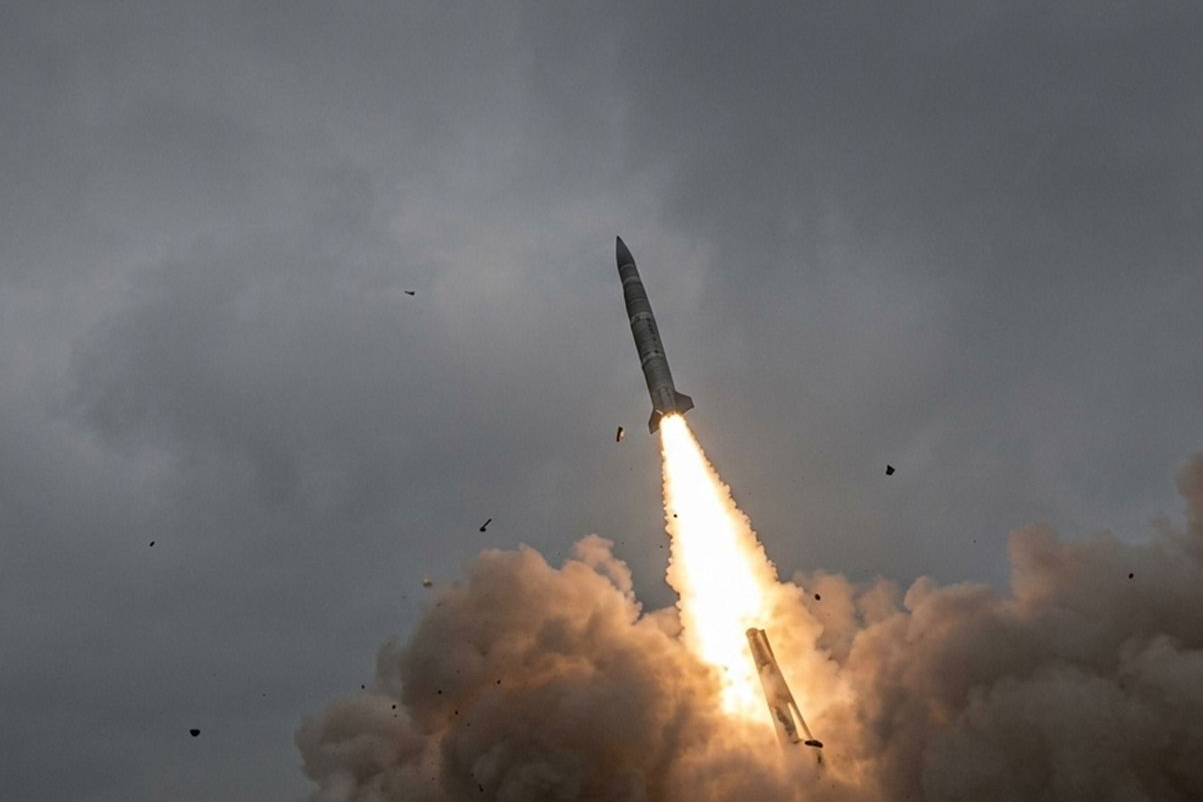
To navigate this period of vulnerability, Ukrainian firms are pursuing indigenous weapon programs. Two domestic companies are developing homegrown ballistic missiles, though technical hurdles currently prevent immediate mass production. Additionally, the Ukrainian Armed Forces are acquiring the domestically developed "Equalizer" glide bomb kit. Created by DG Industry alongside the Brave1 innovation cluster, the system converts unguided air bombs into precision-guided munitions compatible with both Soviet-era and Western aircraft.

Sources: NEXTA, NV, Point, The Insider, Українська правда

Read more
03
ContinuingAI-generated
Heavy fighting persists across eastern Ukraine as drone strikes cause civilian deaths

Heavy fighting persists across eastern Ukraine as drone strikes cause civilian deaths

Heavy fighting continues across eastern Ukraine as Ukrainian forces report over 250 daily engagements, while Russian drone attacks cause civilian casualties.

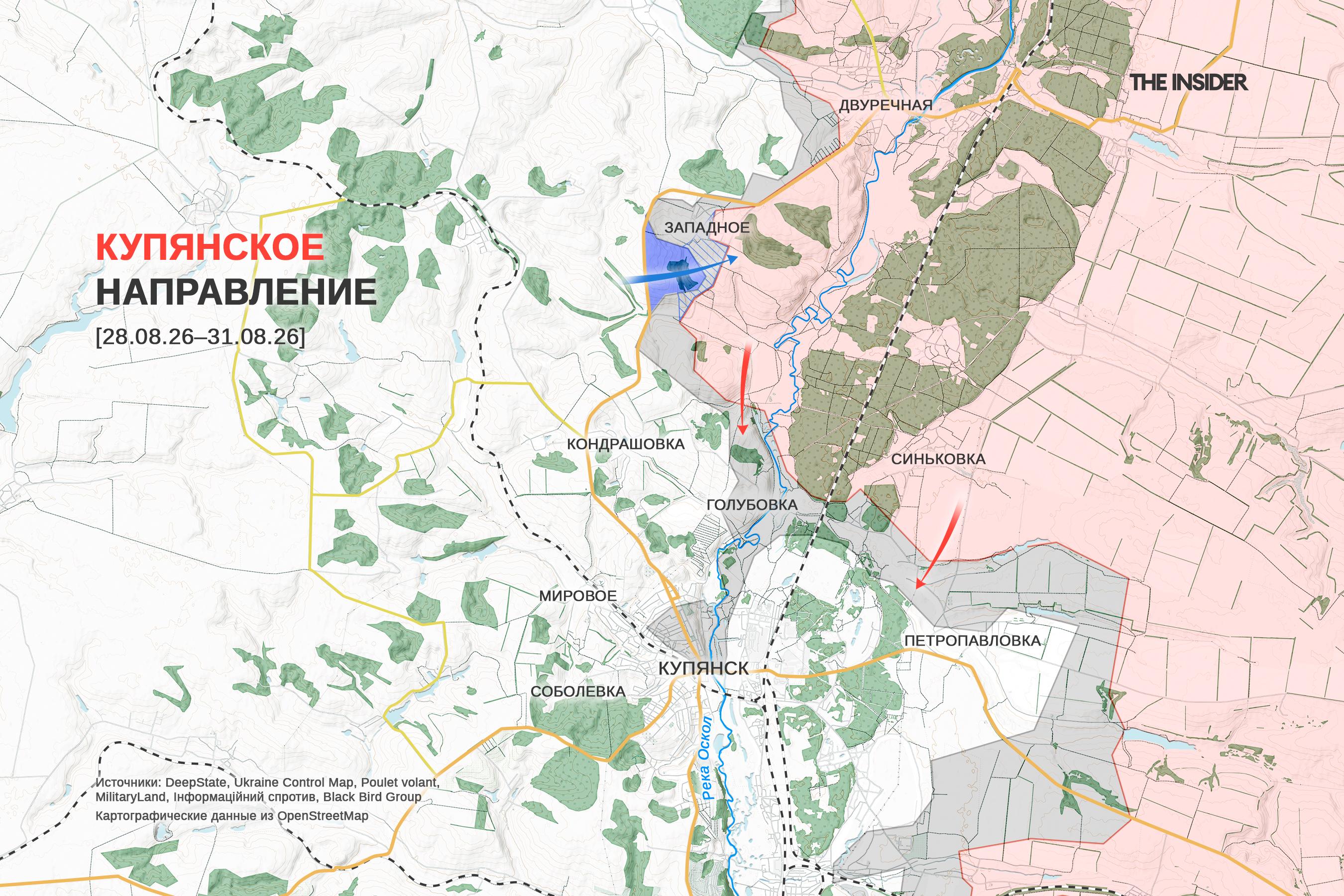
Heavy combat continues across Ukraine's eastern front line, with Ukrainian military officials logging over 250 engagements in a single day. Russian forces focused intense assault efforts on the Pokrovsk, Lyman, and Kostiantynivka axes. Simultaneously, Ukrainian troops advanced along the Oskil River north of Kupiansk following successful drone counter-operations, while reports point to potential Ukrainian advances near Lyman.

Conversely, Moscow claimed its forces seized several villages leading toward Sumy, while Russian Chief of the General Staff Valery Gerasimov denied Ukrainian tactical gains in the Zaporizhzhia region. Away from the frontline, overnight Russian drone attacks involving 138 UAVs inflicted civilian casualties, killing a mother and two children in Kyiv Oblast and a priest at a monastery in Kherson Oblast.

Sources: NV, Point, Радіо Свобода, The Insider, Українська правда.

Read more
04
ContinuingAI-generated
US midterm elections threaten Republican control as foreign policy priorities hang in balance

US midterm elections threaten Republican control as foreign policy priorities hang in balance

Upcoming US midterm elections could shift Congressional power, potentially impacting American foreign policy toward Ukraine and Iran amid political gridlock in Washington.

United States midterm elections could significantly alter Washington's legislative balance, potentially weakening President Donald Trump's political standing and shifting attention away from international crises. Former Ukrainian Ambassador Valeriy Chalyi warned that if Republicans lose control of both the House of Representatives and the Senate, American lawmakers will focus primarily on internal political conflicts, leaving little capacity to address foreign policy priorities such as Ukraine.

Meanwhile, White House advisers are reportedly urging President Trump to avoid escalating military conflicts with Iran before the November vote to protect Republican electoral prospects. Simultaneously, a visiting bipartisan delegation of US congressmen in Kyiv reaffirmed continued support for Ukraine, emphasizing that Kyiv must negotiate from a "position of strength." However, the lawmakers acknowledged that political disputes in Washington continue to stall crucial legislation, including proposed new sanctions against Russia.

Sources: Liga net, NV, Радіо Свобода, Українська правда.

Read more
05
ContinuingAI-generated
Iran conditions Strait of Hormuz reopening on US concessions amid rising naval tensions

Iran conditions Strait of Hormuz reopening on US concessions amid rising naval tensions

Iran maintains that the Strait of Hormuz will stay closed until US demands are met, despite signals of possible diplomatic progress.

Iran has stated that the Strait of Hormuz will remain closed until the United States lifts petroleum sanctions, unfreezes assets, and halts military operations. However, Iranian officials signaled through intermediaries that the vital shipping route could reopen within seven days if Washington reduces military pressure and commits to negotiations. Meanwhile, military friction in the waterway is intensifying. Following a recent US military strike on Larak Island, American forces began escorting commercial oil tankers through the strait at night. In response, Iranian forces deployed rocket-launched sea mines to counter US operations. Both nations are attempting to gain strategic leverage as risk of further escalation grows.

Sources: Expresso, Expresso das Ilhas, RTP (Rádio e Televisão de Portugal).

Read more
Share