Top news

Sep 24, 2026, 02:00 PM UTC

← Latest news

01
ContinuingAI-generated
How the key events of 1989 redefined modern global politics

How the key events of 1989 redefined modern global politics

Analyses mark 1989 as a pivotal year, where the Berlin Wall's fall, Tiananmen Square, and the Soviet exit from Afghanistan collectively reshaped modern geopolitics.

Historical analyses continue to highlight 1989 as a foundational turning point that shaped contemporary global politics. While European memory centers on the fall of the Berlin Wall and the collapse of Soviet influence, concurrent developments across Asia fundamentally reshaped the international order.

In China, the government's crackdowns on pro-democracy demonstrations in Tiananmen Square reinforced state control while fostering accelerated economic growth. Simultaneously, the Soviet military withdrawal from Afghanistan created power vacuums across Central and South Asia, laying the groundwork for long-term security shifts.

Together, these parallel developments marked the end of Cold War bipolarity and established the foundations for current systemic rivalries between democratic and autocratic governance models worldwide.

Sources: Die Presse
Read more
02
ContinuingAI-generated
US strikes Iran as regional conflicts intensify across Middle East

US strikes Iran as regional conflicts intensify across Middle East

US forces hit Iranian targets again as Houthi attacks in Yemen and Taliban restrictions in Afghanistan highlight broader regional instability.

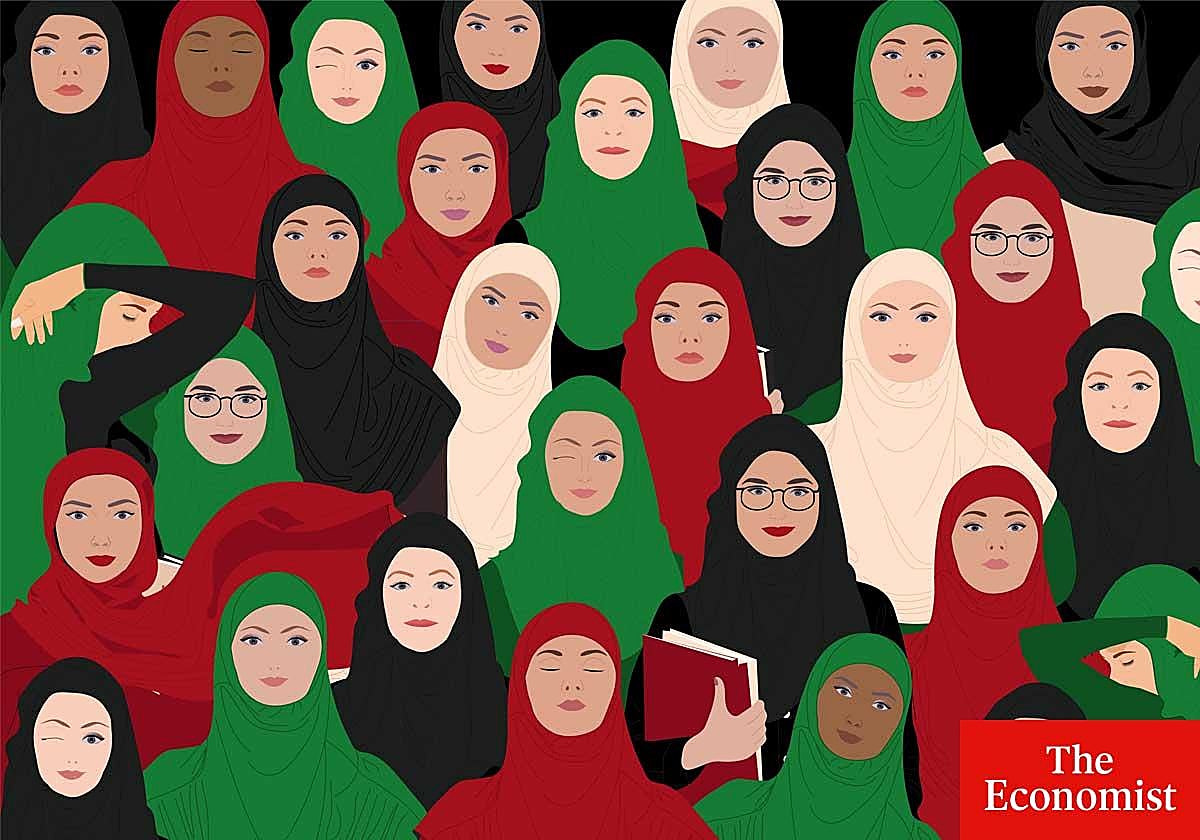
The United States military has conducted a second wave of strikes against Iranian targets within 48 hours following rising tensions in the Strait of Hormuz and attacks on American bases. Concurrently, Tehran appointed a hardline official to head its Supreme National Security Council, while Iranian women continue to defy mandatory hijab rules four years after Mahsa Amini's death.

In Yemen, heavy fighting resumed as Houthi forces killed 18 people in two days of strikes on the port of Moca, prompting government retaliatory bombardments in Marib province. Meanwhile, Afghanistan remains under Taliban control; despite relative internal security, the population faces severe economic hardship, poverty, and strict societal bans, including prohibitions on public music.

Sources: Canarias7, El Día, El Mundo, La Provincia, La Vanguardia

Read more
03
ContinuingAI-generated
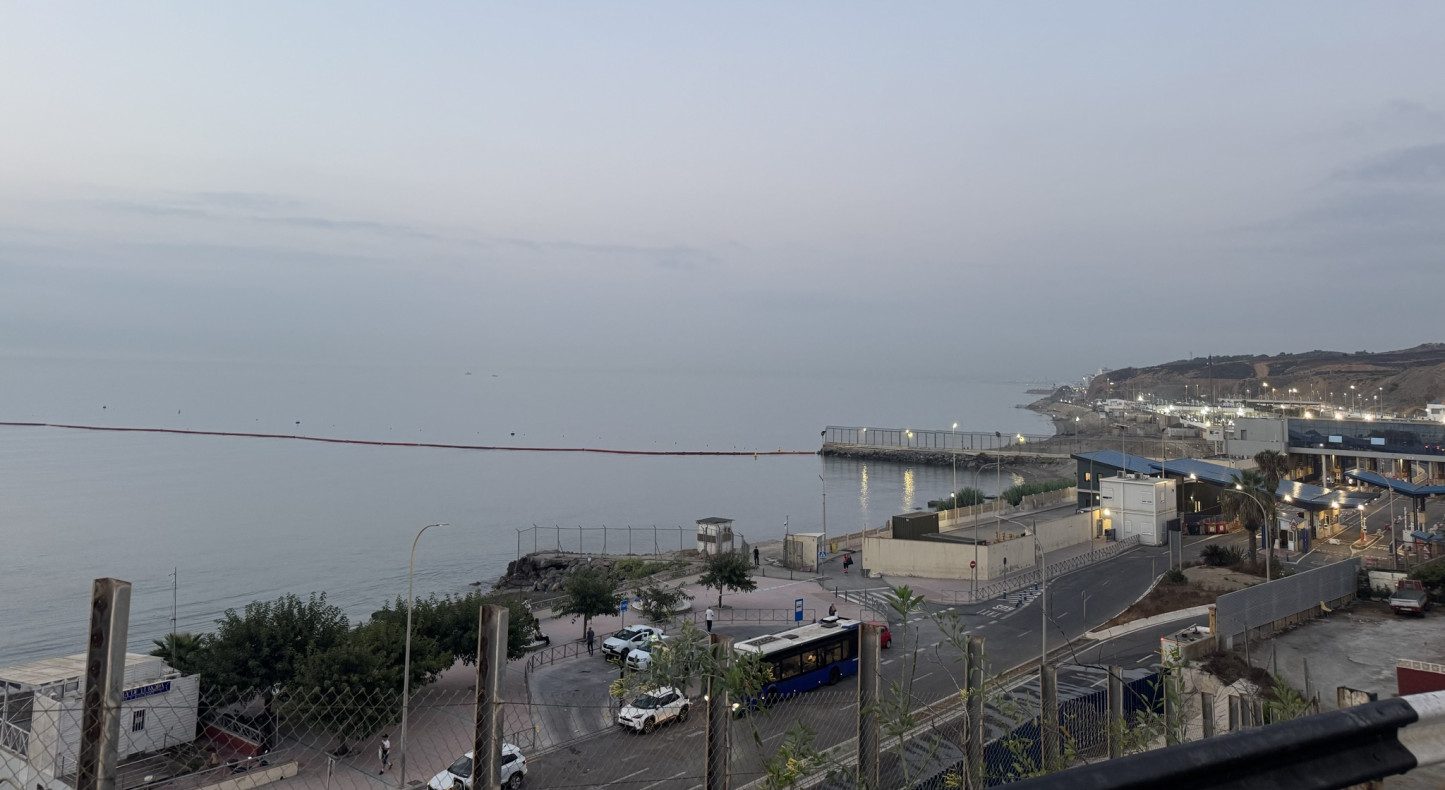
Spanish authorities set up temporary camps for migrants in Ceuta

Spanish authorities set up temporary camps for migrants in Ceuta

Spain has established temporary reception centers in Ceuta for roughly 1,800 remaining migrants following July's border influx, as local tensions persist.

Spanish authorities have established two temporary reception centers in Ceuta to provide shelter for approximately 1,800 migrants remaining in the North African enclave.

The measure follows a late July influx when an estimated 72,000 people crossed from Morocco, though the vast majority have since returned. Security forces from both nations reinforced border controls ahead of August 15 following online rumors of another organized crossing, which did not materialize. Despite calm along the perimeter, social friction persists among residents citing municipal strains and dissatisfaction with the government response.

Sources: Correctiv, Die Zeit, FAZ, ORF, Tagesschau.

Read more
04
ContinuingAI-generated
Iran sets conditions for reopening Strait of Hormuz amid military strikes

Iran sets conditions for reopening Strait of Hormuz amid military strikes

Tehran has outlined prerequisites to reopen the Strait of Hormuz as military actions between Iranian and US forces intensify.

Tehran has outlined conditions under which it might reopen the Strait of Hormuz following weeks of maritime disruption. According to official reports, Iran is demanding an end to the United States port blockade, the cessation of military operations, the lifting of oil sanctions, and the release of frozen assets. An Iranian official additionally indicated the strategic passage could reopen within seven days if Washington reduces military pressure and engages in mediated talks.

These diplomatic signals follow escalating military action. After American naval forces began escorting commercial oil tankers at night, Iranian forces deployed rocket-launched sea mines. United States forces responded by striking Iran's Larak Island, compounding fears of wider conflict.

Sources: Expresso, Expresso das Ilhas, RTP (Rádio e Televisão de Portugal)

Read more
Share