Top news

Sep 23, 2026, 02:00 AM UTC

← Latest news

01
ContinuingAI-generated
US strikes Iranian targets again as Middle East tensions escalate

US strikes Iranian targets again as Middle East tensions escalate

The US launched fresh strikes on Iran following clashes in the Strait of Hormuz, while fighting resumed in Yemen and Taliban rule continues in Afghanistan.

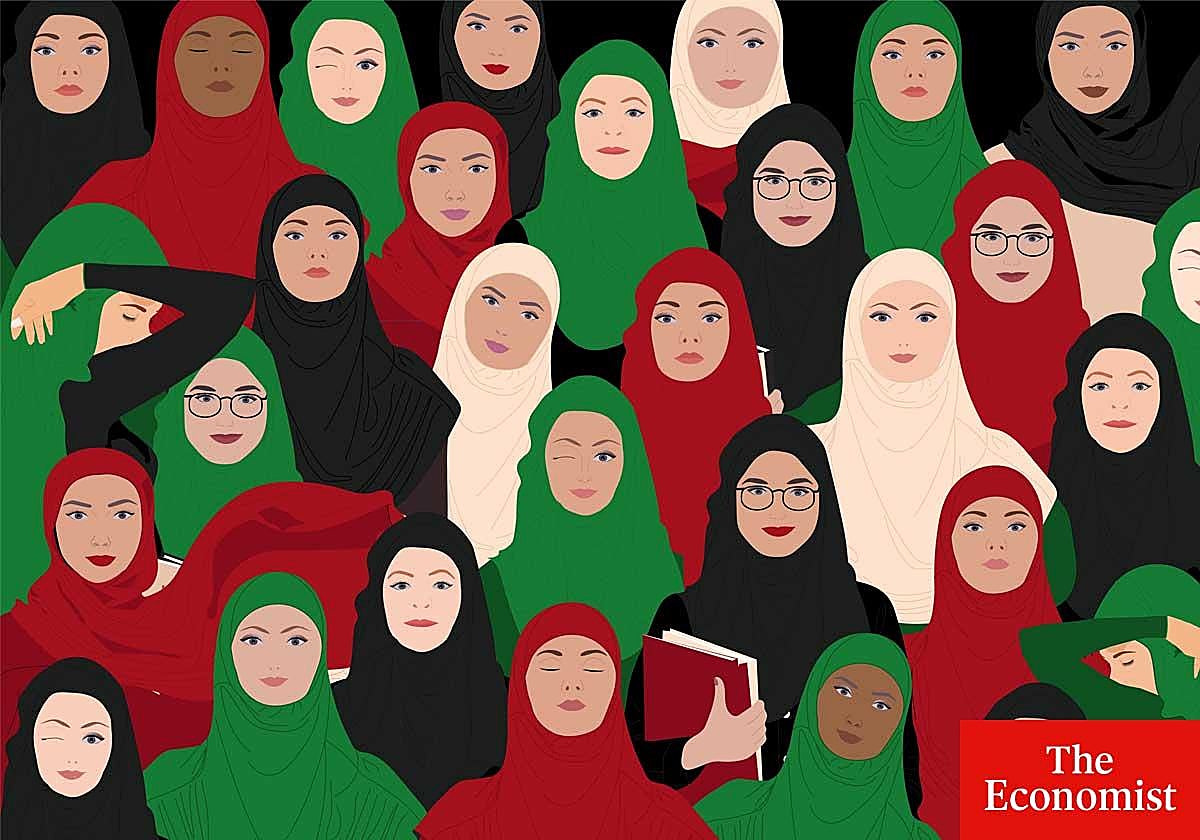
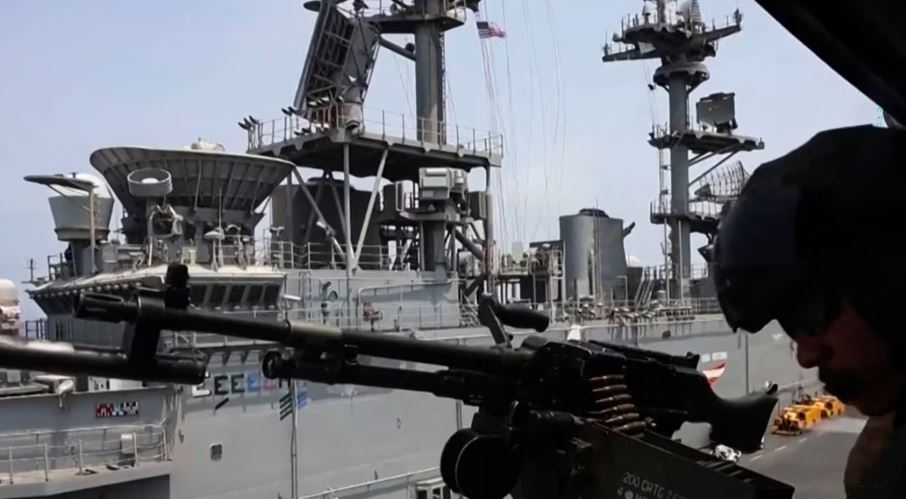
Military tensions across the Middle East intensified as the United States launched a second round of strikes against Iranian positions within 48 hours, following friction in the Strait of Hormuz and attacks on American bases. In response to growing confrontations, Tehran appointed a hardline official to lead its Supreme National Security Council. Meanwhile, internal civil defiance persists in Iran, where women continue to disregard mandatory hijab laws four years after Mahsa Amini's death.

Beyond Iran, regional violence flared in Yemen as Houthi strikes on the port of Moca killed 18 people, triggering military retaliations in Marib province. Concurrently, Afghanistan remains under Taliban rule, presenting relative public security alongside strict social prohibitions and widespread poverty.

Sources: Canarias7, El Día, El Mundo, La Provincia, La Vanguardia
Read more
02
ContinuingAI-generated
Geopolitical uncertainty persists six months after strikes on Iran

Geopolitical uncertainty persists six months after strikes on Iran

Six months after U.S. and Israeli strikes on Iran, analysts weigh diplomatic prospects and shifting global alliances from the Middle East to the Balkans.

Six months after joint U.S. and Israeli airstrikes targeted Iranian positions, international experts and analysts remain cautious about the trajectory of the Middle East conflict and wider global security dynamics. According to analysis cited across regional outlets, key factors including sanction longevity, diplomatic prospects, and strategic competition involving the United States, China, Russia, and Iran will shape the next phase of the confrontation.

Simultaneously, regional observers emphasize that localized European frictions, including debates over Kosovo's Ibër River, illustrate how broader realignments are impacting the global balance of power as international structures undergo significant strain.

Sources: BalkanWeb, Gazeta Tema, Koha

Read more
03
ContinuingAI-generated
Sweden's center-left bloc secures narrow general election victory

Sweden's center-left bloc secures narrow general election victory

Final vote tallies confirm a narrow majority for Sweden's center-left opposition, paving the way for Magdalena Andersson's return as prime minister.

Final election results in Sweden have confirmed a slim majority for the center-left opposition, paving the way for former Prime Minister Magdalena Andersson to return to power. Andersson's Social Democrats secured the largest share of parliamentary seats, unseating Prime Minister Ulf Kristersson's right-wing administration.

The incoming government now faces intricate coalition negotiations, particularly with the Left Party, which has conditioned its support on policy concessions. The election campaign concluded following intense debates surrounding economic performance, healthcare systems, and accusations regarding Russian influence linked to the far-right Sweden Democrats.

Despite the victory, the narrow margin leaves the prospective government with a delicate legislative path forward as regional political trends elsewhere in Europe continue to favor right-leaning parties.

Sources: La Vanguardia, NEXTA, Politico Europe (Defense), The Insider, The Local Sweden

Read more
04
ContinuingAI-generated
Czech Republic addresses hybrid threats and updates policies regarding Ukraine

Czech Republic addresses hybrid threats and updates policies regarding Ukraine

Czechia monitors Russian hybrid threats while domestic leaders navigate diplomatic visits to Kyiv, military summit clearances, labor agency fraud, and updated EU protection rules for Ukrainians.

Czech Prime Minister Andrej Babiš confirmed that national intelligence services are tracking Russian hybrid threats targeting nations assisting Ukraine, mirroring recent warnings from Polish Prime Minister Donald Tusk.

In diplomatic developments, Czech Parliamentary Deputy Speaker Barbora Urbanová traveled to Kyiv to hold discussions with Ukrainian lawmaker Olena Kondratiuk, despite a previous rejection of the trip by the parliamentary committee. Meanwhile, Czech Chief of General Staff Miroslav Hlaváč is awaiting authorization from the Defence Ministry to attend an upcoming summit of European military leaders in Ukraine.

Domestically, Czech authorities formed a specialized police unit, Kobra 26, to combat widespread labor agency fraud involving foreign workers that reportedly drains billions from state revenues. Additionally, updated European Union regulations prolong temporary protection status for displaced Ukrainians until March 2028, while making coverage contingent on individuals fulfilling their military service obligations toward Ukraine.

Sources: Deník N, Ekonomický deník, iROZHLAS, Respect, Seznam Zprávy

Read more
05
ContinuingAI-generated
Czech child protection cases reach two-decade high as EU proposes social media limits

Czech child protection cases reach two-decade high as EU proposes social media limits

Czech authorities recorded over 10,000 child abuse cases past year as the government expands preschools and the EU considers social media restrictions for minors.

Czech child protection services logged a record high in child abuse, neglect, and exploitation cases over the past year, exceeding 10,000 recorded instances. Authorities removed 3,616 children from families, representing a year-on-year increase of 300. Experts debate whether the surge reflects heightened public awareness or deepening social insecurity, while warning that official figures represent only a fraction of actual cases.

Concurrently, the Ministry of Labour and Social Affairs is completing a seven-billion-koruna expansion of preschool facilities under the EU National Recovery Plan. Critics contend the rollout lacks adequate quality benchmarks and preventive social support.

Meanwhile, the European Commission introduced the "EU KIDS Act" proposal, seeking to ban social media access for children under 13 and restrict unmonitored accounts for minors under 15 across member states.

Sources: Deník N, Hospodářské noviny, iROZHLAS, Respect, Seznam Zprávy

Read more
Share