Top news

Sep 22, 2026, 05:00 PM UTC

← Latest news

01
ContinuingAI-generated
CIA Director John Ratcliffe makes unannounced visit to Moscow

CIA Director John Ratcliffe makes unannounced visit to Moscow

CIA Director John Ratcliffe made an unannounced visit to Moscow to warn Russia against removing Volodymyr Zelenskyy or executing a total takeover of Ukraine.

Central Intelligence Agency Director John Ratcliffe recently conducted an unannounced visit to Moscow to outline strategic boundaries regarding the conflict in Ukraine. According to reports, Washington delivered an explicit warning to Russian officials against attempting to remove Ukrainian President Volodymyr Zelenskyy from power or pursuing a total military takeover of the nation.

With standard diplomatic avenues severely strained, intelligence leaders have taken on primary roles as covert envoys between the two powers. The unpublicized discussions highlight a broader push by Washington to prevent unwanted escalation, manage strategic communication, and establish clear red lines with the Kremlin as military engagements persist across Eastern Europe.

Sources: G4Media.
Read more
02
ContinuingAI-generated
Chechen paramilitary networks target exiled dissidents across Europe, security agencies warn

Chechen paramilitary networks target exiled dissidents across Europe, security agencies warn

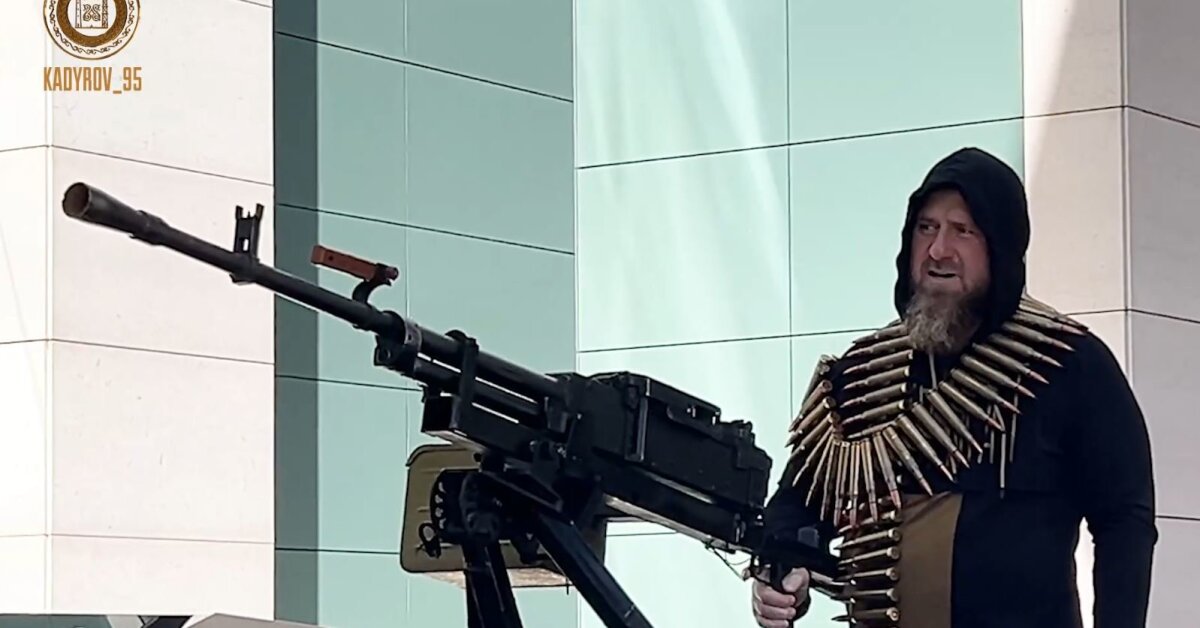
European security agencies continue monitoring Chechen paramilitary structures linked to Ramzan Kadyrov after violent attacks on dissidents across Europe.

European security agencies are maintaining heightened oversight of paramilitary structures linked to Chechen leader Ramzan Kadyrov, following a series of violent attacks against exiled dissidents across the continent.

The armed force, which originated as a personal security detail for former Chechen leader Akhmat Kadyrov in 2000, has expanded its operational footprint far beyond Russia's borders. Law enforcement officials across European Union states have linked these networks to targeted assassinations, physical assaults, and campaigns of intimidation aimed at Chechen political critics residing in nations including Austria, Sweden, and Poland.

Intelligence services assess that these transnational operations represent an ongoing security risk to European domestic stability.

Sources: 15min.

Read more
03
ContinuingAI-generated
Iran adopts offensive strategy as US peace negotiations collapse

Iran adopts offensive strategy as US peace negotiations collapse

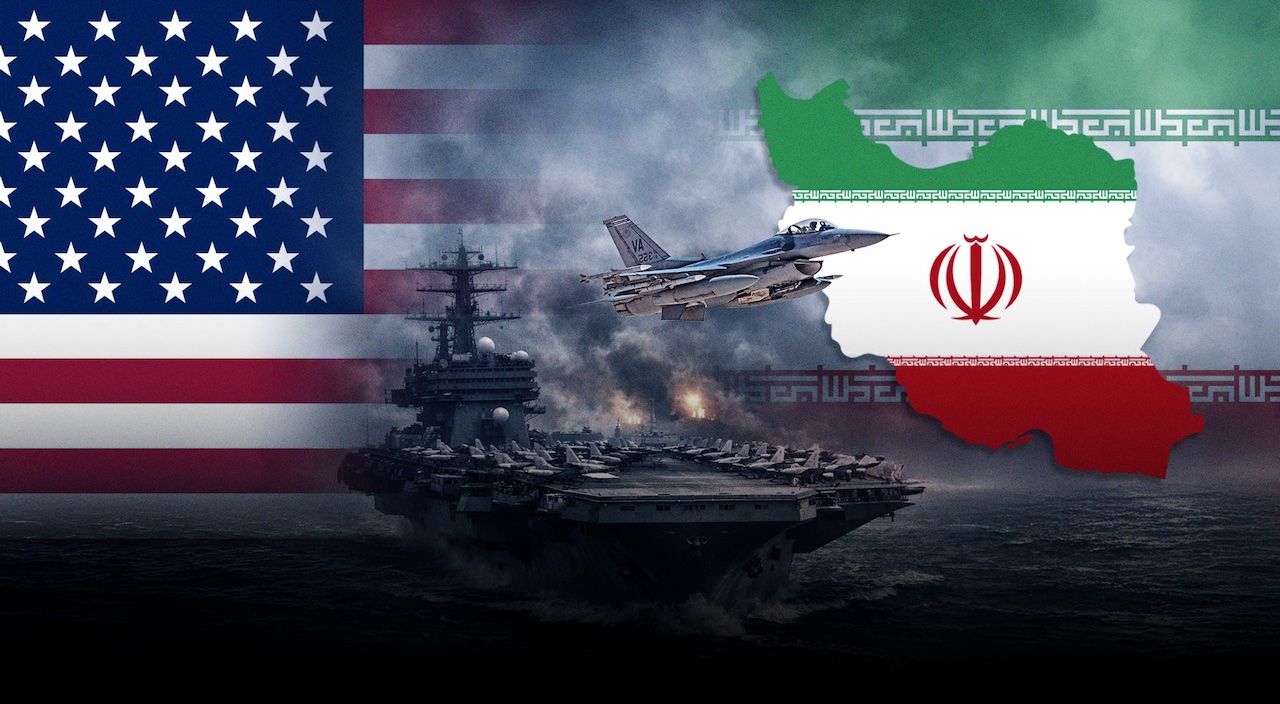
Iran has adopted a fully offensive military strategy following the collapse of peace talks and the expiration of a 60-day truce with the United States.

Tensions between Washington and Tehran have escalated after a 60-day temporary truce memorandum expired without a permanent peace agreement. Iranian military leadership announced a shift to a "completely offensive" strategy, declaring they will not yield until achieving the "complete defeat" of US forces in the region and restoring national rights. Washington confirmed it has no plans to extend the ceasefire.

The diplomatic failure coincided with direct military engagements. US Central Command confirmed striking five Iranian oil tankers, sinking one, after Iranian forces launched attacks against an American warship. Analysts warn that maritime clashes near the strategic Strait of Hormuz, coupled with mounting economic pressures on Tehran, heighten the risk of a wider regional war.

Sources: Adevărul, Digi24, HotNews, Moldova1, Ziarul de Gardă.

Read more
04
ContinuingAI-generated
EU efforts to phase out US defense tech face industry pushback

EU efforts to phase out US defense tech face industry pushback

European efforts to reduce reliance on US defense technology face industry warnings over military readiness, while US arms delivery delays create further operational strains.

European efforts to reduce reliance on American defense technology face mounting scrutiny from industry leaders who warn that excluding US components could compromise military capabilities, increase cyber vulnerabilities, and hinder NATO interoperability. The drive toward strategic autonomy has gained momentum in Brussels following disagreements with Washington over trade tariffs, alliance commitments, and aid to Ukraine.

Simultaneously, European armed forces face operational pressures on the eastern flank, where cheap drones costing roughly €10,000 are routinely engaged with interceptor missiles priced at up to €1 million. These tactical cost imbalances are exacerbated by anticipated delays in American arms deliveries. As Washington prioritizes replenishing its own domestic stockpiles—particularly Patriot air defense interceptors—allied nations face extended disruptions to incoming defense orders.

Sources: Belsat, NEXTA, Point, The Insider

Read more
05
ContinuingAI-generated
US midterm elections impact Washington policy on Iran and Ukraine

US midterm elections impact Washington policy on Iran and Ukraine

Approaching US midterm elections are shaping foreign policy decisions, affecting White House strategies on Iran and future aid to Ukraine.

Upcoming US midterm elections are increasingly influencing Washington's foreign policy calculus. Advisers to President Donald Trump are reportedly urging restraint regarding military escalation with Iran, fearing a broader conflict could trigger heavy Republican losses in November.

Concurrently, Ukrainian observers caution that a shifting balance of power in Congress could diminish US engagement abroad. Former diplomat Valeriy Chaly noted that if Republicans lose control of both legislative chambers, domestic political battles will likely absorb Washington's attention, shifting focus away from Ukraine.

During a visit to Kyiv, a congressional delegation pledged sustained backing, emphasizing that "Ukraine must sit at the negotiating table with a strong position." However, lawmakers conceded that partisan disputes continue to stall key legislation, including sanctions against Russia.

Sources: NV, Liga net, Українська правда, Радіо Свобода.

Read more
Share