Top news

Sep 22, 2026, 05:30 AM UTC

← Latest news

01
ContinuingAI-generated
Slovenian football figures offer insights into domestic league and career moves

Slovenian football figures offer insights into domestic league and career moves

Aleš Čeh and Jan Mlakar reflect on their careers and assess the competitive dynamics within Slovenia's PrvaLiga.

Former Slovenia national team captain Aleš Čeh and striker Jan Mlakar have shared perspectives on their career trajectories and the current state of Slovenian football.

Čeh, who served as an assistant coach to Srečko Katanec for over a decade including seven years in Asia, discussed his affection for Olimpija Ljubljana and Austrian club Grazer AK alongside his respect for NK Maribor. Meanwhile, 27-year-old forward Mlakar detailed his third spell with Maribor, expressing confidence in the club's leadership under Zlatko Zahović and Darko Milanič. Commenting on the competitive balance in the PrvaLiga, Mlakar noted that while rival side Olimpija Ljubljana faces a challenging period, upcoming derby fixtures remain unpredictable as struggling teams can use high-stakes matches to reverse their momentum.

Sources: Delo, Siol.net

Read more
02
ContinuingAI-generated
Russian and Ukrainian strikes continue as US envoys arrive for peace talks

Russian and Ukrainian strikes continue as US envoys arrive for peace talks

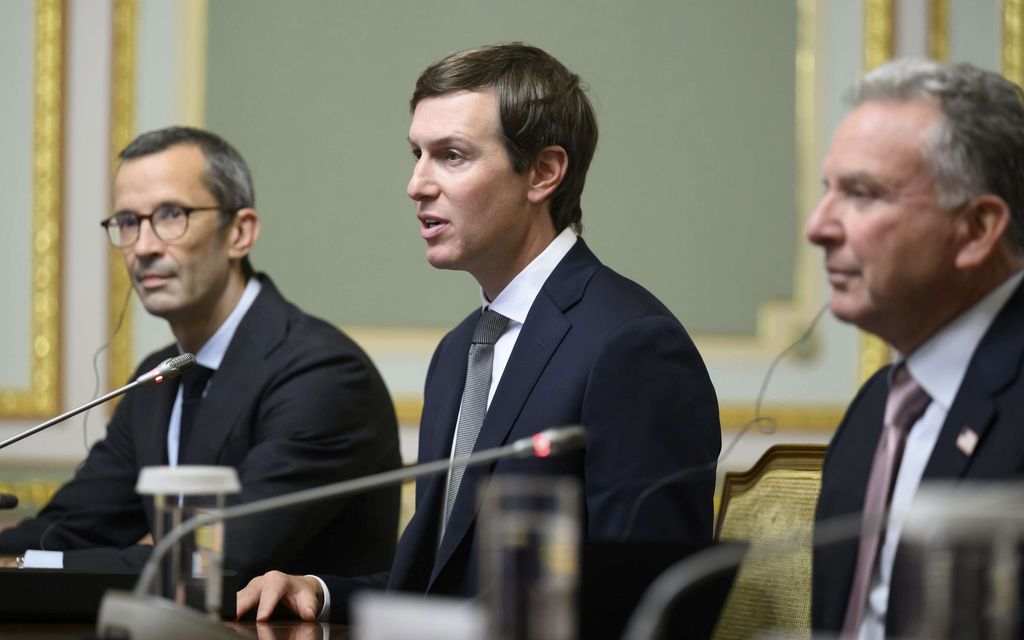
Cross-border attacks between Russian and Ukrainian forces persisted overnight despite planned peace talks with US envoys Steve Witkoff and Jared Kushner.

Military exchanges between Ukrainian and Russian forces persisted overnight despite incoming visits by US envoys Steve Witkoff and Jared Kushner. Strikes caused casualties across Ukraine's Kherson and Zaporizhzhia regions, while drone activity was recorded in Russia's Belgorod region and Sochi.

Meanwhile, reports indicated select Ukrainian frontline brigades received orders to observe a temporary four-day combat pause during negotiations. The attacks follow claims by US President Donald Trump that both nations agreed to halt strikes on energy infrastructure. Ukrainian President Volodymyr Zelensky specified that Kyiv would comply only if Western partners guarantee Russian compliance. Additionally, European Union officials condemned a Russian strike near the Polish border as an attempt to intimidate European allies.

Sources: Beta, CDM, Index, N1, Vijesti

Read more
03
ContinuingAI-generated
Russian drone targets Warsaw-bound train as US envoy sparks outrage in Kyiv

Russian drone targets Warsaw-bound train as US envoy sparks outrage in Kyiv

A Russian drone strike on a Poland-bound train and controversial comments by a US envoy on territorial concessions have heightened military and diplomatic tensions.

A Russian drone strike recently struck a passenger train traveling from Ukraine toward Warsaw, prompting Polish leadership to declare that Russian escalation "has become a reality." The attack on an international passenger route brings hostilities closer to NATO's border, heightening regional security concerns.

Concurrently, diplomatic friction intensified after remarks by a US special envoy drew confusion and dismay in Kyiv. The envoy asserted that peace could be achieved if Ukraine met Russia's territorial demands, claiming Moscow is "saying the right things." Ukrainian officials expressed bewilderment over the statement, which contrasts sharply with Western diplomatic positions demanding the preservation of Ukrainian sovereignty.

Sources: Iltalehti

Read more
04
ContinuingAI-generated
Global energy and shipping face ongoing strain six months after strikes on Iran

Global energy and shipping face ongoing strain six months after strikes on Iran

Six months after US and Israeli airstrikes on Iran, energy markets and shipping lanes remain disrupted as experts weigh diplomatic options and shifting global power dynamics.

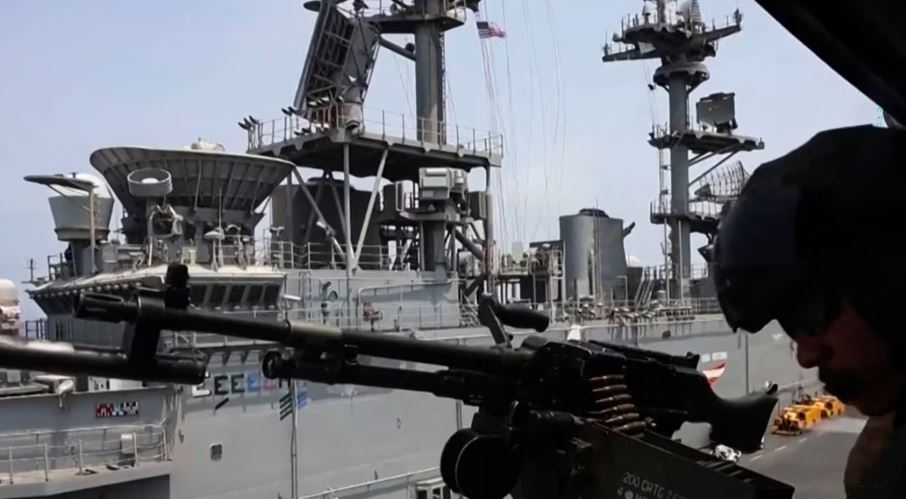
Six months after American and Israeli airstrikes targeted Iran, global energy markets and maritime trade routes continue to experience disruption with no immediate resolution in sight. Although Iranian military capabilities suffered extensive damage during the strikes, Tehran continues to exercise strategic control over the vital Strait of Hormuz.

Foreign policy analysts note that the conflict's future trajectory will largely depend on the longevity of Western sanctions, prospective diplomatic initiatives, and shifting competition among the United States, China, Russia, and Iran. Concurrently, regional observers emphasize that localized friction, such as disputes over the Ibër River's diversion, underscores broader realignments in the global power balance as international hegemony faces ongoing challenges.

Sources: BalkanWeb, Gazeta Tema, Koha

Read more
Share