Top news

Sep 22, 2026, 04:30 AM UTC

← Latest news

01
ContinuingAI-generated
Ukrainian forces push near Kupiansk as heavy fighting continues across eastern sectors

Ukrainian forces push near Kupiansk as heavy fighting continues across eastern sectors

Ukrainian troops advance near Kupiansk amid over 250 daily engagements across the eastern front, while Russian strikes cause civilian deaths in Kyiv and Kherson regions.

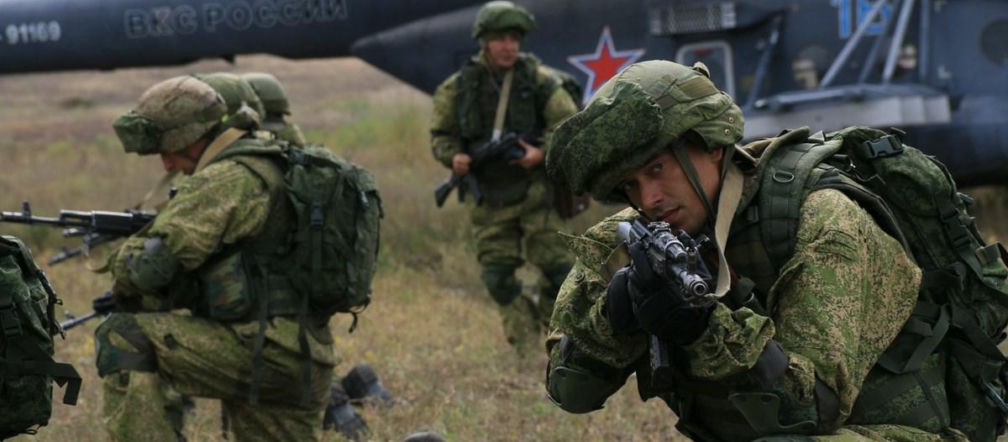
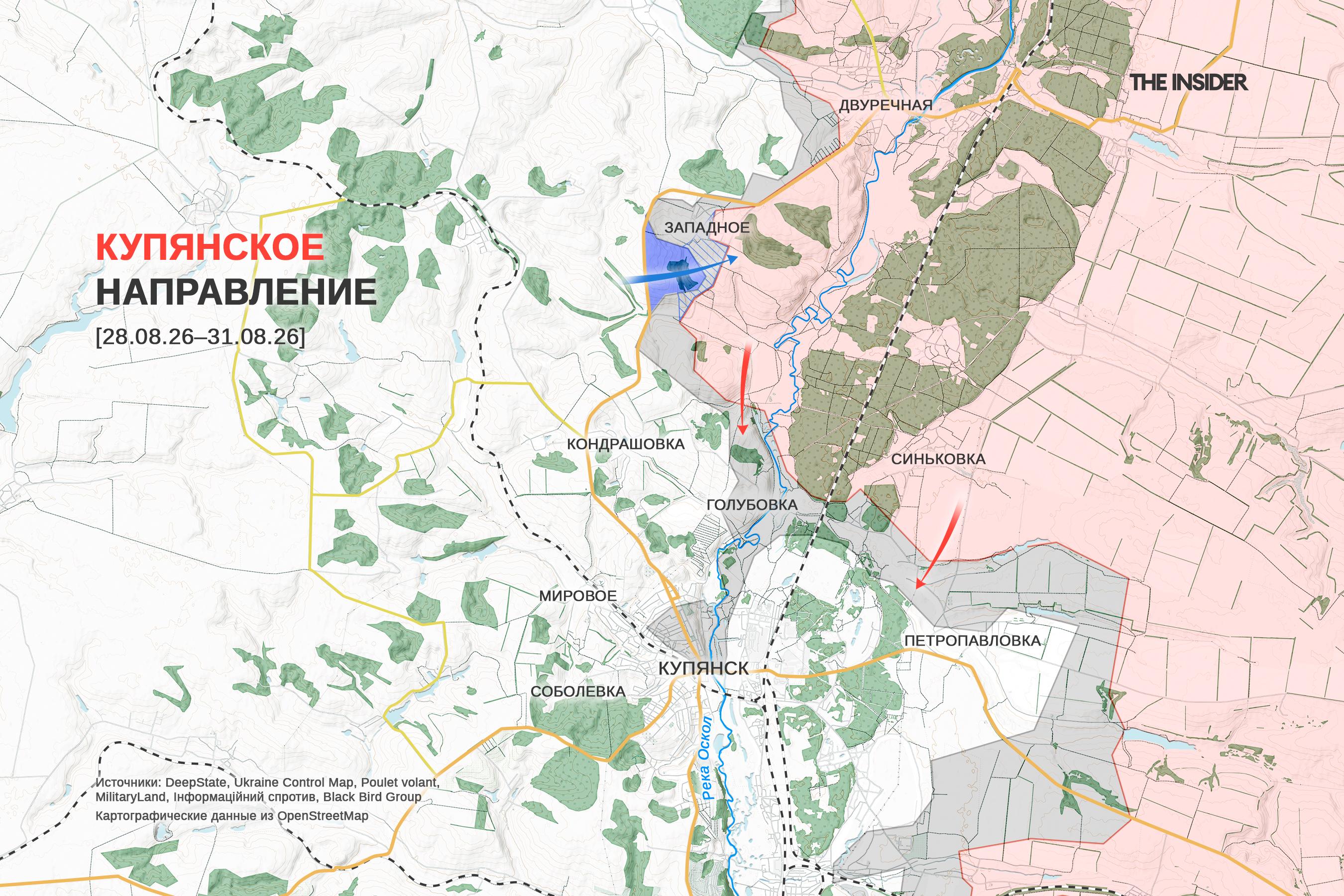
Ukrainian forces have expanded operations north of Kupiansk along the Oskil River, conducting infantry clearing operations after suppressing Russian drone capabilities, according to recent combat reports and analysts. Simultaneously, intense fighting persists along the eastern front, with the Ukrainian General Staff reporting over 250 combat engagements within a 24-hour period, centered around the Pokrovsk, Lyman, and Kostiantynivka sectors.

Territorial claims remain contested along peripheral axes. Russian military officials claimed gains near Sumy, while Chief of General Staff Valery Gerasimov publicly rejected reports of Ukrainian progress in Zaporizhzhia. Conversely, Ukrainian operations near Lyman reportedly aimed to solidify control over significant territory.

Beyond frontline actions, Russian aerial attacks continued across multiple regions. Overnight strikes involving dozens of drones resulted in civilian fatalities, including a mother and two children in the Kyiv region and a clergyman in Kherson Oblast.

Sources: NV, Point, Radio Svoboda, The Insider, Ukrainska Pravda.

Read more
02
ContinuingAI-generated
Ukrainian agricultural sector faces survival struggle near frontline

Ukrainian agricultural sector faces survival struggle near frontline

Ukrainian farmers near the frontline are resorting to personal firearms to defend their crops and equipment against persistent Russian drone attacks.

Agricultural operations near Ukraine's frontline are facing severe disruptions as farmers resort to armed defense to protect their land and machinery. Viktor Hordienko, a former international grain export coordinator who previously managed global shipping logistics, now actively defends his farm against Russian drone raids using personal firearms.

The ongoing war has forced agricultural workers along active combat zones to adapt to constant aerial threats while striving to maintain critical food production and exports. Hordienko's shift from managing global trade negotiations to physically defending his farm underscores the extreme dangers confronting Ukraine's agrarian sector. Sustaining these farming operations remains vital for local food security and regional economic resilience amid persistent military activity.

Sources: LSM.

Read more
03
ContinuingAI-generated
Ukraine expands domestic arms output amid ballistic missile threat

Ukraine expands domestic arms output amid ballistic missile threat

Ukraine is ramping up domestic production of missiles and glide bombs to counter Russian attacks, but faces years of vulnerability due to defense manufacturing delays.

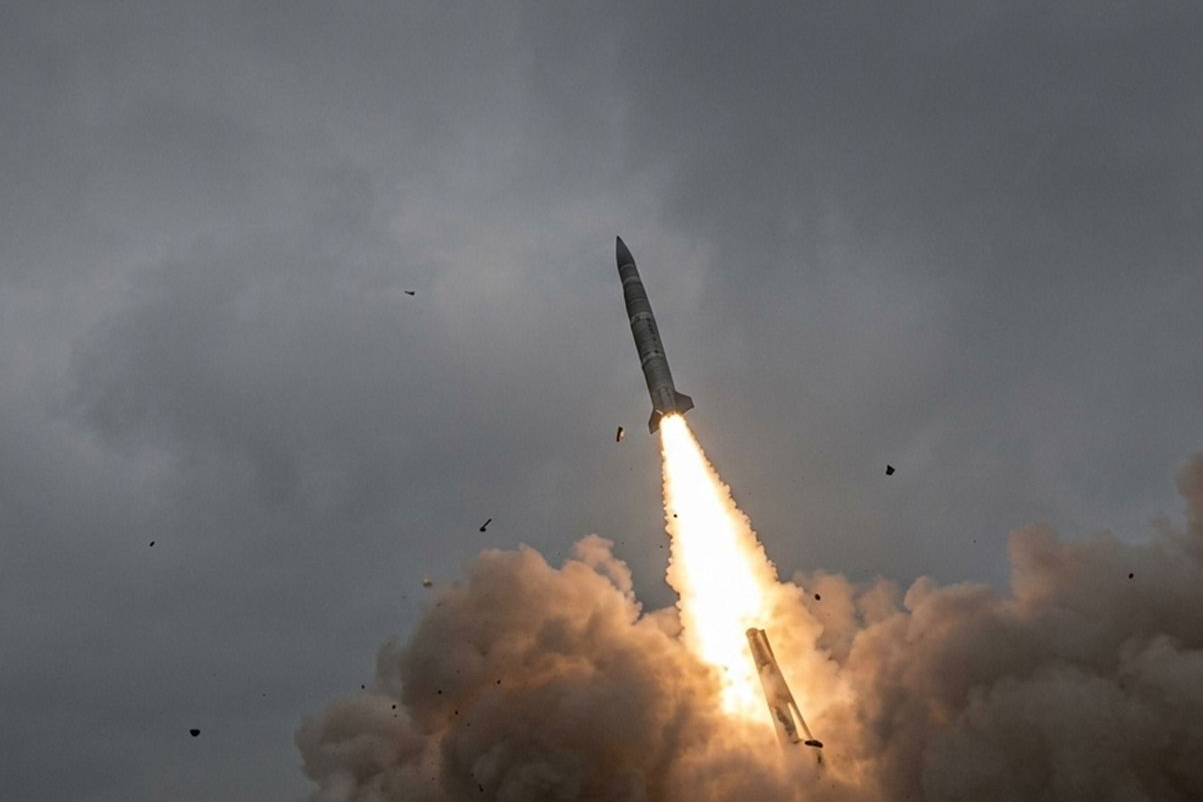
Ukraine is accelerating domestic arms development to counter intensifying Russian ballistic strikes and reduce dependence on foreign military aid. President Volodymyr Zelenskyy confirmed that two domestic companies are working on ballistic missiles, though technical challenges delay mass production. Meanwhile, efforts to manufacture U.S.-designed Patriot air defense systems locally face bureaucratic licensing delays that could take up to several years to resolve.

To address immediate capability gaps, Ukrainian forces are procuring the locally produced "Equalizer" precision glide bomb module. The system converts conventional bombs into long-range precision munitions for combat aircraft including MiG-29s and Su-24s. However, military analysts warn that Ukraine remains exposed to a multi-year window of vulnerability against incoming ballistic threats while domestic defense manufacturing scales up.

Sources: NEXTA, NV, Point, The Insider, Українська правда.

Read more
04
ContinuingAI-generated
Finnish president dismisses Russian attack timeline as Baltic security concerns persist

Finnish president dismisses Russian attack timeline as Baltic security concerns persist

Finnish President Alexander Stubb sees no evidence Russia will attack NATO by 2029, while experts warn of rising hybrid threats and Baltic provocations.

Finnish President Alexander Stubb has dismissed warnings from Berlin that Russia could launch a military strike against NATO territory by 2029, stating there are "neither facts nor evidence" to support such projections. While reiterating that Moscow is unlikely to directly challenge the alliance, Stubb emphasized that member states must remain fully prepared for worst-case scenarios.

Meanwhile, regional defense experts highlight escalating non-conventional threats across the Baltic Sea area. Polish military analyst Col. Maciej Korowaj cautioned that Russian forces are actively mapping NATO's defensive response mechanisms to update operational plans for provocations, identifying the upcoming autumn as a critical risk period. In response to heightened espionage and hybrid activities, Baltic and Nordic nations are continuing to intensify joint intelligence sharing and regional defense coordination.

Sources: Defence24, Portal obronny, Rzeczpospolita, TVP info

Read more
05
ContinuingAI-generated
Iran conditions opening of Strait of Hormuz on end to US sanctions

Iran conditions opening of Strait of Hormuz on end to US sanctions

Iran states the Strait of Hormuz will remain closed until the US lifts sanctions, unfreezes assets, and halts military operations following recent naval clashes.

Tensions in the Middle East have escalated following a major US military operation to escort crude oil tankers through the Strait of Hormuz. US forces deployed air, sea, and space assets to facilitate the transport, marking the largest crude shipment through the corridor since the conflict began.

Iran responded by launching rocket-propelled sea mines into the strategic waterway, prompting US airstrikes against Iranian facilities on Larak Island. Iranian officials subsequently declared that the passage "will not be opened" unless Washington fulfills specific demands. Tehran's memorandum requires lifting the US blockade on Iranian ports, suspending oil sanctions, unfreezing national assets, and ending military operations on all fronts.

Prior to the outbreak of hostilties, approximately 20 million barrels of crude oil passed through the strait daily.

Sources: Expresso, Expresso das Ilhas, RTP (Rádio e Televisão de Portugal)

Read more
Share