Top news

Sep 22, 2026, 01:00 AM UTC

← Latest news

01
ContinuingAI-generated
Former Slovenian captain Čeh and striker Mlakar evaluate domestic football landscape

Former Slovenian captain Čeh and striker Mlakar evaluate domestic football landscape

Former Slovenian national team figures Aleš Čeh and Jan Mlakar shared insights on domestic football dynamics and rivalries.

Former Slovenia national team captain Aleš Čeh and forward Jan Mlakar have provided updates on their respective careers and offered assessments of Slovenian domestic football.

Čeh, who previously served as an assistant coach under Srečko Katanec for over a decade—including a seven-year stint in Asia—reaffirmed his strong ties to Olimpija Ljubljana and Austrian club Grazer AK, while expressing respect for rival side NK Maribor.

Meanwhile, 27-year-old striker Mlakar addressed his third stint with NK Maribor. Commenting on the competitive balance in the PrvaLiga, Mlakar noted that rival club Olimpija Ljubljana is currently navigating a period of crisis. However, he emphasized that upcoming derby matches remain volatile, as struggling teams can leverage high-profile fixtures to reset their performance trajectory.

Sources: Delo, Siol.net

Read more
02
ContinuingAI-generated
Nordic reports highlight Russia's strategic constraints and growing European security concerns

Nordic reports highlight Russia's strategic constraints and growing European security concerns

Nordic media reports outline Russia's shrinking strategic options, escalating hybrid actions, and heightened Kremlin rhetoric against NATO members.

Nordic media coverage indicates that Russia faces narrowing strategic options despite its continued ability to wage war against Ukraine. Ukrainian strikes targeting Russian military infrastructure have increasingly hit airbases once considered safe, diminishing Moscow's combat capacity and bringing the conflict deeper into domestic territory.

At the same time, Kremlin officials have intensified rhetoric against European nations, directing accusations of "statsterrorisme" toward Norway following NATO exercises and the seizure of a Russian vessel. Security services across northern Europe also report a rise in suspected Russian hybrid tactics, including sabotage plots and drone operations targeting critical infrastructure in Denmark and Germany. Security analysts suggest that while European policy objectives effectively require a Russian military defeat in Ukraine, western governments should maintain a measured response to Kremlin provocations.

Sources: Aftenposten, Berlingske, Dagens Næringsliv (DN), Finansavisen, TV 2 Nyheter

Read more
03
ContinuingAI-generated
Iran demands end to US sanctions as Strait of Hormuz conflict escalates

Iran demands end to US sanctions as Strait of Hormuz conflict escalates

Tehran has declared the Strait of Hormuz will remain closed until Washington lifts sanctions and halts military operations, following a surge in US-Iran clashes.

Following a major US naval operation escorting crude oil through the Strait of Hormuz, Iranian forces retaliated by deploying rocket-launched sea mines, prompting retaliatory American airstrikes on Larak Island. In response to the military confrontation, Iranian authorities declared that the strategic waterway "will not be opened" until Washington complies with conditions set out in an official memorandum.

Tehran's demands include lifting the American blockade on Iranian ports, suspending oil sanctions, unfreezing national assets, and halting military operations across all fronts. Prior to the conflict, approximately 20 million barrels of crude passed through the transit corridor daily. Analysts warn that both nations face a narrowing timeframe to exert pressure, raising concerns over further regional instability.

Sources: Expresso, Expresso das Ilhas, RTP (Rádio e Televisão de Portugal)

Read more
04
ContinuingAI-generated
Events of 1989 shaped contemporary global order, historians argue

Events of 1989 shaped contemporary global order, historians argue

Historical analysis indicates that concurrent events in 1989, including the fall of the Berlin Wall and developments in Asia, established the framework for 21st-century global dynamics.

The historical events of 1989 continue to dictate modern global geopolitics, serving as a critical threshold for international relations in the 21st century. While Western nations focus heavily on the fall of the Berlin Wall and the collapse of Eastern Bloc communist regimes, concurrent developments in Asia established structural shifts with lasting worldwide impacts.

In East Asia, Beijing's suppression of pro-democracy demonstrations in Tiananmen Square consolidated single-party control while facilitating rapid, state-led capitalist growth. Concurrently, the withdrawal of Soviet troops from Afghanistan left a power vacuum that precipitated decades of regional instability. Historical analysts maintain that present-day strategic rivalries between Western democracies and Eastern powers are directly rooted in these pivotal occurrences from late twentieth-century history.

Sources: Die Presse

Read more
05
ContinuingAI-generated
Eastern German political debates intensify over school curricula and cultural funding

Eastern German political debates intensify over school curricula and cultural funding

Political debates in eastern Germany focus on democratic education, East German history, and proposals to cut cultural funding ahead of state elections.

Political debates surrounding education, historical memory, and cultural policy have intensified across eastern Germany ahead of upcoming state elections.

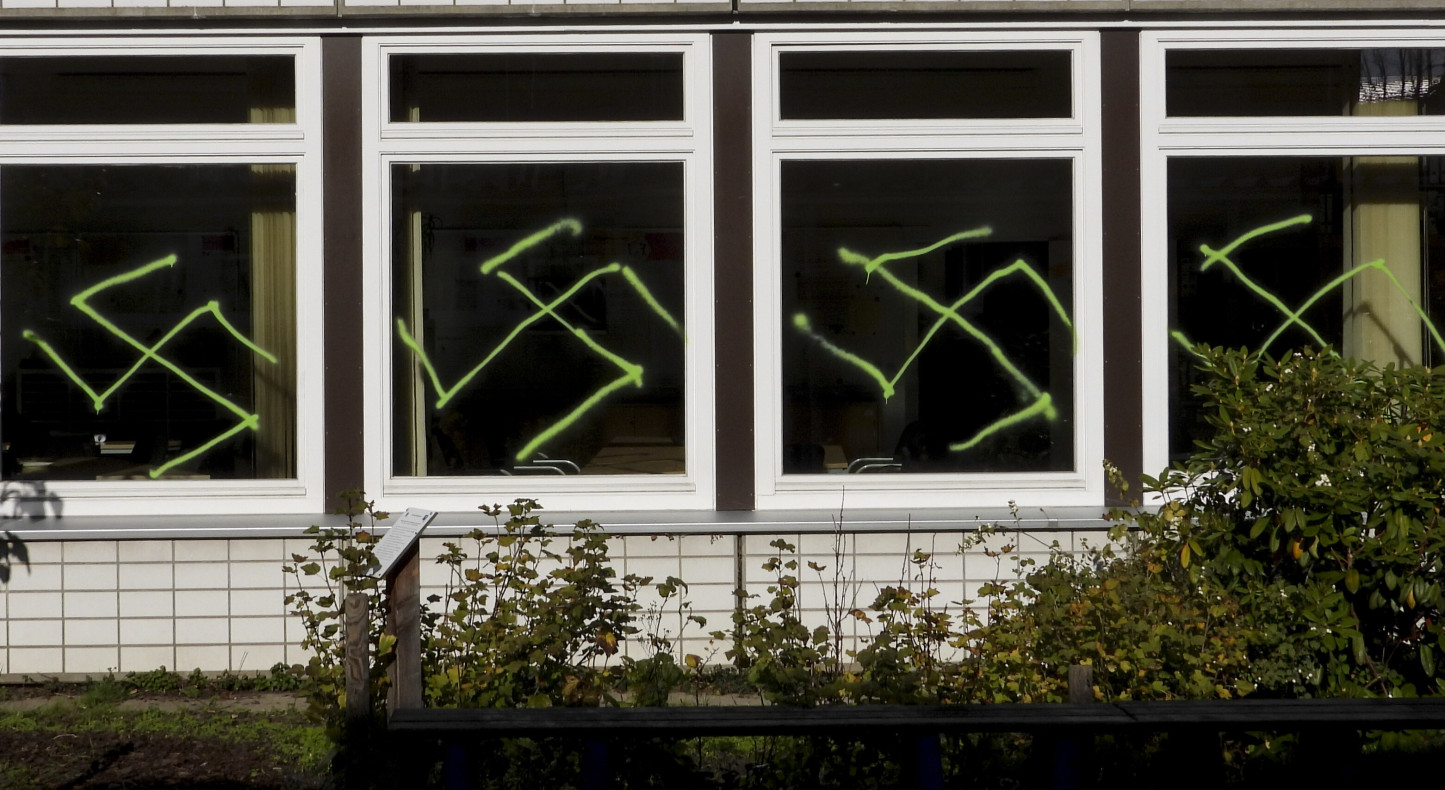
Educators in eastern schools have reported a rise in far-right symbols and rhetoric among students. In response, Thuringia’s education ministry partnered with the University of Jena to introduce "constitutional coaches" tasked with assisting schools against anti-democratic trends. Simultaneously, Evelyn Zupke, the federal commissioner for victims of the communist dictatorship, advocated for mandatory student visits to East German memorial sites alongside expanded classroom instruction on the region's history.

Meanwhile, cultural policy has drawn scrutiny after the Alternative for Germany (AfD) proposed defunding initiatives deemed "anti-German" in Saxony-Anhalt. Observers warn the plan could jeopardize financial support for Bauhaus sites, Holocaust memorials, and regional theaters.

Sources: Correctiv, Der Spiegel, DW, FAZ, Tagesschau.

Read more
Share