Top news

Sep 21, 2026, 11:00 PM UTC

← Latest news

01
ContinuingAI-generated
Ukraine advances domestic missile projects amid vulnerability to Russian strikes

Ukraine advances domestic missile projects amid vulnerability to Russian strikes

Ukraine is developing domestic ballistic missiles and precision glide bombs to counter Russian strikes, though production delays leave lingering air defense gaps.

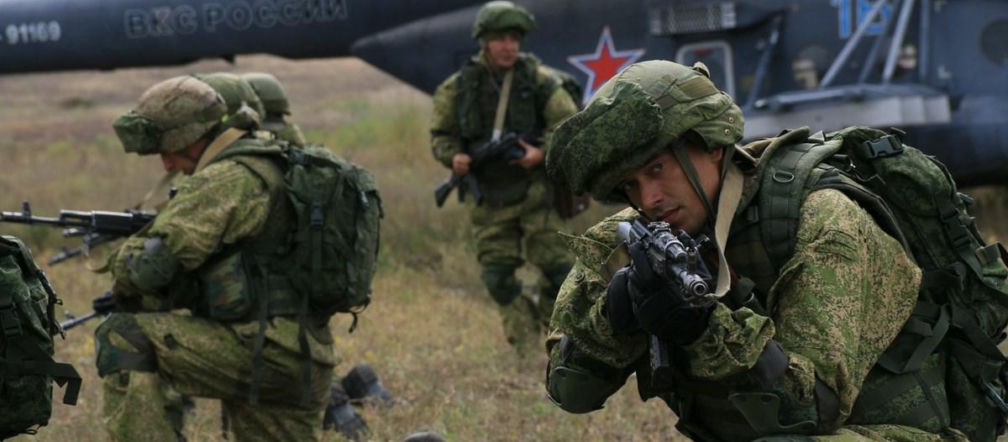
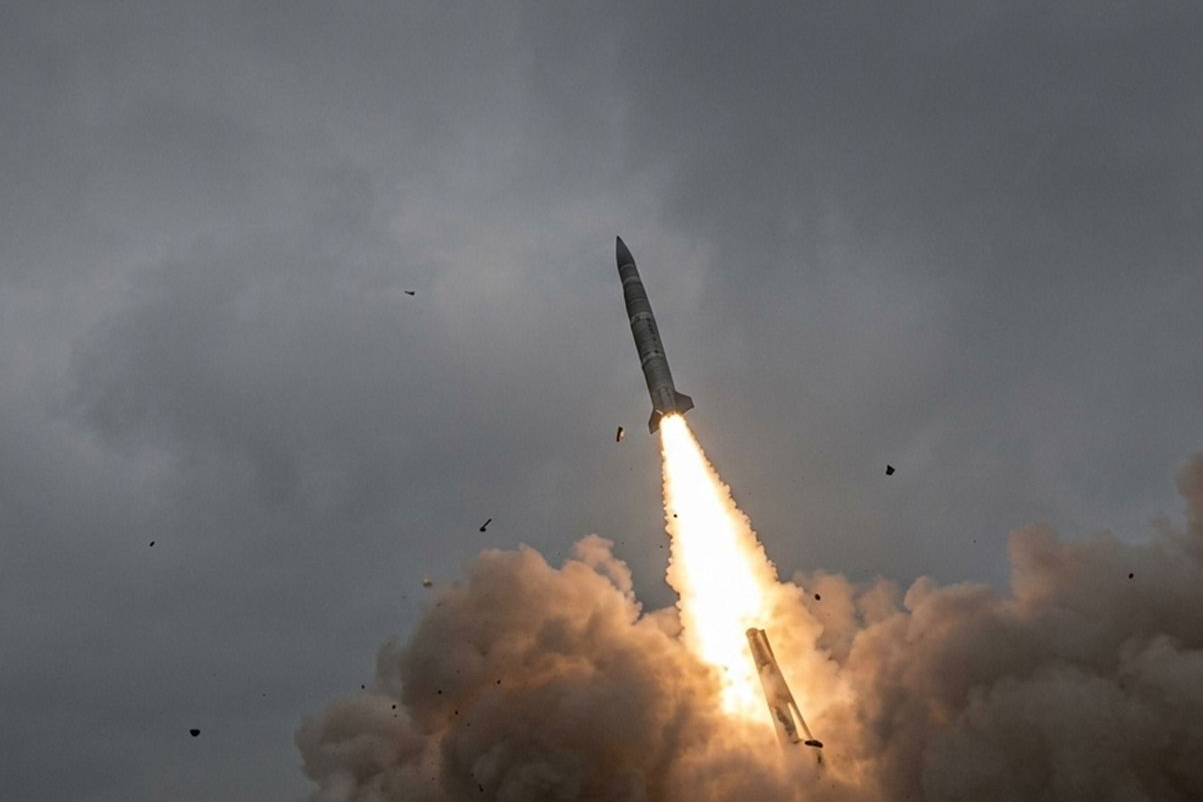
Ukraine is accelerating domestic arms development to counter intensifying Russian ballistic attacks and lower its reliance on foreign military aid. President Volodymyr Zelenskyy confirmed that two local firms are developing ballistic missiles, though technical challenges currently prevent immediate mass production. Additionally, local manufacturing of U.S.-designed Patriot air defense systems remains hindered by bureaucratic licensing delays, which could take up to several years to resolve.

To bridge immediate defense gaps, Ukraine is procuring the locally developed "Equalizer" precision glide bomb module for its combat aircraft. However, defense analysts warn that Ukraine faces a multi-year period of severe vulnerability against incoming Russian ballistic missiles while domestic production scales up.

Sources: NEXTA, NV, Point, The Insider, Українська правда.
Read more
02
ContinuingAI-generated
Clashes intensify across Ukrainian frontlines as Russian drone strikes cause civilian deaths

Clashes intensify across Ukrainian frontlines as Russian drone strikes cause civilian deaths

Heavy frontline fighting continues across Ukraine with over 250 engagements reported, alongside fatal Russian drone strikes in the Kyiv and Kherson regions.

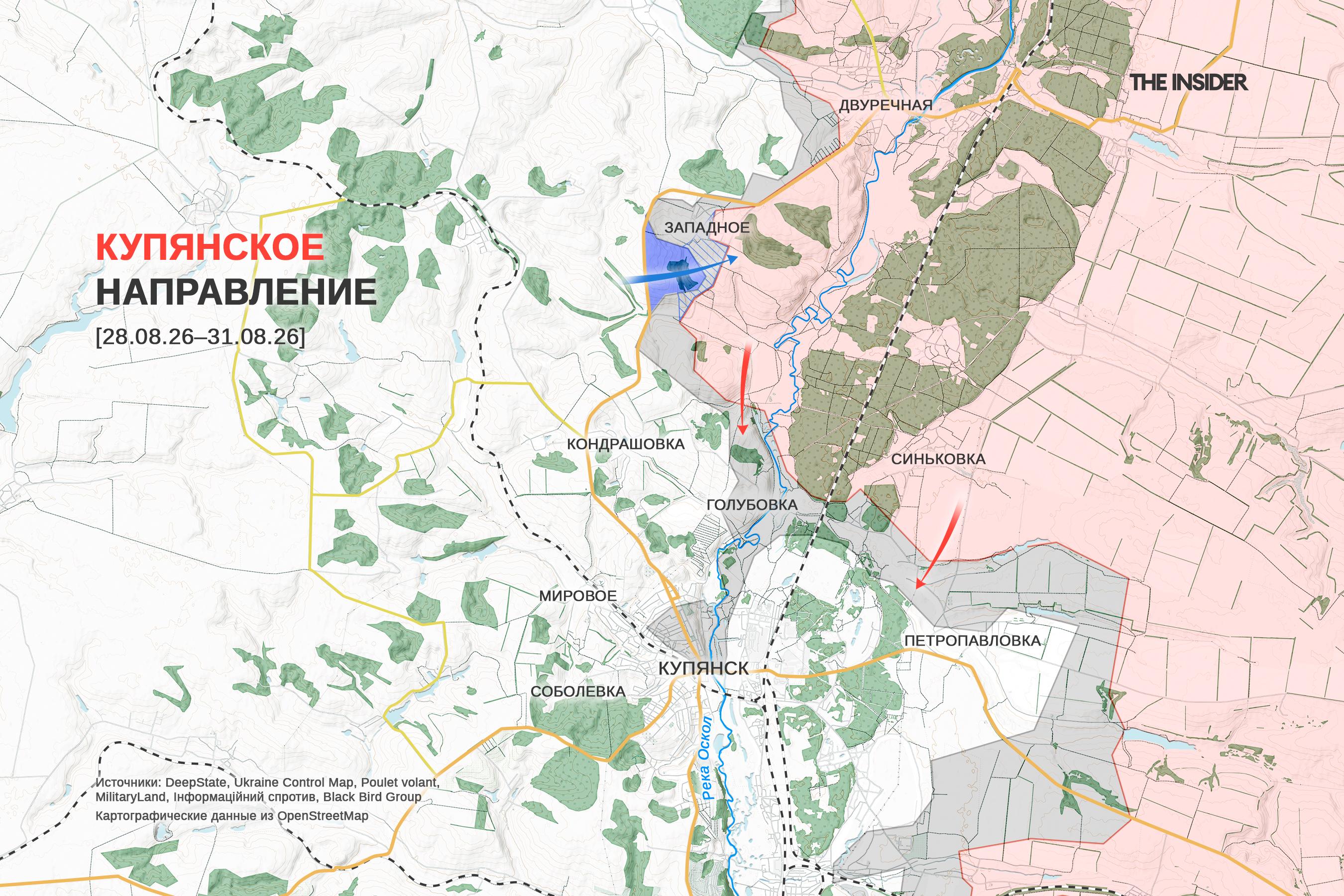
Heavy fighting continues along the frontlines in eastern and southern Ukraine, with the Ukrainian General Staff reporting over 250 combat engagements within 24 hours. Russian forces launched multiple assault attempts on the Lyman, Kostiantynivka, and Pokrovsk directions in an effort to push into Ukrainian defensive lines. Meanwhile, Ukrainian forces conducted infantry clearing operations north of Kupiansk along the Oskil River after suppressing Russian drone activity.

Contrasting claims emerged in peripheral regions: Russia's Defense Ministry reported taking control of several settlements near Sumy, whereas Russian Chief of General Staff Valery Gerasimov publicly rejected claims of Ukrainian gains in Zaporizhzhia.

In addition to battlefield clashes, Russian drone strikes hit several civilian areas overnight. Ukrainian authorities reported multiple fatalities, including a mother and two children in the Kyiv region and a priest in Kherson Oblast.

Sources: NV, Point, Radio Svoboda, The Insider, Ukrainska Pravda.

Read more
03
ContinuingAI-generated
CIA director visits Moscow to set boundaries on Ukraine conflict

CIA director visits Moscow to set boundaries on Ukraine conflict

CIA Director John Ratcliffe made an unannounced visit to Moscow to warn Russian officials against overthrowing Ukraine's government or seizing full control of the nation.

Central Intelligence Agency Director John Ratcliffe recently conducted an unannounced mission to Moscow to deliver clear warnings to Russian leadership regarding the conflict in Ukraine. Intelligence reports indicate that Washington aimed to establish firm boundaries, specifically warning Moscow against targeting Ukrainian President Volodymyr Zelenskyy's government for overthrow or pursuing a complete military conquest of Ukraine. With standard diplomatic channels significantly impaired, the United States is increasingly utilizing intelligence leadership to maintain direct communication with Moscow. Strategic analysts emphasize that these covert discussions are crucial for preventing dangerous miscalculations and mitigating the risk of wider European escalation while military operations continue.

Sources: G4Media.

Read more
04
ContinuingAI-generated
Tensions rise in Strait of Hormuz as US and Iranian forces exchange maritime strikes

Tensions rise in Strait of Hormuz as US and Iranian forces exchange maritime strikes

US and Iranian forces exchange strikes near the Strait of Hormuz, with Washington destroying five vessels and Tehran firing missiles at US bases.

Military confrontation between the United States and Iran around the Strait of Hormuz has escalated following fresh maritime and missile engagements. US Central Command reported destroying five Iranian naval vessels in response to an attempted strike on American warships.

In retaliation, Iranian state media announced that Tehran launched 20 missiles at US military positions in Jordan and struck six vessels, including three oil tankers and an aircraft carrier. Iranian Revolutionary Guard forces have signaled renewed assertiveness despite earlier diplomatic efforts, including a 14-point memorandum signed in June. While US President Donald Trump maintained that Tehran is in severe difficulty and that the critical shipping lane remains open, American intelligence agencies warned that Iranian commanders could seek to further intensify the conflict. Emergency crews have since extinguished a fire aboard a damaged vessel in the region.

Sources: Corriere della Sera, Il Messaggero, La Repubblica.

Read more
05
ContinuingAI-generated
Finnish president dismisses Russia-NATO conflict timelines amid Baltic hybrid concerns

Finnish president dismisses Russia-NATO conflict timelines amid Baltic hybrid concerns

Finnish President Alexander Stubb dismissed timelines predicting a Russian attack on NATO by 2029, though analysts warn of mounting Baltic provocations.

Finnish President Alexander Stubb has expressed skepticism over warnings from Berlin that Russia could be prepared to strike NATO territory by 2029, asserting there are no factual grounds for such projections. Speaking to German media, Stubb noted that while Moscow is unlikely to challenge the Western military alliance directly, member states must maintain strong deterrence capabilities and prepare for potential worst-case developments.

Simultaneously, regional defense experts warn of growing non-conventional threats across the Baltic Sea region. Polish military analyst Col. Maciej Korowaj stated that Russian forces are actively assessing NATO response mechanisms to refine provocation strategies, identifying the upcoming autumn period as particularly critical. In response, Baltic and Nordic nations are intensifying joint intelligence sharing and defense coordination to counter ongoing espionage and hybrid activities.

Sources: Defence24, Portal obronny, Rzeczpospolita, TVP info

Read more
Share