Top news

Sep 21, 2026, 07:30 AM UTC

← Latest news

01
ContinuingAI-generated
France raises funding questions as Zaporizhzhia plant reconnects to grid

France raises funding questions as Zaporizhzhia plant reconnects to grid

The Zaporizhzhia nuclear plant has reconnected to the grid as diplomatic activity increases and French officials raise questions regarding long-term aid costs for Ukraine.

The Zaporizhzhia Nuclear Power Plant in Ukraine has been reconnected to the electrical grid, reducing immediate safety concerns at the site, the International Atomic Energy Agency reported.

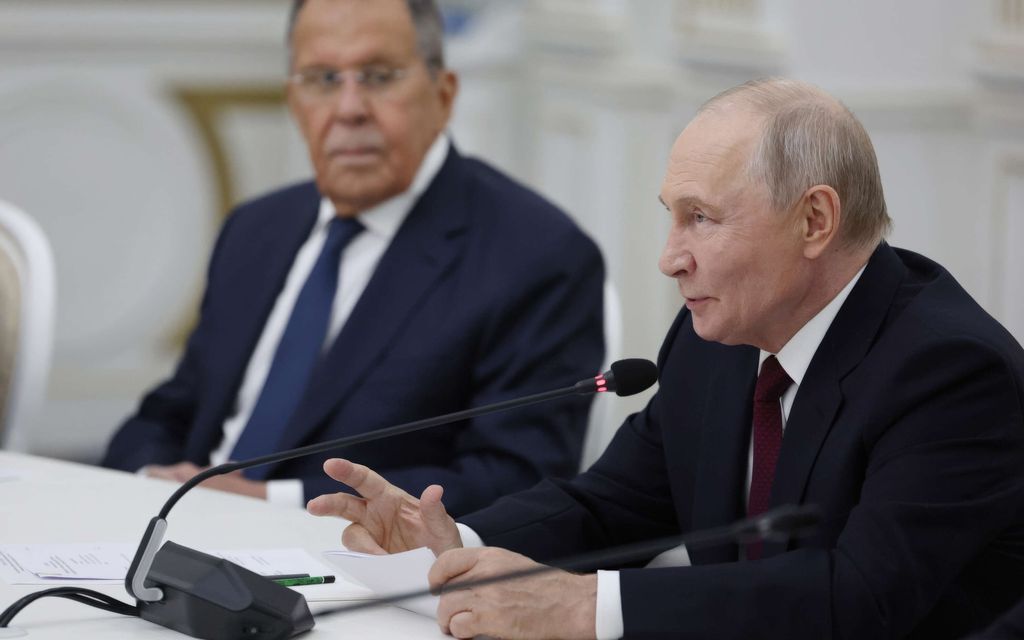
The power restoration comes amidst renewed diplomatic activity. Ukrainian President Volodymyr Zelenskyy indicated that representatives from Ukraine, the United States, and European allies are preparing to meet in the near future. Concurrently, Kremlin officials hinted at a possible willingness to resume peace talks under specific conditions.

However, long-term support for Kyiv faces financial scrutiny. French officials raised concerns regarding the costs of sustaining Ukraine's defense and funding its future reconstruction, asking "Who pays?"

Sources: Iltalehti
Read more
02
ContinuingAI-generated
Finnish scholar details Soviet pressure on leadership during Cold War

Finnish scholar details Soviet pressure on leadership during Cold War

Political scholar Alpo Rusi reveals details of Soviet covert operations targeting former Finnish Prime Minister Keijo Liinamaa in the late 1970s and 1980s.

Political science scholar Alpo Rusi has shed light on historical Soviet covert operations aimed at manipulating Finnish domestic politics during the transition of power in the late 1970s and early 1980s.

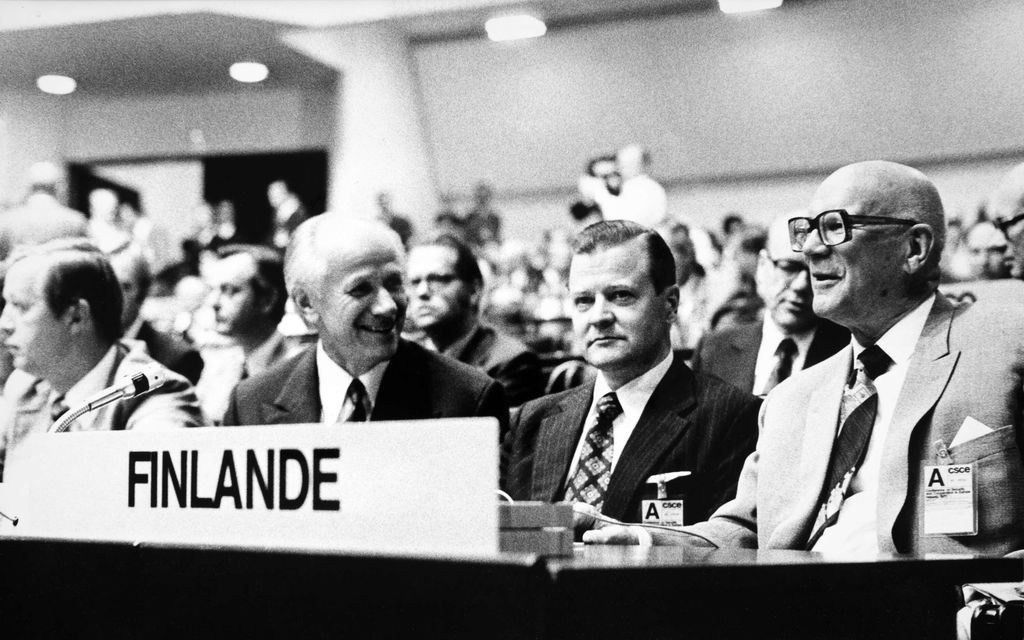
Writing in a guest column for Iltalehti, Rusi detailed how Soviet intelligence services attempted to sway political leadership choices as President Urho Kekkonen's era drew to a close.

Central to Rusi's account are threats directed at former Prime Minister and National Conciliator Keijo Liinamaa. Prior to his death in 1980, Liinamaa reportedly revealed to a diplomat that he faced coercion from eastern intelligence operatives. The account underscores the pressure exerted by Moscow to maintain influence over Finnish decision-makers during a delicate Cold War juncture.

Sources: Iltalehti

Read more
03
ContinuingAI-generated
Historians frame 1989 as pivotal year shaping modern global order

Historians frame 1989 as pivotal year shaping modern global order

Historical analyses identify 1989 as a crucial global turning point, connecting Europe's political shifts with major developments in China and Afghanistan.

Historical analyses highlight 1989 as a defining turning point that reshaped global politics heading into the 21st century. While Western perspectives often focus on the fall of the Berlin Wall and the collapse of communist governments in Eastern Europe, critical developments across Asia simultaneously reconfigured the international landscape.

In China, the military crackdown on pro-democracy protests in Tiananmen Square ensured the continuation of single-party rule, setting the stage for state-directed economic expansion. Concurrently, the withdrawal of Soviet troops from Afghanistan left a geopolitical vacuum, fueling long-term regional instability. Analysts stress that contemporary international rivalries and security challenges are best understood by viewing these European and Asian occurrences as interconnected developments rather than isolated historical events.

Sources: Die Presse

Read more
04
ContinuingAI-generated
Spain opens temporary facilities in Ceuta for remaining migrants

Spain opens temporary facilities in Ceuta for remaining migrants

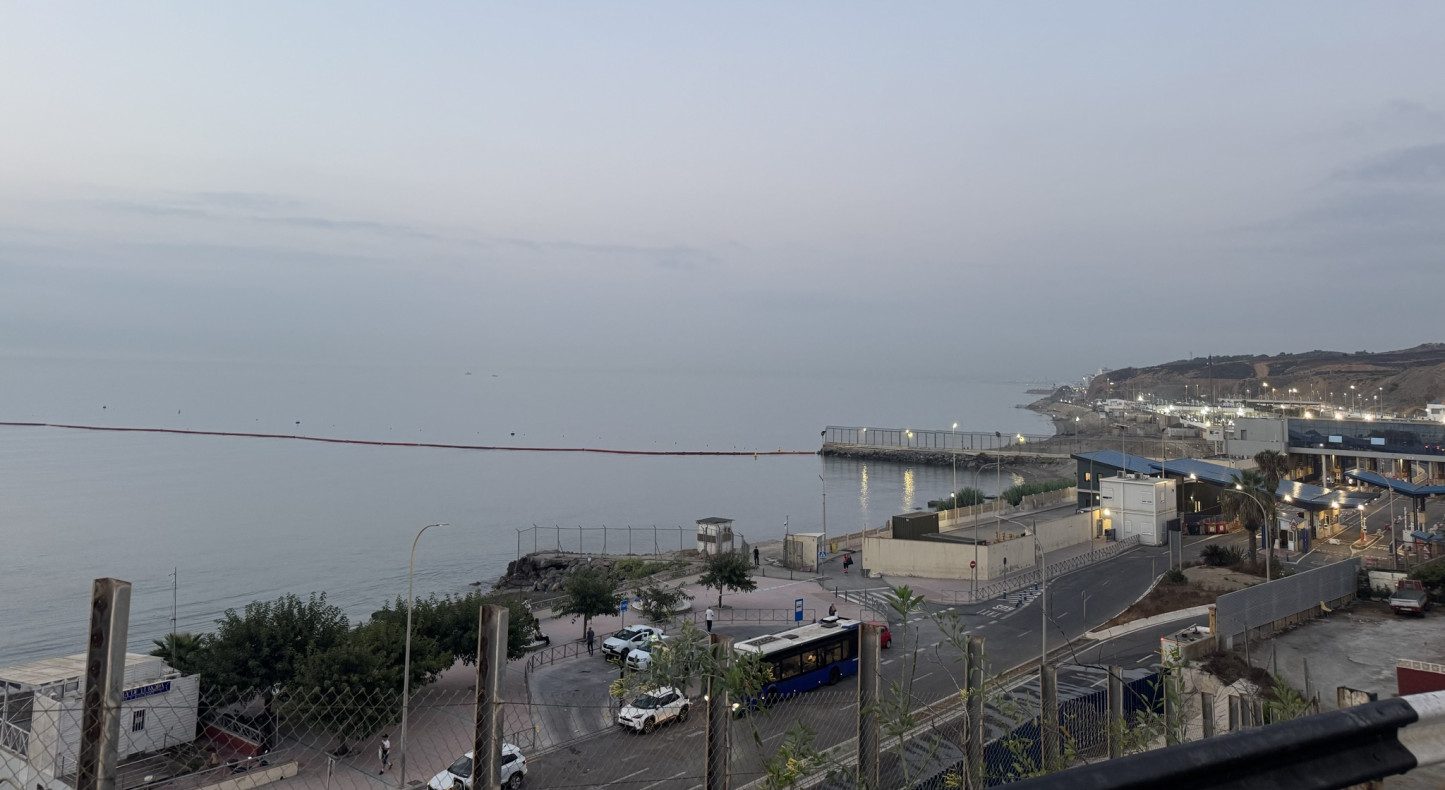
Spain has set up two temporary facilities in Ceuta for around 2,000 migrants following July's border crossing, as security forces prevent a rumored second rush.

Spanish authorities have established two temporary reception facilities in Ceuta to accommodate approximately 1,800 to 2,000 migrants remaining in the enclave. The initiative aims to clear public spaces, including local beaches where hundreds had been sleeping outdoors under emergency blankets following a massive border crossing in late July.

Security along the border was heavily reinforced by Spanish and Moroccan forces over the weekend after online rumors suggested a second coordinated crossing on August 15. The anticipated rush failed to materialize as dozens of police vehicles and personnel secured the perimeter. Despite the calm, local residents continue to voice frustration over municipal strain while criticizing political groups for exploiting the crisis.

Sources: Correctiv, Die Zeit, FAZ, ORF, Tagesschau.

Read more
05
ContinuingAI-generated
Cyprus reflects on legacy of 1974 mass population displacement

Cyprus reflects on legacy of 1974 mass population displacement

Fifty years after the 1974 military operations, the mass displacement of Cypriots and the resulting territorial bizonality continue to impact island reunification efforts.

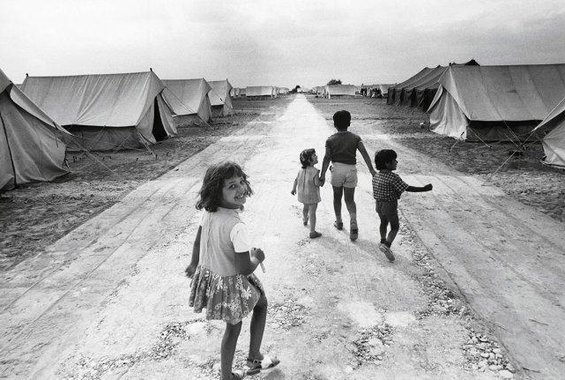
The demographic reshuffling following the July and August 1974 Turkish military operations in Cyprus remains one of the largest population displacements relative to total size in modern European history. The physical displacement of tens of thousands of Greek and Turkish Cypriots laid the groundwork for the island's prolonged political and territorial division.

Subsequent diplomatic arrangements, notably the Third Vienna Accord, sought to resolve immediate humanitarian concerns and safeguard enclaved communities. However, historical analyses indicate these measures ultimately formalized population exchanges, embedding geographic bizonality across the northern and southern sectors. Fifty years on, the structural ramifications of these forced movements continue to shape intercommunal relations and complicate diplomatic initiatives aimed at island reunification.

Sources: Phileleftheros (philenews)

Read more
Share