Top news

Sep 20, 2026, 04:30 PM UTC

← Latest news

01
ContinuingAI-generated
Heavy fighting persists across Ukrainian front as drone strikes cause civilian casualties

Heavy fighting persists across Ukrainian front as drone strikes cause civilian casualties

Heavy fighting continues across Ukraine with over 220 daily engagements, alongside deadly drone strikes in the Kyiv and Kherson regions.

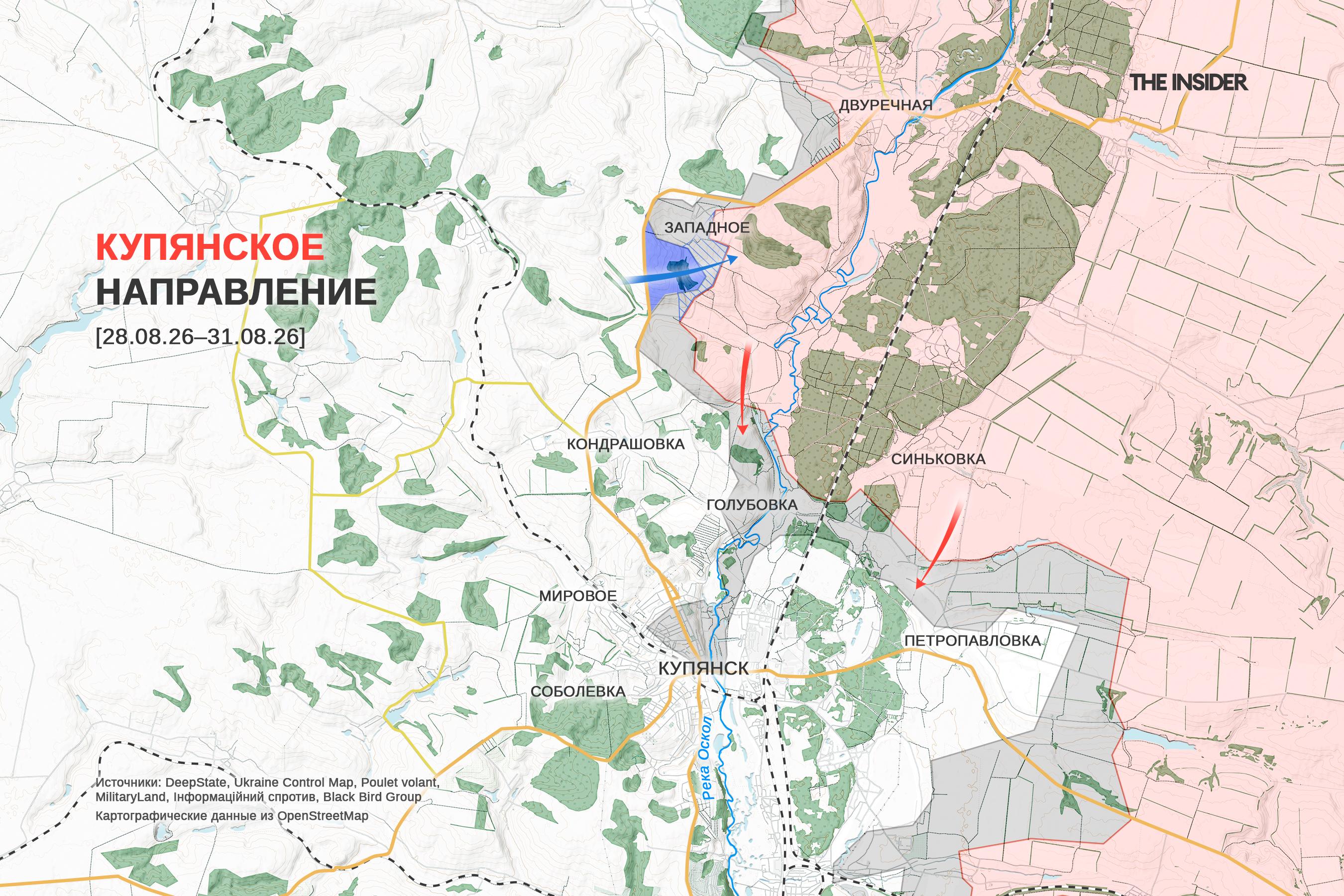
Clashes along the Ukrainian front line remain intense, with Ukrainian military officials reporting between 220 and 250 daily combat engagements. Heavy ground fighting is concentrated in the Lyman, Kostiantynivka, and Pokrovsk directions, where defensive forces continue repelling Russian assault attempts.

In the northern sector, Ukrainian infantry conducted clearing operations on the right bank of the Oskil River following drone suppression efforts. Reports also point to potential Ukrainian territorial progress near Lyman. Conversely, Russia's Ministry of Defense claimed its forces captured several settlements approaching Sumy, while Russian General Staff Chief Valery Gerasimov denied Ukrainian tactical advances in Zaporizhzhia.

Concurrently, Russian drone attacks continue to strike civilian infrastructure. Recent strikes in the Kyiv region killed a mother and two children, while a separate drone attack on a Kherson monastery killed a clergyman.

Sources: NV, Point, Radio Svoboda, The Insider, Ukrainska Pravda.
Read more
02
ContinuingAI-generated
Ukraine pursues indigenous missiles and glide bombs amid air defense shortfalls

Ukraine pursues indigenous missiles and glide bombs amid air defense shortfalls

Ukraine is developing indigenous ballistic missiles and glide bombs to counter intensifying Russian strikes while facing multi-year delays in domestic Patriot production.

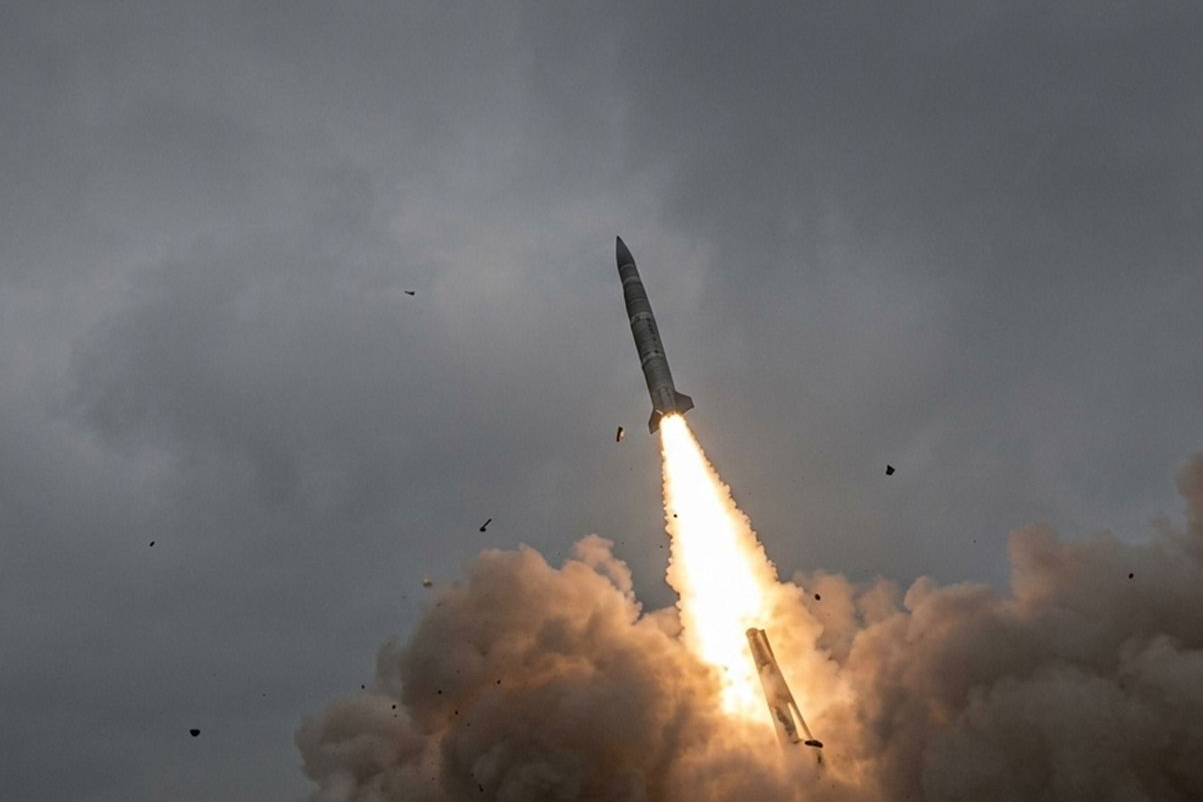
Ukraine is accelerating efforts to strengthen its domestic arms manufacturing amid escalating Russian ballistic missile strikes and persistent delays in Western defense deliveries. President Volodymyr Zelenskyy confirmed that two local defense firms are currently developing indigenous ballistic missiles, though technical challenges hamper rapid mass production. Additionally, establishing domestic manufacturing of Patriot air defense systems under American licensing will require between one and several years due to regulatory processes.

To address immediate operational shortfalls, Ukraine's armed forces are procuring the domestically produced "Equalizer" precision-guided glide bomb kit. Developed by DG Industry with the Brave1 innovation initiative, the module adapts unguided bombs for Soviet-era and Western aircraft. However, defense analysts caution that tactical adaptations cannot fully replace high-altitude interceptors needed to defend critical infrastructure against ballistic threats.

Sources: NEXTA, NV, Point, The Insider, Українська правда

Read more
03
ContinuingAI-generated
Netanyahu formally rejects US-backed Gaza peace plan

Netanyahu formally rejects US-backed Gaza peace plan

Israeli Prime Minister Benjamin Netanyahu has rejected a US-backed Gaza peace plan, demanding the full disarmament of Hamas before any troop withdrawal.

Israeli Prime Minister Benjamin Netanyahu has formally rejected a 15-point Gaza peace plan endorsed by US President Donald Trump, declaring that Israeli forces "will not carry out any withdrawal until Hamas is genuinely disarmed." Speaking in televised remarks to his cabinet, Netanyahu emphasized that Israel would continue counteracting threats against its military despite Hamas having agreed to the proposal in late July.

The refusal highlights deepening friction between Washington and Jerusalem, even as Israeli military strikes in Gaza have reportedly slowed under White House pressure. Netanyahu's firm stance comes as he navigates domestic political tensions within his coalition ahead of Israel's national election scheduled for 27 October.

Sources: Cyprus Mail, France24, STV News, The Guardian, The Herald.

Read more
04
ContinuingAI-generated
Escalation in Strait of Hormuz follows US oil transport and Iranian demands

Escalation in Strait of Hormuz follows US oil transport and Iranian demands

US forces carry out major oil passage through the Strait of Hormuz as Iran conditions reopening on the lifting of American sanctions.

United States forces have conducted their largest crude oil transport operation through the Strait of Hormuz since the current conflict began, utilizing maritime, aerial, and space assets. In response, Iranian forces launched rocket-propelled sea mines into commercial shipping lanes, prompting retaliatory US strikes on Larak Island.

Tehran declared the strategic waterway will remain closed until Washington meets several conditions. Iranian demands include lifting port blockades and energy sanctions, unfreezing national assets, and halting military operations across all fronts. Prior to the conflict, roughly 20 million barrels of oil passed through the passage daily. Analysts warn that both nations face a shrinking window to exert tactical leverage, raising fears of further regional escalation.

Sources: Expresso, Expresso das Ilhas, RTP (Rádio e Televisão de Portugal)

Read more
05
ContinuingAI-generated
US midterm elections impact foreign policy decisions and Ukraine aid

US midterm elections impact foreign policy decisions and Ukraine aid

Upcoming US midterm elections and potential Republican losses are shifting Washington's focus, threatening foreign aid and delaying key sanctions.

The upcoming U.S. midterm elections in November are threatening Republican control of Congress and altering American foreign policy priorities. Analysts and former Ukrainian diplomats warn that if Republicans lose majorities in both chambers, Washington politicians will likely prioritize domestic political rivalries over foreign aid to Kyiv.

At the same time, White House advisers are reportedly encouraging restraint against military escalation with Iran to avert potential voter backlash ahead of the ballot.

Despite growing political uncertainty in Washington, a visiting delegation of U.S. lawmakers met with officials in Kyiv to reassert bipartisan backing. While the representatives emphasized that "Ukraine must sit down at the negotiating table with a strong position," they conceded that partisan gridlock in Congress continues to stall critical legislation, including proposed sanctions against Moscow.

Sources: NV, Liga net, Українська правда, Радіо Свобода

Read more
Share