Top news

Sep 20, 2026, 04:00 PM UTC

← Latest news

01
ContinuingAI-generated
Finnish president downplays Russian attack threat against NATO

Finnish president downplays Russian attack threat against NATO

Finnish President Alexander Stubb sees no evidence of a Russian threat to NATO by 2029, though experts warn of Baltic provocations.

Finnish President Alexander Stubb has downplayed warnings from Berlin regarding potential Russian aggression against NATO by 2029. Speaking to Bild, Stubb remarked, "If anyone has such a crystal ball - great. But I simply see neither evidence nor facts for this." While maintaining that Moscow is unlikely to target the alliance directly, he urged NATO allies to stay prepared for worst-case scenarios to maintain credible deterrence.

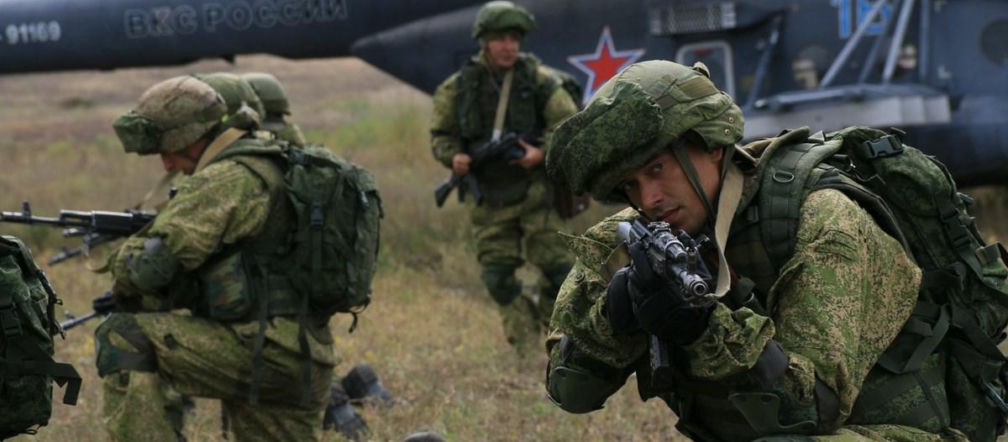
Meanwhile, security experts and regional officials warn of growing Russian hybrid threats along NATO’s eastern flank. Col. Maciej Korowaj noted that Russian forces are actively testing defense systems in the Baltic Sea to refine operational plans, highlighting a higher risk of provocations starting in September. In response, Poland, Finland, and Baltic states continue strengthening regional defense coordination.

Sources: Defence24, Portal obronny, Rzeczpospolita, TVP info
Read more
02
ContinuingAI-generated
Ukraine accelerates domestic arms projects amid long-term defense gaps

Ukraine accelerates domestic arms projects amid long-term defense gaps

Ukraine is ramping up domestic missile and precision munition development as bureaucratic delays hamper local production of Patriot air defense systems.

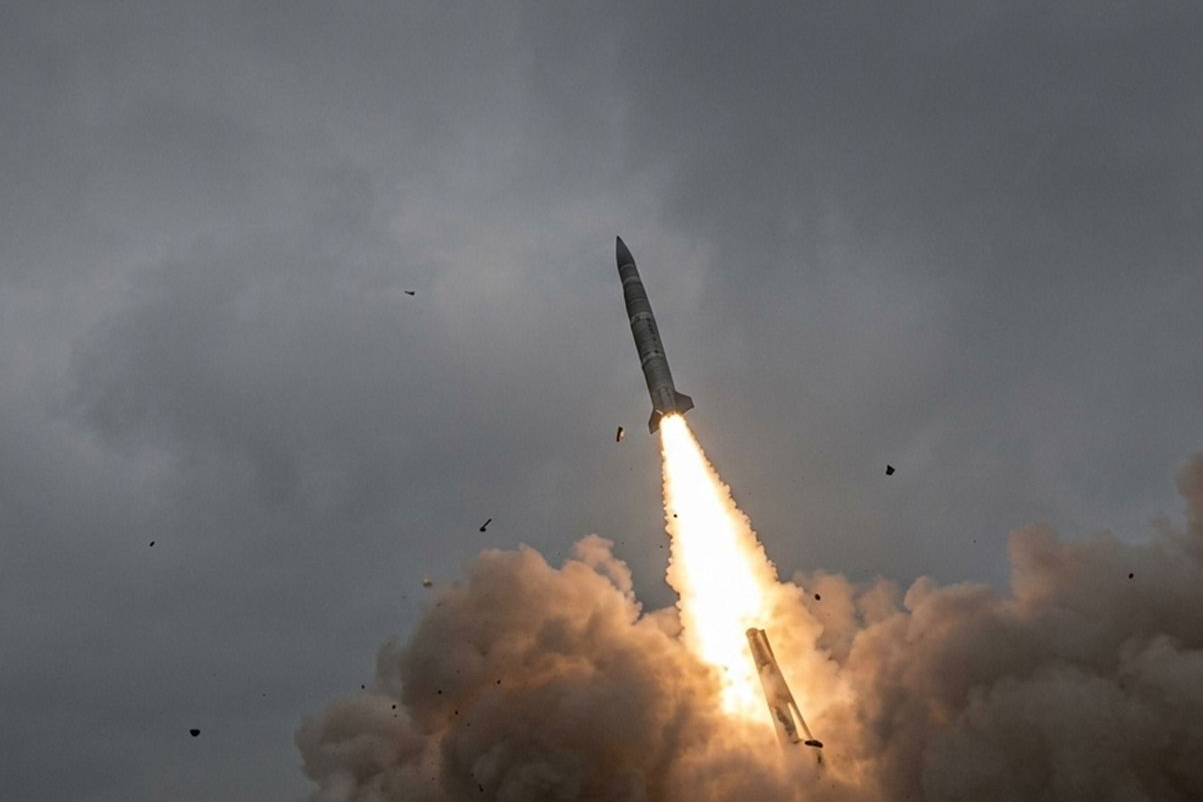
As Russian ballistic missile attacks intensify, Ukraine is accelerating efforts to develop indigenous weapons and reduce reliance on Western defense supplies. President Volodymyr Zelenskyy noted that while domestic firms are developing ballistic missiles, full-scale manufacturing faces technical hurdles. Furthermore, establishing local production of Patriot air defense systems under U.S. licensing will require between one and several years due to regulatory delays.

To mitigate immediate air defense and strike shortfalls, the Ukrainian military is acquiring the domestically developed "Equalizer" glide bomb kit. Created by DG Industry with support from the Brave1 innovation cluster, the conversion system transforms unguided munitions into precision-guided weapons for Soviet-era and Western aircraft. However, defense analysts warn that low-cost adaptations cannot fully compensate for shortages of long-range interceptors needed to protect critical infrastructure.

Sources: NEXTA, NV, Point, The Insider, Українська правда

Read more
03
ContinuingAI-generated
Ukrainian forces repel over 250 Russian attacks as frontline clashes intensify

Ukrainian forces repel over 250 Russian attacks as frontline clashes intensify

Ukrainian forces repelled more than 250 Russian attacks in 24 hours across key sectors, including Lyman and Pokrovsk, while civilian casualties were reported from Russian drone strikes.

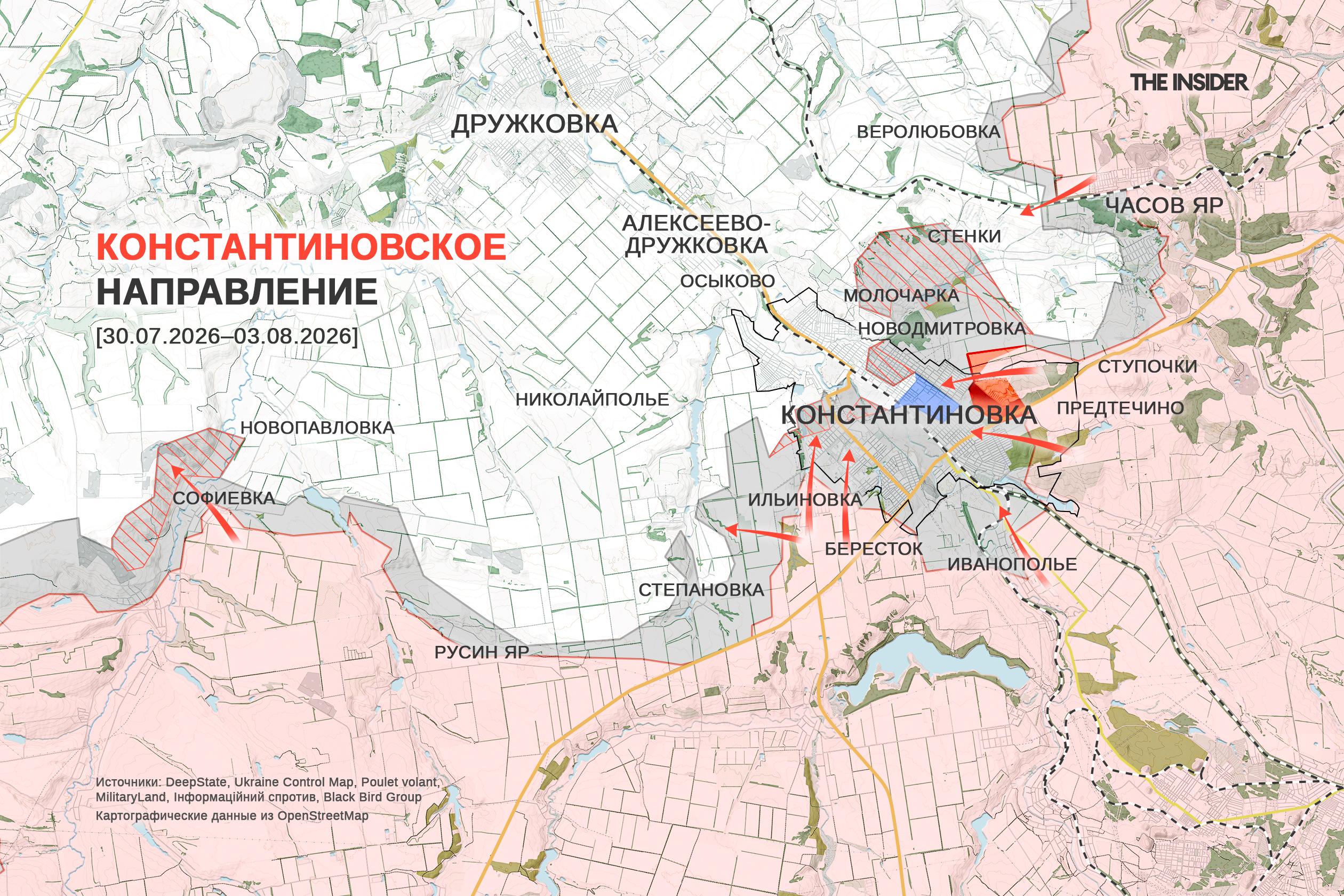
Heavy combat continued across eastern and southern Ukraine as defense forces reported over 250 military engagements in a single day. Ukrainian forces repelled persistent Russian assaults, particularly in the Lyman, Kostiantynivka, and Pokrovsk sectors, where Russian troops repeatedly attempted to breach defensive positions.

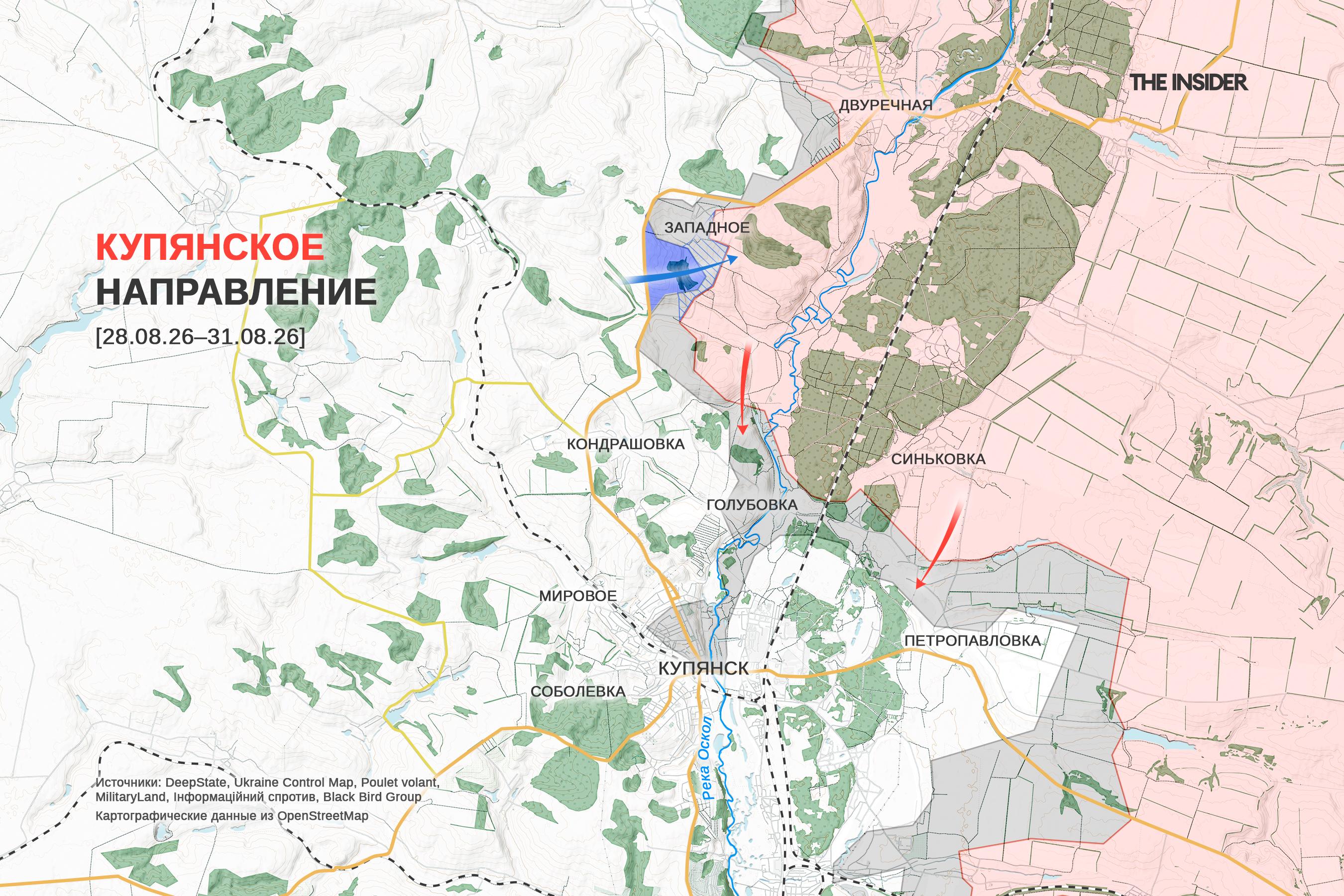
In the northern sector near Kupiansk, Ukrainian infantry conducted clearing operations on the right bank of the Oskil River after suppressing Russian drone capabilities. However, conflicting claims persist over territorial control elsewhere along the front line. The Russian Ministry of Defense claimed to have seized several settlements near Sumy, while Russian General Staff Chief Valery Gerasimov denied Ukrainian progress in the Zaporizhzhia region.

Meanwhile, overnight Russian drone attacks continued to inflict civilian casualties. Strikes in the Kyiv region resulted in the deaths of a mother and two children, while a separate strike on a Kherson monastery killed a clergyman.

Sources: NV, Point, Radio Svoboda, The Insider, Ukrainska Pravda.

Read more
04
ContinuingAI-generated
Drone strikes hit Russian logistics hubs as regional casualties rise

Drone strikes hit Russian logistics hubs as regional casualties rise

Ukrainian drone attacks target Russian e-commerce hubs and civilian regions following deadly strikes in Kyiv and continued frontline clashes.

Cross-border drone warfare has intensified, causing significant casualties and targeting major Russian commercial infrastructure. A series of Ukrainian drone strikes damaged multiple logistics hubs belonging to Russian online retailer Ozon across three days, causing company shares to drop by nearly 30 percent. A separate strike ignited a fire at a Wildberries warehouse in Leningrad Oblast.

In Russia, local authorities reported five deaths from drone impacts in Moscow Oblast and seven fatalities after a drone crashed onto a beach in Krasnodar Krai. These attacks follow a Russian strike on Kyiv that killed nine people and injured over 30.

On the battlefield, Russian troops secured tactical advances near Artelne in Kharkiv Oblast and inside Kostiantynivka, while Ukrainian forces maintained forward momentum near Velyka Novosilka.

Sources: Mediazona, Point, Радіо Свобода, The Guardian, The Insider

Read more
05
ContinuingAI-generated
Europe faces defense delays as US prioritizes domestic weapon stocks

Europe faces defense delays as US prioritizes domestic weapon stocks

European efforts to reduce reliance on US defense technology face pushback from industry figures and logistics delays as Washington prioritizes domestic stockpiles.

European Union initiatives to substitute American military technology are facing pushback from defense industry leaders, who warn that excluding US tech could compromise cybersecurity, reduce system capabilities, and impair NATO interoperability. The drive toward defense autonomy follows disagreements with Washington over Ukraine aid, trade tariffs, and transatlantic security commitments.

Simultaneously, European armed forces are confronting tactical vulnerabilities along the eastern flank, where costly interceptor missiles—sometimes exceeding €1 million—are routinely deployed against inexpensive drones valued around €10,000. These operational challenges are further complicated by anticipated delays in American weapons exports. With Washington prioritizing the replenishment of its own military stockpiles, particularly Patriot air defense missiles that have dropped significantly below pre-war levels, allied delivery schedules face extended disruptions.

Sources: Belsat, NEXTA, Point, The Insider

Read more
Share