Top news

Sep 20, 2026, 02:00 PM UTC

← Latest news

01
ContinuingAI-generated
Demographic shifts from 1974 invasion continue to shape Cyprus division

Demographic shifts from 1974 invasion continue to shape Cyprus division

The displacement of residents in Cyprus following the 1974 invasion continues to define the island's modern demographic and political division.

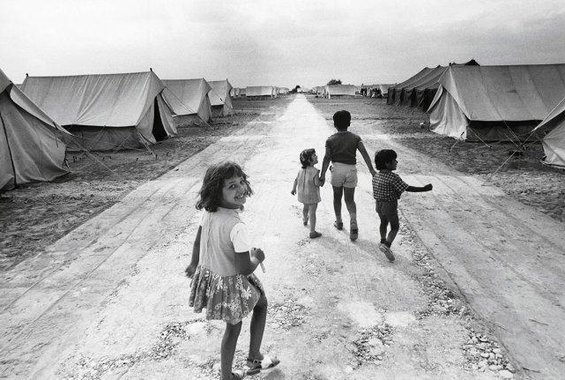
The demographic displacement following the 1974 Turkish military operations in Cyprus remains a defining factor in the island's ongoing division. Thousands of residents were uprooted during the initial invasion in July and its second phase in August, resulting in significant population shifts across the north and south.

Although subsequent diplomatic efforts, including the Third Vienna Accord, aimed to resolve immediate humanitarian needs for enclaved communities, their implementation facilitated structured population exchanges. Historical analyses indicate this outcome effectively formalized territorial bizonality, embedding the geographic and political partition that persists today. Fifty years later, these structural demographic changes continue to weigh heavily on intercommunal discussions and modern reconciliation efforts.

Sources: Phileleftheros (philenews)
Read more
02
ContinuingAI-generated
Eastern German state elections fuel debates over education, history, and culture

Eastern German state elections fuel debates over education, history, and culture

State elections in eastern Germany have intensified debates on democratic education, historical memory, and cultural funding.

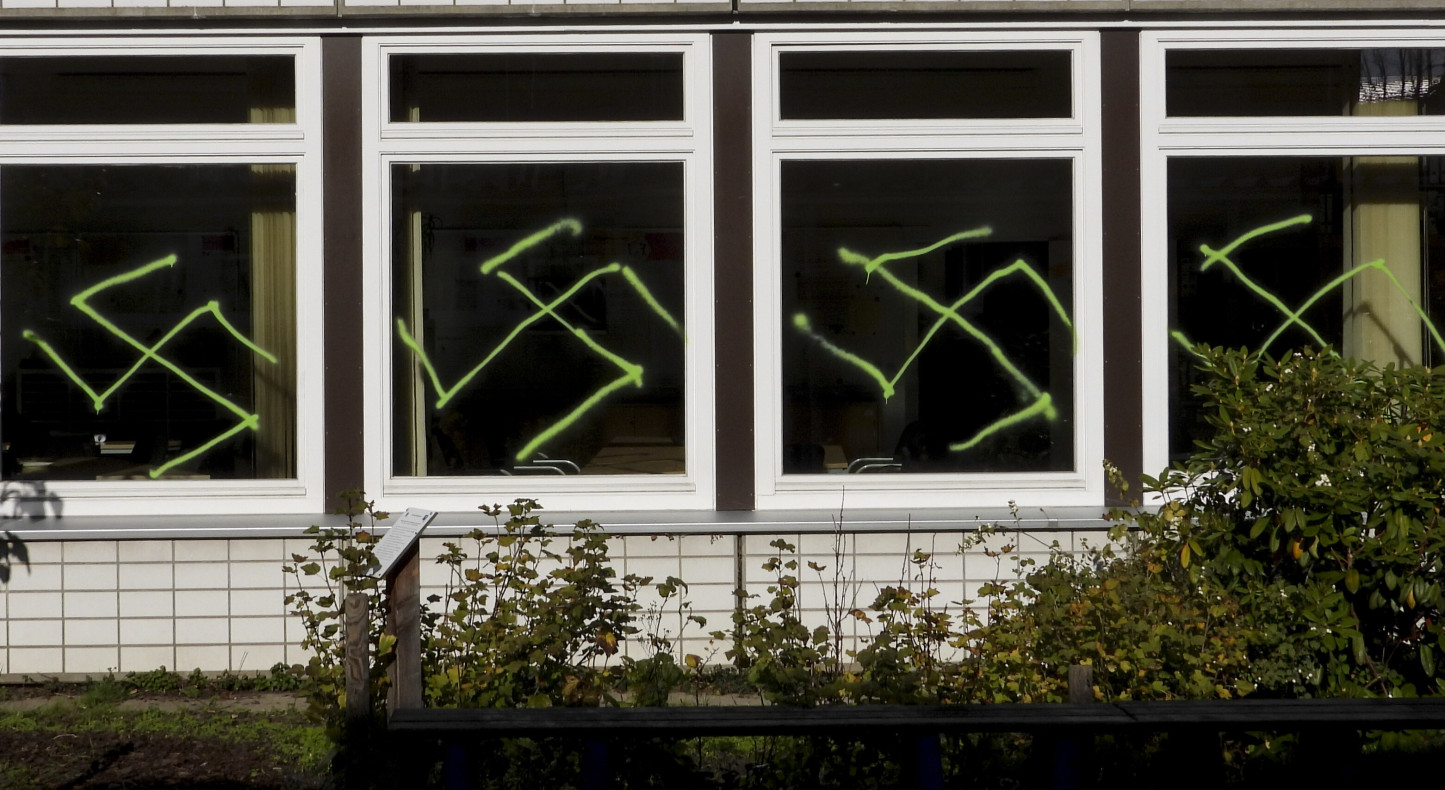
As state elections approach in eastern Germany, political debates surrounding education, historical memory, and cultural policy have intensified across the region. Educators in several schools have reported an increase in far-right symbols and rhetoric among students, leading Thuringia's education ministry to partner with the University of Jena to introduce "constitutional coaches" tasked with supporting democratic education.

To improve historical awareness, Evelyn Zupke, the federal commissioner for victims of the communist dictatorship, has advocated for mandatory student visits to East German memorial sites alongside expanded classroom instruction. Concurrently, cultural policy has become a key campaign issue. In Saxony-Anhalt, the Alternative for Germany proposed cutting public funds for projects it considers "anti-German," raising concerns regarding future support for Bauhaus heritage sites, Holocaust memorials, and local theatrical institutions.

Sources: Correctiv, Der Spiegel, DW, FAZ, Tagesschau.

Read more
03
ContinuingAI-generated
Uncertainty remains over Middle East conflict six months after air strikes on Iran

Uncertainty remains over Middle East conflict six months after air strikes on Iran

Six months after joint US-Israeli air strikes on Iran, energy markets and shipping remain disrupted while experts assess diplomatic prospects and global competition.

Six months after joint US and Israeli air strikes targeted Iranian infrastructure, analysts report that the regional conflict continues to disrupt energy markets and international shipping lanes without a clear resolution. Despite significant damage to Iran's conventional military capabilities, Tehran retains tactical leverage over vital maritime routes, including the Strait of Hormuz.

Experts interviewed by Radio Free Europe indicate that future developments will depend on the effectiveness of economic sanctions, proxy activities, and whether diplomatic engagement can be restored. Meanwhile, diplomatic analyst Zef Mazi framed these regional tensions within a broader realignment among global powers, noting how Middle Eastern instability interacts with geopolitical rivalries involving the United States, China, Russia, and localized disputes in the Western Balkans.

Sources: BalkanWeb, Gazeta Tema, Koha

Read more
04
ContinuingAI-generated
European education systems adopt stricter controls on artificial intelligence

European education systems adopt stricter controls on artificial intelligence

European schools and child safety experts are introducing stricter controls and analog teaching methods to counter AI risks in education.

European governments and educators are taking firmer action against the academic and psychological risks posed by generative artificial intelligence.

In Denmark, upper secondary students face stricter examination rules, including mandatory oral defenses of written assignments and increased surveillance to prevent AI-driven cheating. In Germany, some teachers are returning to analog teaching, excluding digital devices from classrooms to ensure students retain critical thinking skills.

Beyond classroom integrity, child safety experts have voiced growing concern over the emotional impact of conversational AI on young users. A German government advisor warned against relying on automated software to address youth safety risks, calling for structural safeguards to protect children from psychological harm.

Sources: Correctiv, Der Spiegel, Der Standard, FAZ, Tagesschau

Read more
05
ContinuingAI-generated
Czech authorities monitor hybrid threats as diplomatic and security efforts focus on Ukraine

Czech authorities monitor hybrid threats as diplomatic and security efforts focus on Ukraine

Czech Prime Minister Andrej Babiš confirmed security agencies are monitoring Russian hybrid threats, while domestic and diplomatic policies focus on Ukraine-related security and labor regulation.

Czech Prime Minister Andrej Babiš confirmed security agencies are monitoring potential Russian hybrid threats against Western allies, aligning with warnings from Polish Prime Minister Donald Tusk.

Diplomatically, parliamentary Deputy Speaker Barbora Urbanová visited Kyiv to meet Ukrainian official Olena Kondratiuk after an earlier procedural rejection by the Czech steering committee. Meanwhile, Chief of General Staff Miroslav Hlaváč awaits Ministry of Defence authorization to attend an upcoming European military commanders summit in Ukraine.

Domestically, police launched the "Kobra 26" task force to combat fraudulent employment agency networks, which officials estimate drain billions of korunas in unpaid taxes. Concurrently, updated European Union regulations extended temporary protection for displaced Ukrainians through March 2028 while conditioning status renewals on fulfilling domestic military service obligations.

Sources: Deník N, Ekonomický deník, iROZHLAS, Respect, Seznam Zprávy

Read more
Share