Top news

Sep 19, 2026, 10:00 AM UTC

← Latest news

01
ContinuingAI-generated
Finnish president dismisses Russian attack projections while Baltic security warnings persist

Finnish president dismisses Russian attack projections while Baltic security warnings persist

Finnish President Alexander Stubb dismissed claims of a Russian attack on NATO by 2029, even as military analysts warn of rising Baltic hybrid threats.

Finnish President Alexander Stubb has expressed skepticism regarding German assessments that Russia could attack NATO territory by 2029. In an interview with German media, Stubb stated he sees "neither evidence nor facts" supporting such timelines, adding that he cannot imagine Moscow targeting the military alliance. However, he emphasized that NATO must remain fully prepared to maintain deterrence.

Despite Stubb's assessment regarding a direct conflict, security analysts across the Baltic region report ongoing Russian hybrid, intelligence, and sabotage operations. Polish military expert Col. Maciej Korowaj warned that Russian intelligence is actively mapping NATO response mechanisms in the Baltic Sea to update potential provocation plans, with heightened risks anticipated starting in September.

Sources: Defence24, Portal obronny, Rzeczpospolita, TVP info
Read more
02
ContinuingAI-generated
Ukraine expands domestic arms production to address air defense gaps

Ukraine expands domestic arms production to address air defense gaps

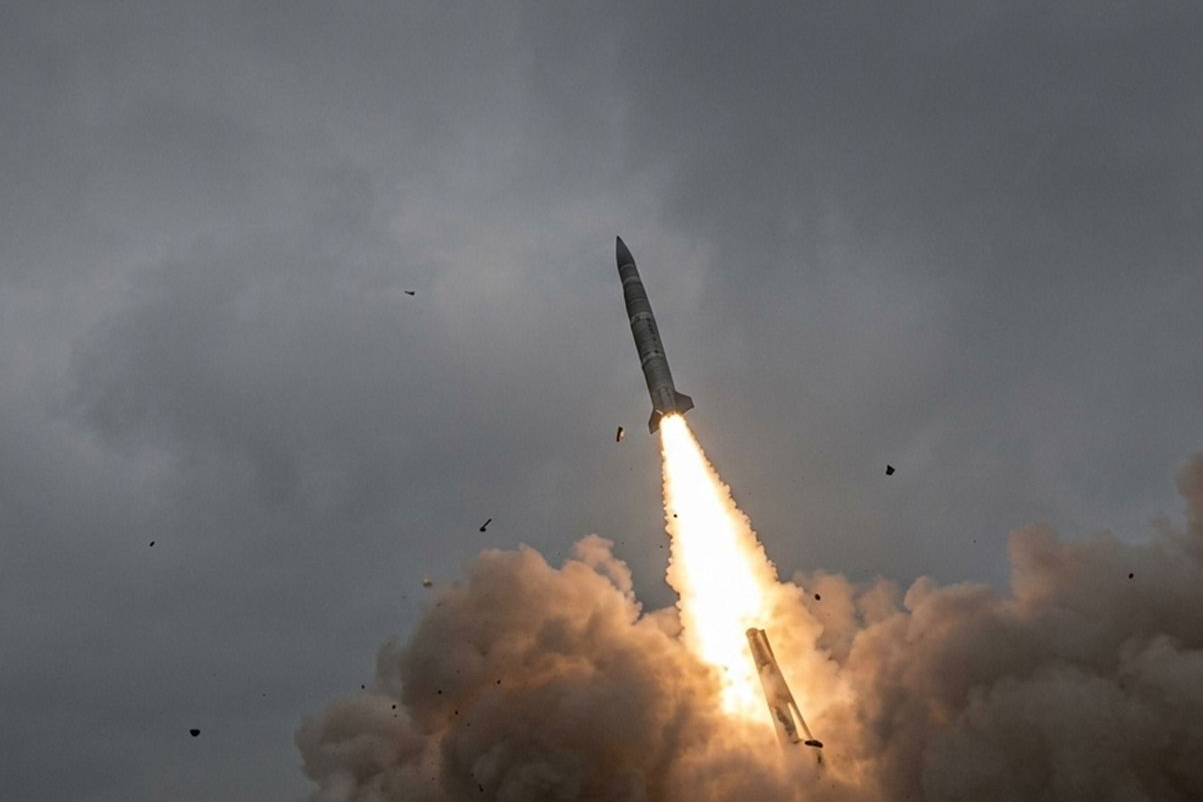
Ukraine is ramping up local defense manufacturing, developing indigenous ballistic missiles and precision glide bombs amid delays in domestic Patriot production.

Ukraine is increasing domestic military production to mitigate persistent shortages of Western air defense systems and counter ongoing Russian ballistic missile strikes. Ukrainian President Volodymyr Zelenskyy noted that establishing localized manufacturing of American Patriot air defense systems could take up to several years due to bureaucratic delays and licensing requirements.

To address this gap, two Ukrainian defense companies are developing indigenous ballistic missiles, though technical challenges remain before scaling production. Meanwhile, the armed forces are procuring the newly tested "Equalizer" precision glide bomb kit, created by DG Industry and the Brave1 innovation cluster. The system converts standard unguided bombs into long-range precision weapons compatible with both Soviet-era aircraft and Western platforms, aiming to reduce Ukraine's long-term reliance on foreign military aid.

Sources: NEXTA, NV, Point, The Insider, Українська правда

Read more
03
ContinuingAI-generated
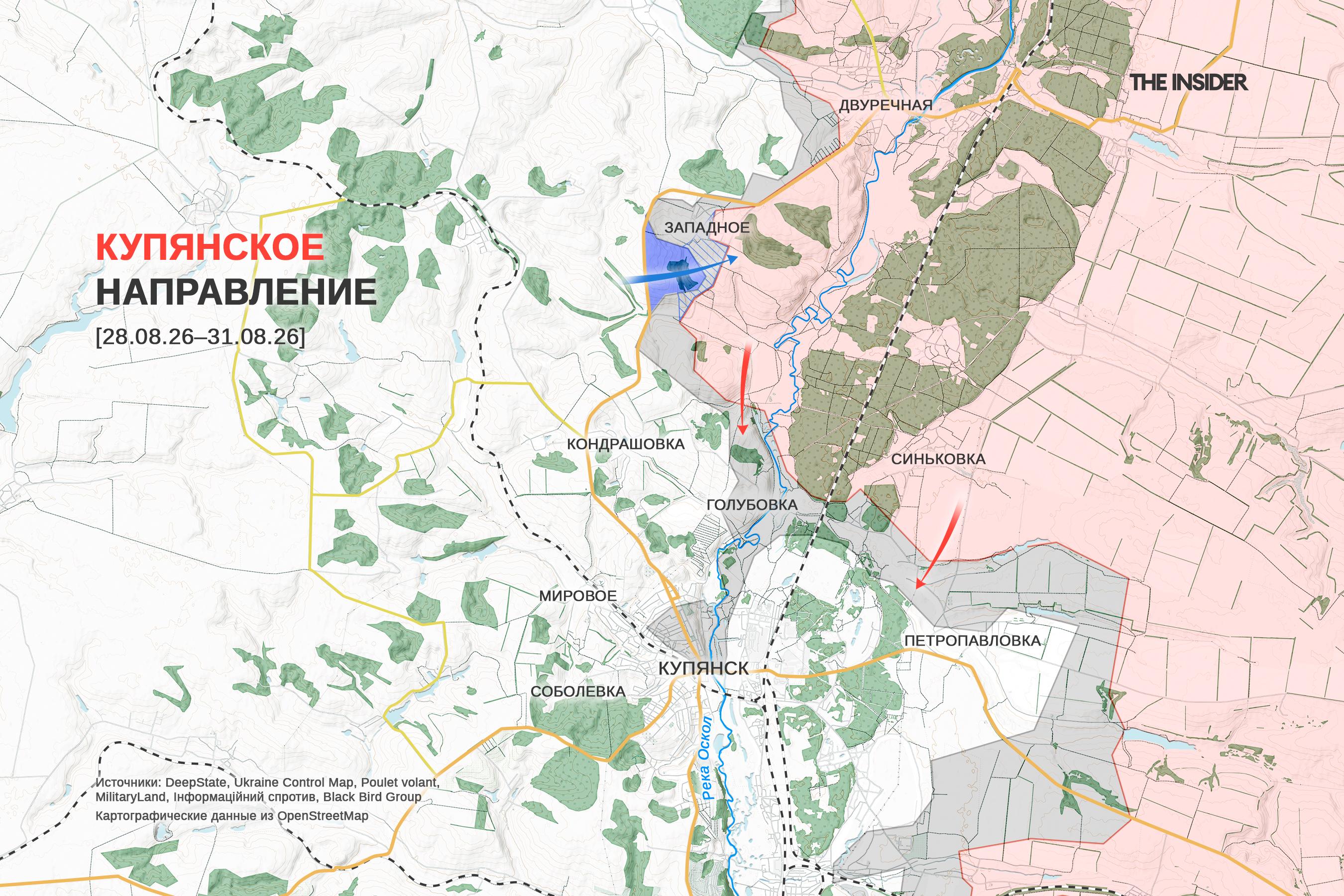
Ukrainian forces advance near Kupiansk as front-line engagements top 250

Ukrainian forces advance near Kupiansk as front-line engagements top 250

Ukrainian forces made tactical gains near Kupiansk as intense combat continued across the eastern front line, with over 250 daily engagements reported.

Ukrainian troops have secured tactical progress north of Kupiansk on the right bank of the Oskil River following electronic warfare operations that disrupted Russian drone capabilities. Combat activity remains intense across the eastern front, with Ukraine's General Staff recording over 250 daily clashes, particularly in the Pokrovsk, Kostiantynivka, and Lyman sectors. Ukrainian forces repelled dozens of Russian attempts to breach defensive lines in these areas.

Divergent claims persist elsewhere along the front line. Russia’s Ministry of Defence reported capturing border settlements approaching Sumy, while Russian Chief of the General Staff Valery Gerasimov publicly rejected reports of Ukrainian gains in the Zaporizhzhia region. Meanwhile, Ukrainian sources reported a Russian ammunition depot strike in the Kyiv region.

Sources: NV, Radio Svoboda, The Insider, Ukrainska Pravda.

Read more
04
ContinuingAI-generated
U.S. midterm elections spark concerns over foreign policy shifts in Washington

U.S. midterm elections spark concerns over foreign policy shifts in Washington

U.S. midterm elections are raising concerns in Kyiv and Washington over potential foreign policy shifts regarding Ukraine, Iran, and sanctions against Russia.

As the U.S. midterms approach, analysts and officials are assessing how potential political shifts in Washington could impact foreign policy. Former diplomat Valeriy Chaly warned that a Republican loss of both congressional chambers could force American leaders to prioritize internal political battles over assistance to Ukraine.

Concurrently, presidential aides are reportedly advising against escalating tensions with Iran prior to the November vote to safeguard Republican electoral standings.

In Kyiv, a visiting bipartisan congressional delegation reiterated Washington's commitment to Ukraine, emphasizing the necessity for Kyiv to enter future peace negotiations from a position of strength. However, lawmakers admitted that legislative gridlock and partisan disputes continue to delay significant measures, including a pending sanctions package against Moscow.

Sources: NV, Liga net, Українська правда, Радіо Свобода

Read more
05
ContinuingAI-generated
Eastern German states confront political and historical identity debates ahead of elections

Eastern German states confront political and historical identity debates ahead of elections

Debates over historical memory, education, and cultural policy are escalating across eastern Germany ahead of upcoming state elections.

Political debates over history, education, and cultural policy are intensifying across eastern Germany ahead of upcoming state elections. Teachers in the region have reported an increase in far-right symbols and rhetoric among students, prompting Thuringia's education ministry to partner with the University of Jena to deploy "constitutional coaches" to support schools against anti-democratic tendencies.

To address gaps in historical awareness, Evelyn Zupke, the federal commissioner for victims of the SED dictatorship, advocated for mandatory student visits to East German memorial sites. Meanwhile, cultural policy has emerged as a key campaign topic after the Alternative for Germany (AfD) in Saxony-Anhalt proposed cutting state funding for cultural programs deemed "anti-German," raising concerns regarding support for Bauhaus heritage, theater diversity, and Holocaust memorial sites.

Sources: Correctiv, Der Spiegel, DW, FAZ, Tagesschau.

Read more
Share