Top news

Sep 19, 2026, 01:00 AM UTC

← Latest news

01
ContinuingAI-generated
Former Slovenia captain Čeh and striker Mlakar reflect on football careers

Former Slovenia captain Čeh and striker Mlakar reflect on football careers

Slovenian football figures Aleš Čeh and Jan Mlakar share reflections on their respective careers and the state of the domestic league.

Former Slovenian national team captain Aleš Čeh and forward Jan Mlakar have provided reflections on their respective footballing careers and the state of the domestic league.

Čeh, who skippered Slovenia during their qualification for major tournaments under Srečko Katanec, discussed his transition into coaching following a playing career with clubs including Olimpija, Grazer AK, and Maribor. He subsequently spent over a decade assisting Katanec, including a seven-year stint in Asia.

Separately, 27-year-old striker Jan Mlakar discussed his third stint with Maribor. Despite his origins in Ljubljana, Mlakar clarified that he was never close to joining hometown rivals Olimpija. Ahead of the upcoming eternal derby, Mlakar noted that despite Olimpija's current form, derby matches remain unpredictable and their opponents "can only gain" from the fixture.

Sources: Delo, Siol.net

Read more
02
ContinuingAI-generated
How 1989 shaped the modern global political landscape

How 1989 shaped the modern global political landscape

Historical analyses show how 1989 served as a global turning point through events in Europe, China, and Afghanistan.

Historical analyses highlight 1989 as a pivotal year that reshaped global politics far beyond European borders. While Western memory primarily focuses on the collapse of the Berlin Wall and the retreat of Soviet authority in Eastern Europe, major geopolitical shifts occurred simultaneously across Asia.

In China, the government's suppression of pro-democracy demonstrations in Tiananmen Square consolidated political control while forging a distinct economic model. Simultaneously, the departure of Soviet troops from Afghanistan ended a protracted Cold War conflict, creating power vacuums and long-term regional instability. Examining these interconnected developments together offers essential context for understanding contemporary global security dynamics.

Sources: Die Presse

Read more
03
ContinuingAI-generated
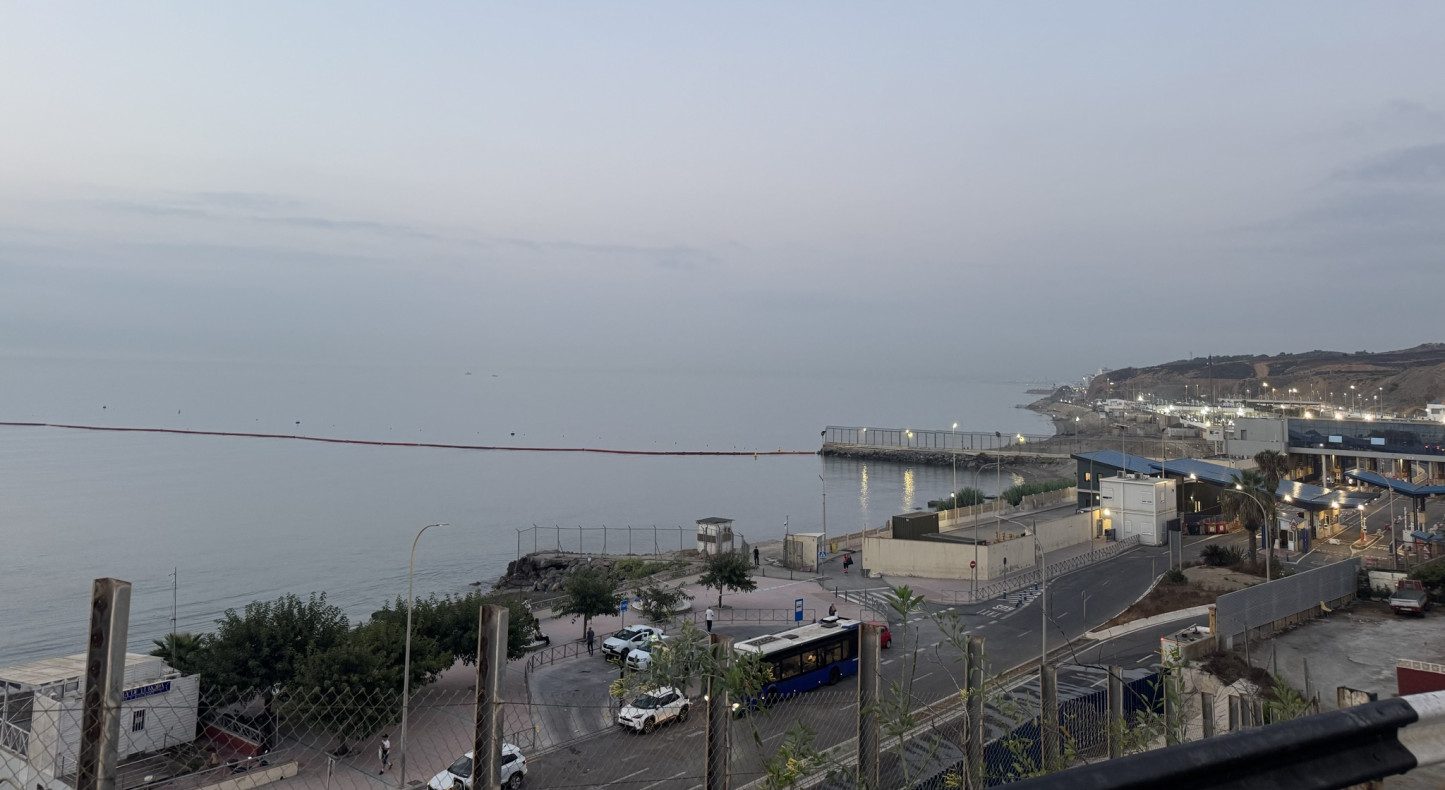
Spain sets up temporary shelters in Ceuta following migrant influx

Spain sets up temporary shelters in Ceuta following migrant influx

Spanish authorities in Ceuta have established two temporary reception facilities for around 2,000 remaining migrants, while reinforced security prevented further border crossings on August 15.

Spanish authorities in Ceuta have established two temporary reception facilities to accommodate around 1,800 to 2,000 migrants remaining in the enclave. The initiative aims to clear individuals sleeping on beaches and public streets following a massive border crossing in late July.

Security measures along the border were heavily reinforced by Spanish and Moroccan forces over the weekend of August 15 after online rumors suggested the border would reopen. No new crossings occurred, though local frustration in the enclave remains high regarding Madrid's handling of the crisis. Residents continue to express concern over municipal conditions and political polarization surrounding the situation.

Sources: Correctiv, Die Zeit, FAZ, ORF, Tagesschau.

Read more
04
ContinuingAI-generated
Analysis highlights lasting impact of 1974 Cyprus displacement and Vienna agreement

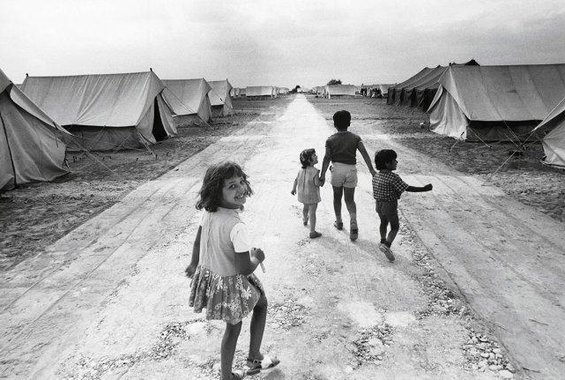
Analysis highlights lasting impact of 1974 Cyprus displacement and Vienna agreement

Historical analysis details how the 1974 Turkish invasion of Cyprus and the Third Vienna Accord permanently reshaped the island's demographics and structural bizonality.

Historical reflections on the 1974 Turkish military invasion of Cyprus continue to emphasize its profound demographic and political legacy. The operations conducted in July and August 1974 resulted in one of modern Europe's largest relative population displacements, permanently altering the spatial distribution of communities across the island.

Subsequent diplomatic arrangements, notably the Third Vienna Accord, attempted to address immediate humanitarian concerns for enclaved residents. However, historical assessments indicate that the accord ultimately formalized the island's territorial separation. By establishing structural bizonality, the agreement created a persistent political framework that continues to influence modern peace negotiations and intercommunal relations.

Sources: Phileleftheros (philenews)

Read more
05
ContinuingAI-generated
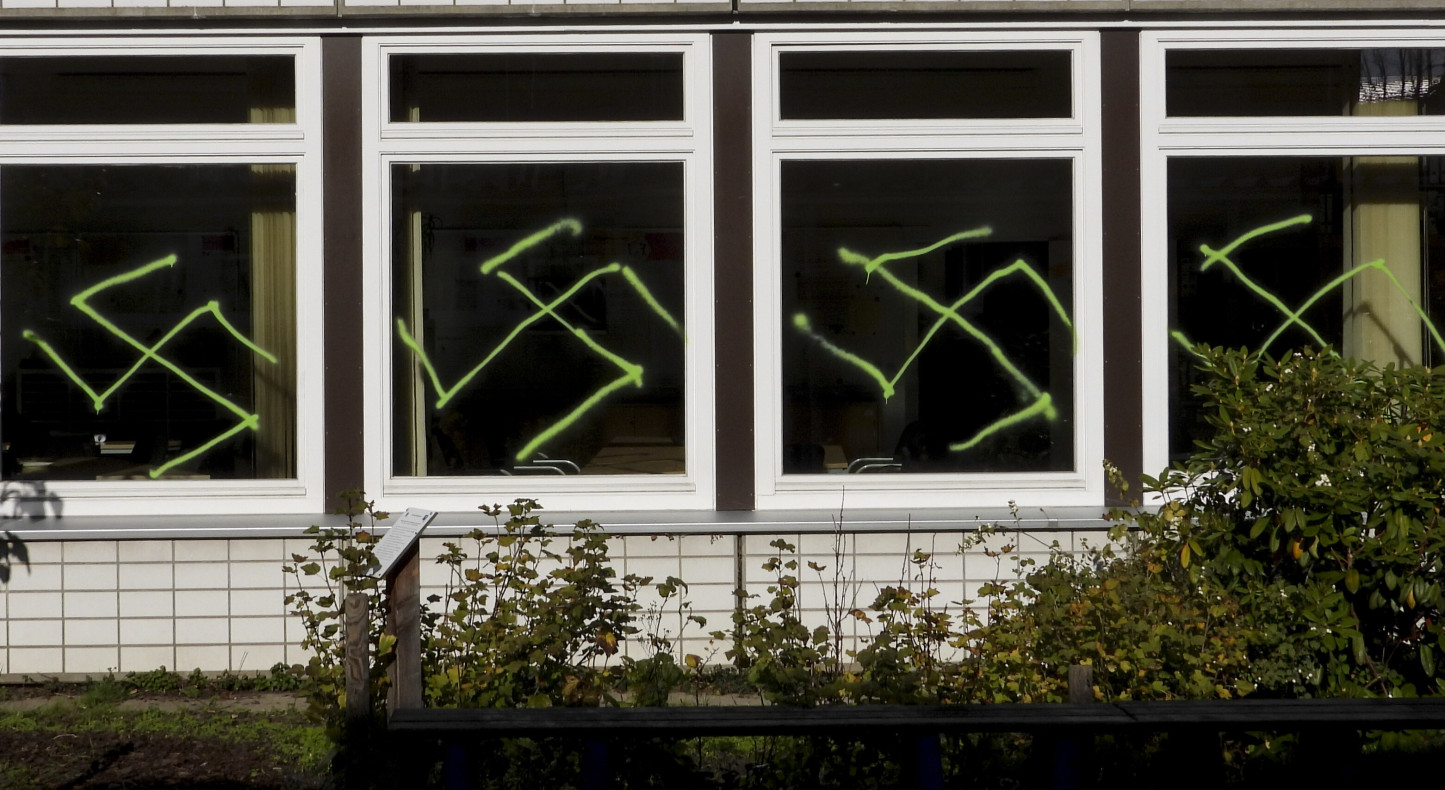
Eastern Germany faces rising debate over education, political identity, and cultural funding

Eastern Germany faces rising debate over education, political identity, and cultural funding

Ahead of state elections in eastern Germany, debates intensify over far-right classroom symbols, mandatory history field trips, and proposed cultural funding cuts.

Ahead of state elections in eastern Germany, debates surrounding political identity, history, and education are intensifying. Teachers in eastern classrooms report a rise in far-right symbols and extremist rhetoric, prompting Thuringia's education ministry to partner with the University of Jena to deploy "constitutional coaches" to support democratic values. Meanwhile, Evelyn Zupke, the federal commissioner for victims of the SED dictatorship, advocated for mandatory school visits to East German memorial sites to deepen historical knowledge.

Concurrently, cultural policy has become a major campaign focal point. In Saxony-Anhalt, the Alternative for Germany (AfD) party proposed defunding cultural projects deemed "anti-German," raising concerns over potential impacts on Bauhaus sites, Holocaust memorials, and regional performing arts institutions amid broader political arguments over East German identity.

Sources: Correctiv, Der Spiegel, DW, FAZ, Tagesschau.

Read more
Share