Top news

Sep 18, 2026, 10:00 PM UTC

← Latest news

01
ContinuingAI-generated
Finland's president downplays Russian NATO attack timeline while urging readiness

Finland's president downplays Russian NATO attack timeline while urging readiness

Finnish President Alexander Stubb has rejected German warnings of a potential Russian attack on NATO by 2029, though allies remain alert to Baltic hybrid threats.

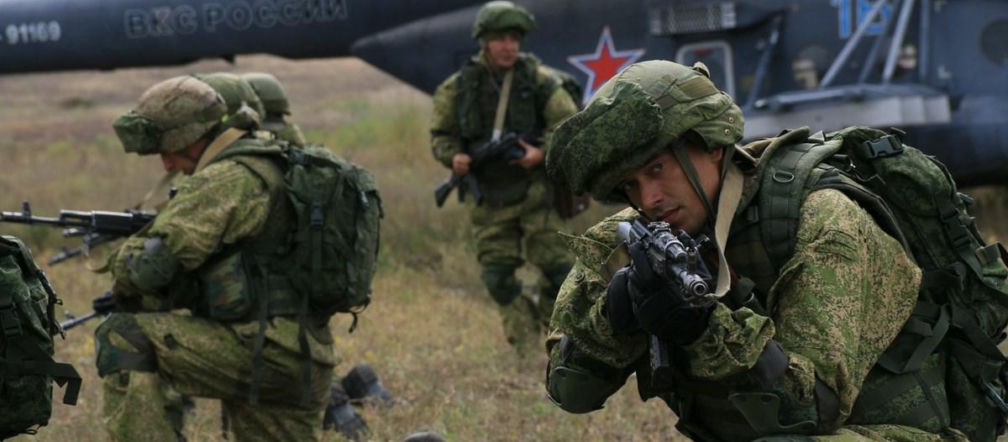
Finnish President Alexander Stubb has questioned warnings from German officials that Russia could be capable of attacking NATO territory by 2029. Speaking to German media, Stubb stated that he sees "neither evidence nor facts" to support projections of a direct conflict with the alliance, adding that he cannot imagine Moscow targeting the world's strongest military coalition. However, Stubb emphasized that NATO must remain constantly prepared for any potential scenario to maintain effective deterrence.

While a direct military invasion is deemed unlikely by regional leaders, security analysts across the Nordic and Baltic regions highlight ongoing hybrid operations, espionage, and sabotage activities by Moscow. Polish military expert Col. Maciej Korowaj warned that Russian intelligence is actively assessing NATO responses in the Baltic Sea, noting an increased risk of regional provocations starting in September.

Sources: Defence24, Portal obronny, Rzeczpospolita, TVP info
Read more
02
ContinuingAI-generated
Ukraine addresses air defense gaps with domestic missile and glide bomb initiatives

Ukraine addresses air defense gaps with domestic missile and glide bomb initiatives

Ukraine is developing indigenous ballistic missiles and glide bomb systems to offset delays in obtaining U.S. Patriot manufacturing licenses and critical interceptor shortages.

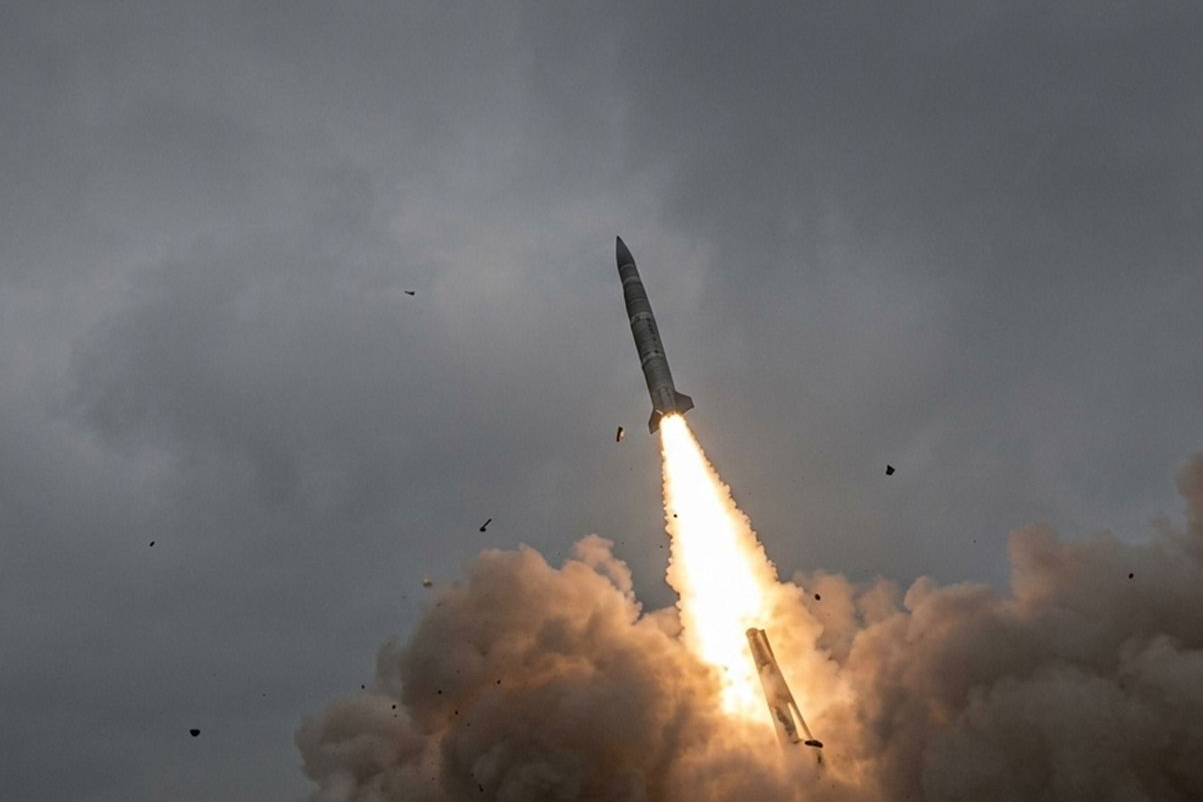
Ukraine is taking steps to mitigate acute air defense shortages as bureaucratic procedures delay U.S. licensing for local Patriot missile manufacturing. Ukrainian President Volodymyr Zelenskyy stated that establishing domestic Patriot production lines could take between 12 months and several years.

To bridge this period of ballistic vulnerability, two Ukrainian defense firms are developing indigenous ballistic missiles, though technological hurdles remain before mass production can begin. Additionally, the Ukrainian Armed Forces are procuring the newly tested "Equalizer" glide bomb conversion system. Developed by DG Industry and the Brave1 incubator, the wing and guidance kit equips unguided aerial bombs for precision long-range strikes from both Soviet-era and Western fighter aircraft, aiming to reduce dependence on foreign military supply chains.

Sources: NEXTA, NV, Point, The Insider, Українська правда

Read more
03
ContinuingAI-generated
Ukraine repels dozens of frontline assaults as operational reports diverge

Ukraine repels dozens of frontline assaults as operational reports diverge

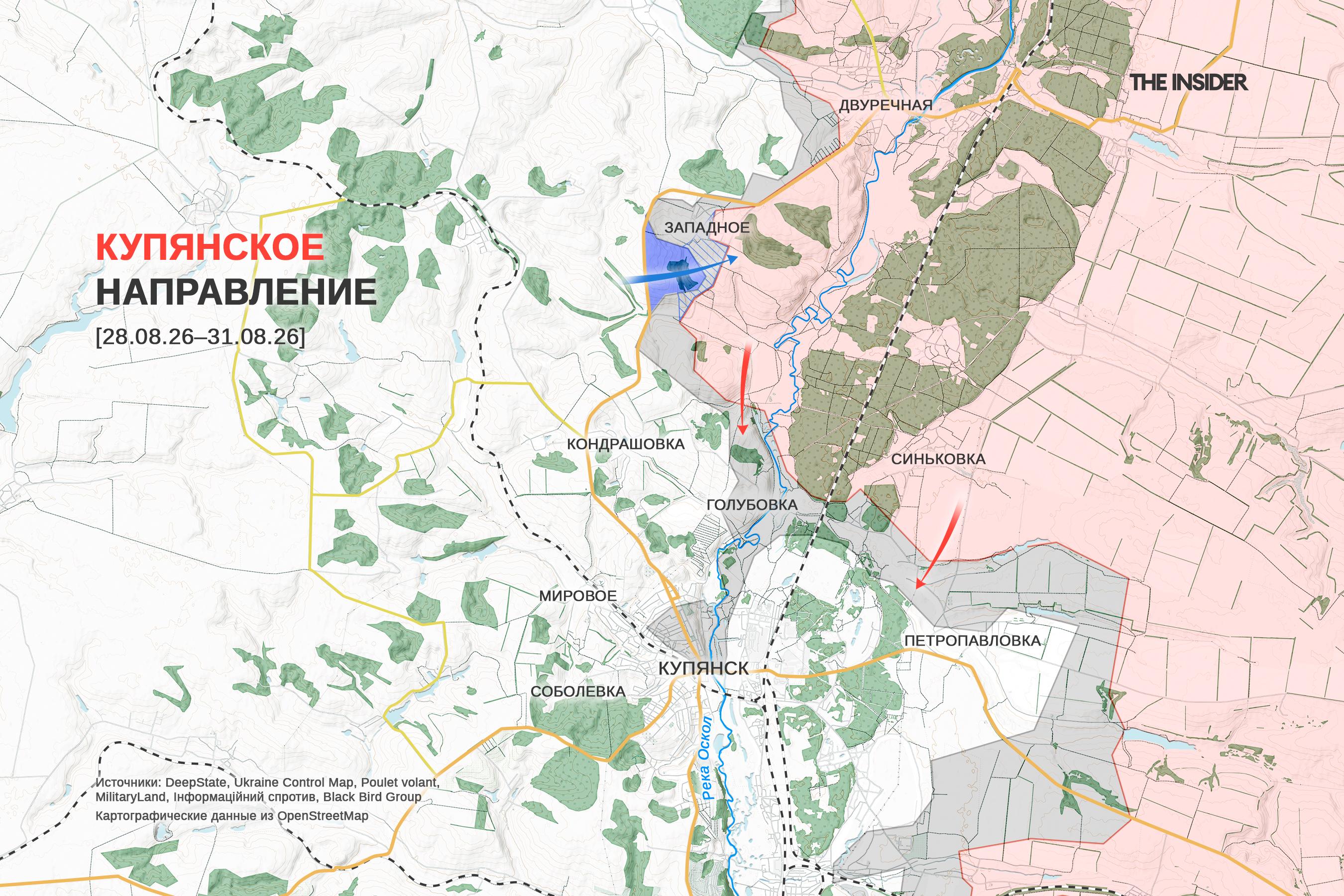
Ukrainian forces repelled over 220 daily assaults along the eastern front while making localized gains near Kupiansk, amid conflicting sector reports from Russian officials.

Ukrainian forces faced intense pressure across eastern and northern sectors, with the Ukrainian General Staff recording over 220 combat engagements within 24 hours. The heaviest fighting concentrated on the Lyman, Pokrovsk, and Kostiantynivka fronts, where Ukrainian positions repelled dozens of Russian attempts to breach defensive lines.

In the Kupiansk sector, Ukrainian units conducted infantry sweeping operations on the right bank of the Oskil River after using electronic warfare to disable enemy drones. Reports also indicated tactical progress near Lyman. However, official accounts diverged in other sectors: Moscow claimed control over several border settlements near Sumy, while Russian Chief of the General Staff Valery Gerasimov denied reports of Ukrainian gains in Zaporizhzhia.

Sources: NV, Radio Svoboda, The Insider, Ukrainska Pravda.

Read more
04
ContinuingAI-generated
European defense autonomy push faces industry warnings and supply bottlenecks

European defense autonomy push faces industry warnings and supply bottlenecks

European efforts to reduce reliance on US defense technology face industry warnings over cybersecurity risks, high drone defense costs, and delayed American missile deliveries.

European efforts to achieve defense autonomy from the United States face operational and strategic challenges across the continent. Brussels aims to reduce reliance on American technology amid diplomatic friction over trade tariffs and NATO commitments. However, European defense industry representatives warn that excluding US tech providers could increase cybersecurity vulnerabilities, lower system performance, and create interoperability issues within NATO.

Simultaneously, tactical strain is rising along Europe's eastern flank. Defense analysts highlight severe cost imbalances, noting that armed forces routinely launch interceptor missiles worth up to one million euros to destroy inexpensive drones. These operational strains are compounded by potential delays in American arms shipments, particularly Patriot air defense missiles, as Washington prioritizes replenishing domestic stockpiles following recent global conflicts.

Sources: Belsat, NEXTA, Point, The Insider

Read more
05
ContinuingAI-generated
Debates on identity, education, and culture intensify ahead of eastern German elections

Debates on identity, education, and culture intensify ahead of eastern German elections

Debates surrounding identity, education, and culture are intensifying across eastern German states ahead of upcoming regional elections.

Ahead of regional elections in eastern Germany, debates surrounding political identity, history, and education are intensifying across multiple states. Educators report a rise in far-right symbols and extremist rhetoric in schools, prompting Thuringia's education ministry and the University of Jena to deploy "constitutional coaches" to foster democratic values. Meanwhile, Evelyn Zupke, the federal commissioner for victims of the SED dictatorship, advocated for mandatory school visits to East German memorial sites to deepen historical knowledge.

Concurrently, cultural policy has become a major campaign focal point. In Saxony-Anhalt, the Alternative for Germany (AfD) party proposed defunding cultural projects deemed "anti-German," sparking concerns over potential impacts on Bauhaus sites, Holocaust memorials, and regional performing arts institutions.

Sources: Correctiv, Der Spiegel, DW, FAZ, Tagesschau.

Read more
Share