Reports highlight gender disparity in Portugal and shifting Atlantic migration routes
A study shows women held 15% of Portuguese ministerial roles over 50 years, while Atlantic migration arrivals dropped 78% due to increased border enforcement.
Recent reports highlight key gender equality, domestic safety, and migration developments across Portugal and West Africa.
According to a study by the Francisco Manuel dos Santos Foundation, women made up just 15 percent of Portuguese cabinet ministers over the past 50 years, with researchers noting that female politicians disproportionately rely on technical credentials to access executive roles. Simultaneously, domestic violence persists across the country, averaging 82 reported cases daily and totaling more than 14,000 incidents.
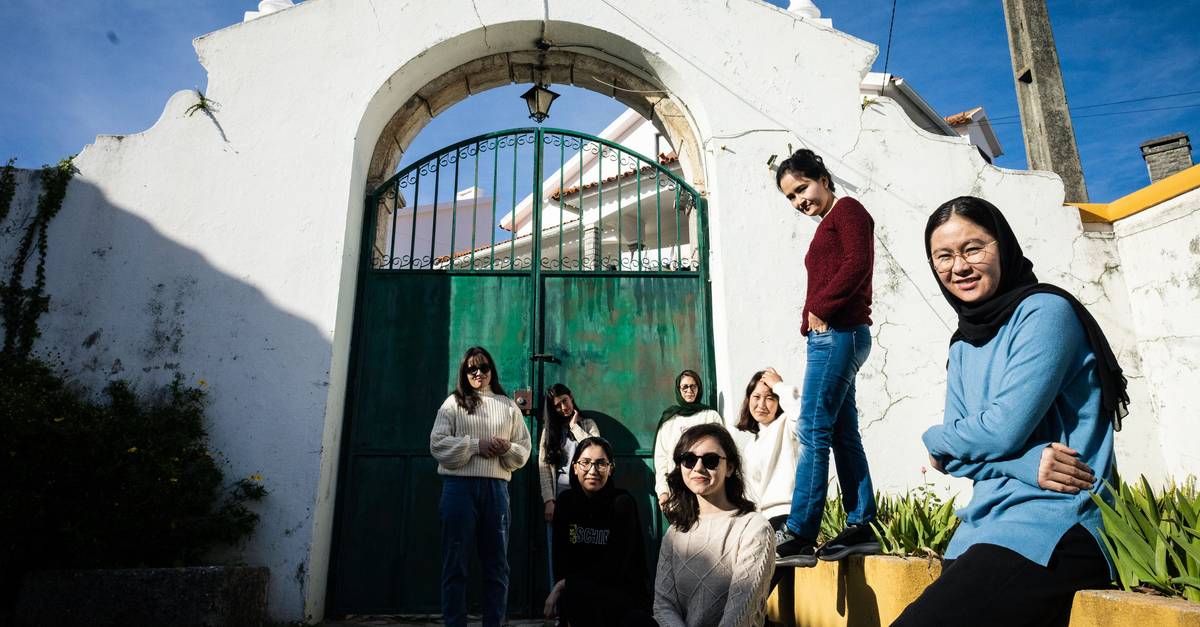
In human rights developments, eight Afghan women marked one year in Portugal after escaping severe restrictions on public life imposed by the Taliban.
Meanwhile, West African Atlantic migration arrivals to Spain dropped 78 percent during the first four months of 2026 compared to 2025. The International Organization for Migration linked the decline to tightened border enforcement between Senegal and Mauritania.
Sources: Diário de Notícias (DN), Expresso, Expresso das Ilhas, RTP (Rádio e Televisão de Portugal)