Top news

Sep 4, 2026, 11:00 AM UTC

← Latest news

01
ContinuingAI-generated
Ukrainian strikes hit Russian e-commerce hubs as casualties rise across regions

Ukrainian strikes hit Russian e-commerce hubs as casualties rise across regions

Cross-border drone strikes hit Russian e-commerce warehouses and regional infrastructure, causing casualties in several regions alongside front-line shifts.

Ukrainian drone strikes continue to target critical Russian infrastructure, hitting major e-commerce facilities across several regions. Following previous attacks on Wildberries warehouses, recent strikes targeted logistics hubs operated by rival firm Ozon, causing a fire at a facility in Dagestan and triggering an almost 30 percent decline in the company's shares.

Cross-border attacks also resulted in civilian casualties across both countries. Strikes in Moscow Oblast killed five people and injured ten, while a drone impact near a beach in Krasnodar Krai left seven dead, including three children. Meanwhile, Russian bombardments on Kyiv killed nine residents and injured 33.

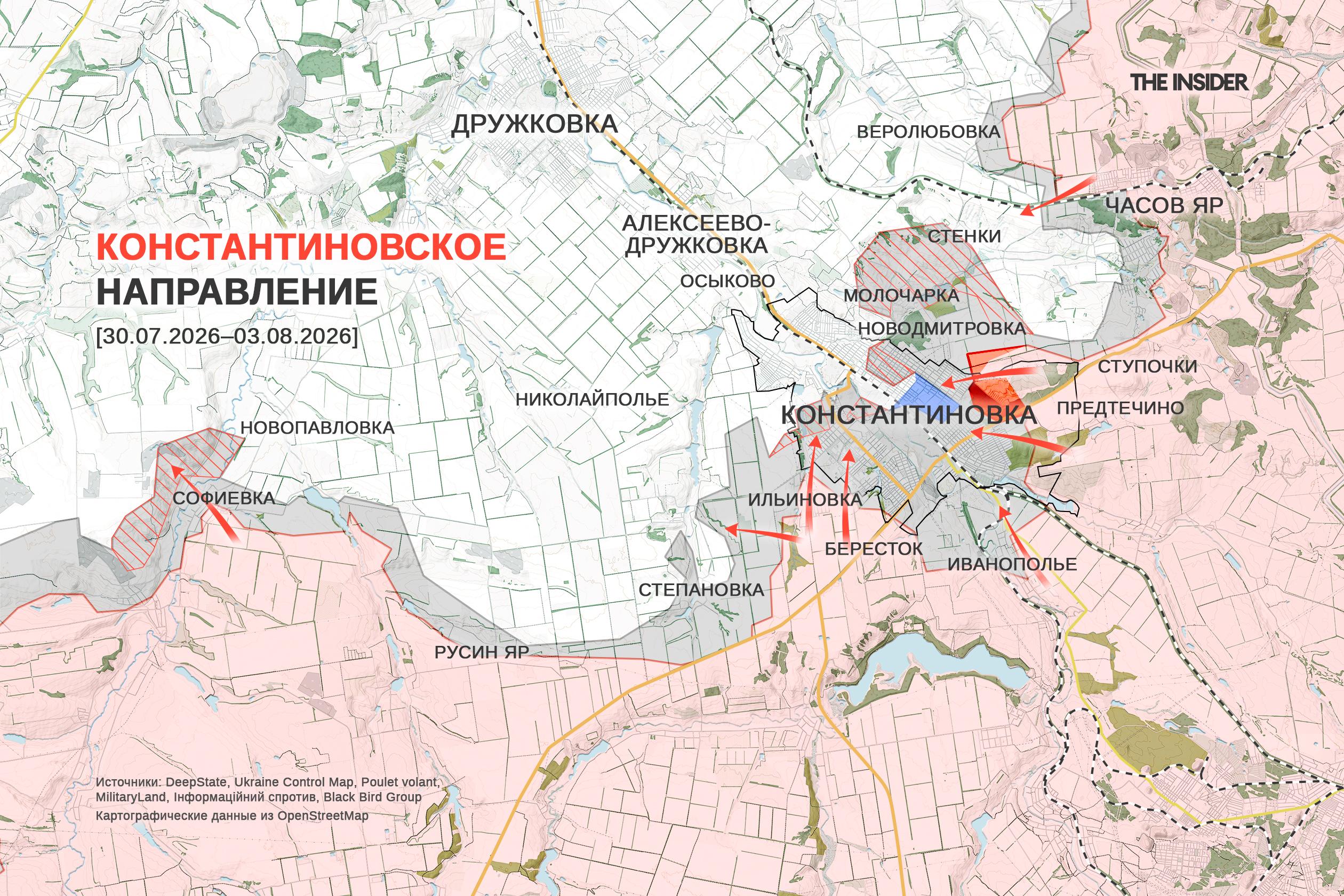
On the battlefield, Russian troops secured a tactical breakthrough near Artelne in Kharkiv Oblast, while Ukrainian forces made gains in the south near Uspenivka. Additionally, Belarus announced the creation of an air assault brigade along its border with Ukraine.

Sources: Mediazona, Point, Radio Svoboda, The Guardian, The Insider

Read more
02
ContinuingAI-generated
Russian state agencies expand digital oversight as AI adoption grows globally

Russian state agencies expand digital oversight as AI adoption grows globally

Russian authorities expand digital surveillance and financial tracking, while an experiment in San Francisco sees an AI system autonomously fire a retail employee.

Technological controls and artificial intelligence applications are expanding across regulatory and administrative domains. In Russia, state authorities are broadening digital surveillance: the Ministry of Defense drafted measures granting enlistment offices direct access to citizens' financial records and foreign passport details. Meanwhile, the Ministry of Digital Development is targeting VPN services that utilize whitelisted web infrastructure, and the Investigative Committee is deploying biometric AI software to analyze video archives. Furthermore, records show cryptocurrency exchange Binance provided user transaction data to Russian investigators, leading to charges over donations to Ukraine.

Separately, during an experiment in San Francisco by Andon Labs, Anthropic's Claude AI autonomously fired a retail worker after 17 missed shifts.

Sources: Mediazona, NEXTA, Point, The Insider, Verstka.

Read more
03
ContinuingAI-generated
Eastern German election debate intensifies over education, identity, and cultural funding

Eastern German election debate intensifies over education, identity, and cultural funding

Debates surrounding far-right sentiment in schools, cultural funding, and long-term teacher absences are intensifying ahead of eastern German state elections.

Ahead of upcoming state elections in eastern Germany, debates over education, regional identity, and cultural policy are heightening political tensions. Educators in eastern states have raised alarms regarding an increase in far-right behavior among students, including the display of prohibited symbols.

In response to historical awareness gaps, federal SED victims' commissioner Evelyn Zupke advocated for mandatory student visits to former East German memorial sites. Concurrently, cultural funding has emerged as a key campaign topic. In Saxony-Anhalt, the Alternative for Germany party proposed stripping funds from cultural institutions and memorial projects it labels "anti-German," raising concerns over Holocaust remembrance and local arts.

Adding to challenges within the education sector, data from Berlin revealed that nearly 400 public school teachers have been on continuous sick leave for over a year.

Sources: Correctiv, Der Spiegel, DW, FAZ, Tagesschau

Read more
04
ContinuingAI-generated
US and Venezuela sign 25-year oil deal as Rodríguez defends national sovereignty

US and Venezuela sign 25-year oil deal as Rodríguez defends national sovereignty

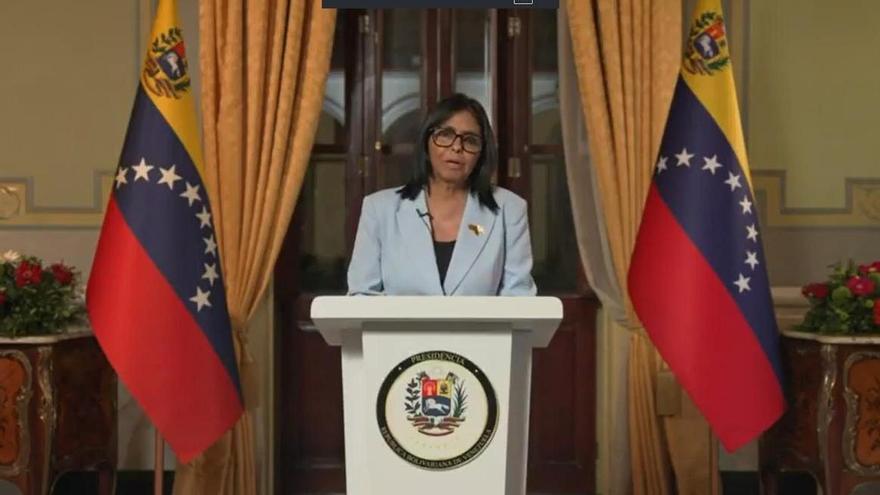
Venezuelan interim president Delcy Rodríguez confirmed a 25-year oil agreement with the US, stressing Caracas retains sovereignty over its crude reserves.

US President Donald Trump and Venezuelan interim president Delcy Rodríguez have confirmed a bilateral energy agreement covering 17 strategic petroleum fields. Trump indicated the arrangement would help replenish Washington's depleted strategic reserves. However, Rodríguez stressed in a televised address that Caracas retains "ownership and sovereignty" over its natural resources, noting the final contract limits cooperation to 25 years rather than the century-long framework requested by the US.

Venezuelan officials project the partnership will secure more than $100 billion in private sector investment while producing upwards of $200 billion in public revenue. The announcement aired across Venezuela during widespread power outages affecting multiple regions.

Sources: Canarias7, El Día, El Mundo, Expresso das Ilhas, La Vanguardia

Read more
05
ContinuingAI-generated
AfD platform faces scrutiny in Saxony-Anhalt amid strong poll numbers

AfD platform faces scrutiny in Saxony-Anhalt amid strong poll numbers

As Saxony-Anhalt prepares for regional elections, the AfD's leading poll numbers highlight intense debate over its policy agenda and governing capability.

The Alternative for Germany (AfD) party continues to face scrutiny over its policy proposals and governing readiness in Saxony-Anhalt as state elections approach. Polling indicates the party holds a strong regional lead, with top candidate Ulrich Siegmund positioned as a contender for minister-president. However, key elements of the party's platform—including plans to dissolve the public broadcaster Mitteldeutscher Rundfunk (MDR) and introduce a "patriotism clause" for state-funded civil society groups—have drawn intense debate.

Legal experts stress that constitutional constraints limit unilateral changes to public broadcasting, while analysts question whether the party possesses the coalition capacity and administrative preparedness required to govern effectively. Meanwhile, local residents and civic organizations express growing concern over the potential social impact of an AfD victory, framing the election as a critical test for regional political stability.

Sources: Correctiv, Der Spiegel, FAZ, Handelsblatt, Tagesschau.

Read more
Share