Top news

Sep 3, 2026, 07:30 AM UTC

← Latest news

01
ContinuingAI-generated
Strait of Hormuz tension rises as US and Iran exchange strikes

Strait of Hormuz tension rises as US and Iran exchange strikes

Escalation in the Strait of Hormuz intensifies following US airstrikes, Iranian retaliatory attacks, and the strike on a Saudi oil tanker.

Escalation in the Strait of Hormuz has intensified following military exchanges and the targeting of a Saudi oil tanker, which suffered a fire after being hit by three projectiles. The disruption triggered a surge in global energy prices.

United States forces launched airstrikes against Iranian facilities on Larak Island, while Iranian forces retaliated against American bases in the region. US President Donald Trump claimed Tehran is in "great difficulty" and threatened severe action, characterizing Iran as a "failed state". Meanwhile, Iranian military sources dismissed US claims that strikes neutralized mine-laying operations as "pure fantasy".

Tehran hardliners continue using control over the waterway to demand full implementation of a June memorandum, including sanctions relief and unfrozen foreign assets.

Sources: ANSA, Corriere della Sera, Il Messaggero, La Repubblica
Read more
02
ContinuingAI-generated
Ukrainian drone strikes hit Russian retail hubs as frontline fighting intensifies

Ukrainian drone strikes hit Russian retail hubs as frontline fighting intensifies

Ukrainian drone strikes targeted major Russian e-commerce hubs and regional infrastructure, alongside ongoing frontline fighting in Kharkiv and Donetsk.

Ukrainian drone attacks have hit logistics facilities across Russia, targeting warehouses operated by major e-commerce platforms Wildberries and Ozon. Strikes affected hubs in Leningrad Oblast, Moscow Oblast, and Dagestan, sparking fires and disrupting online retail operations. Ozon shares dropped nearly 30% following attacks on six of its facilities within three days.

Fatalities were reported across multiple locations, including five deaths at a warehouse in Moscow Oblast and seven on a beach in Krasnodar Krai following a drone crash. Simultaneously, Russian strikes on Kyiv left nine dead and dozens injured. On the frontlines, Russian forces achieved tactical advances near Artelne in Kharkiv Oblast, while Ukrainian troops progressed toward Uspenivka. Meanwhile, Belarus announced the creation of a new air assault brigade along its southern border.

Sources: Mediazona, Point, Radio Svoboda, The Guardian, The Insider

Read more
03
ContinuingAI-generated
U.S. and Iran trade threats over Strait of Hormuz as shipping traffic drops

U.S. and Iran trade threats over Strait of Hormuz as shipping traffic drops

Tensions rise over the Strait of Hormuz as Washington threatens military action while Tehran insists the waterway remains closed until U.S. policy changes.

Tensions in the Strait of Hormuz escalated as U.S. President Donald Trump warned of potential military action while Tehran insisted the critical waterway will remain closed until Washington alters its policies. Despite a recent vessel attack and a 20 percent weekly drop in maritime traffic, Trump claimed the strait remains "open and operational" and suggested a resolution could emerge within days. However, Iranian officials rejected direct talks with Washington, noting that current discussions with Oman center strictly on securing maritime corridors. Concurrently, broader regional negotiations faced obstacles, as Israel demanded Hamas completely disarm before withdrawing troops from Gaza, despite Hamas accepting the second phase of a U.S.-backed peace plan.

Sources: Beta, CDM (Cafe del Montenegro), Dan, Vijesti

Read more
04
ContinuingAI-generated
Ukrainian strikes hit Russian military plants as eastern front fighting intensifies

Ukrainian strikes hit Russian military plants as eastern front fighting intensifies

Ukrainian strikes targeted Russian rocket and aircraft plants in Samara, while heavy ground fighting continued along the eastern front with over 250 engagements.

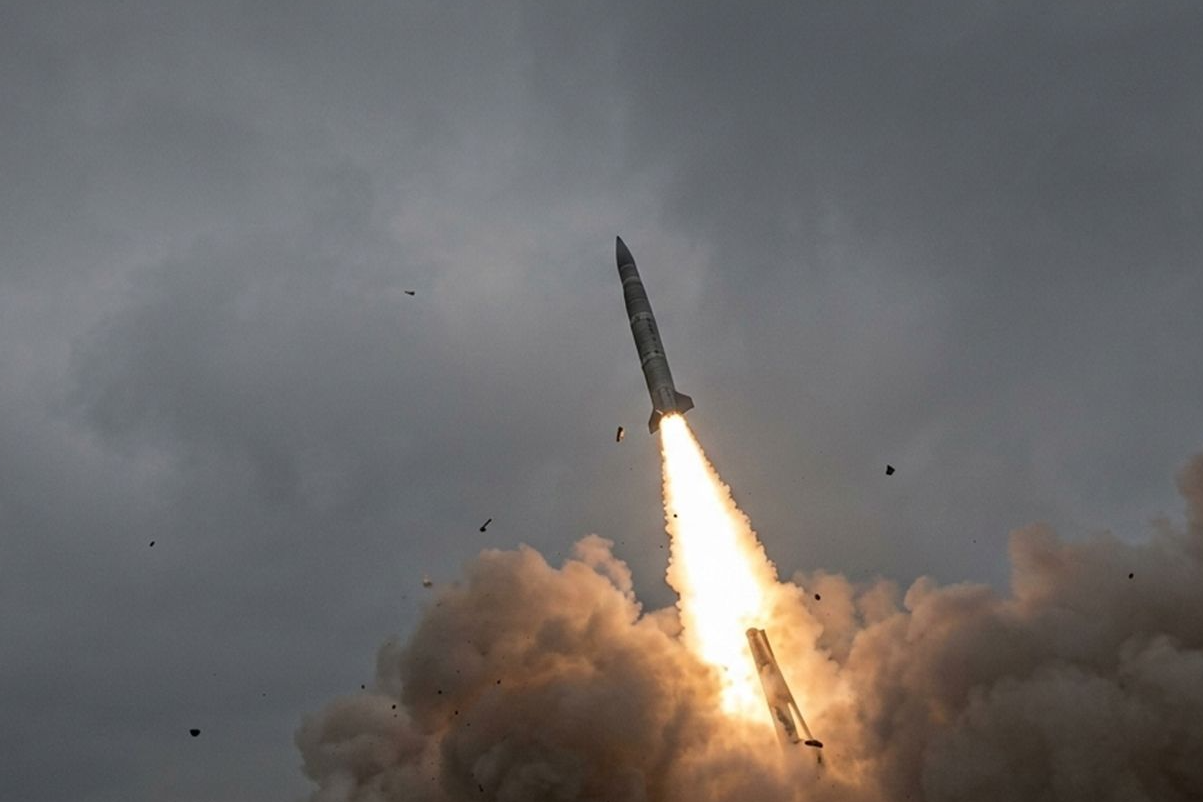
Ukrainian forces launched targeted long-range missile and drone strikes against key industrial and military sites deep inside Russian territory. Satellite imagery and regional authorities confirmed hits on facilities in the Samara region, specifically damaging the Progress Rocket Space Centre—which manufactures Soyuz rockets—and the adjacent Aviakor aircraft plant. Aerial attacks were also reported across the Nizhny Novgorod, Penza, and Rostov regions, targeting infrastructure including the Savasleyka airfield.

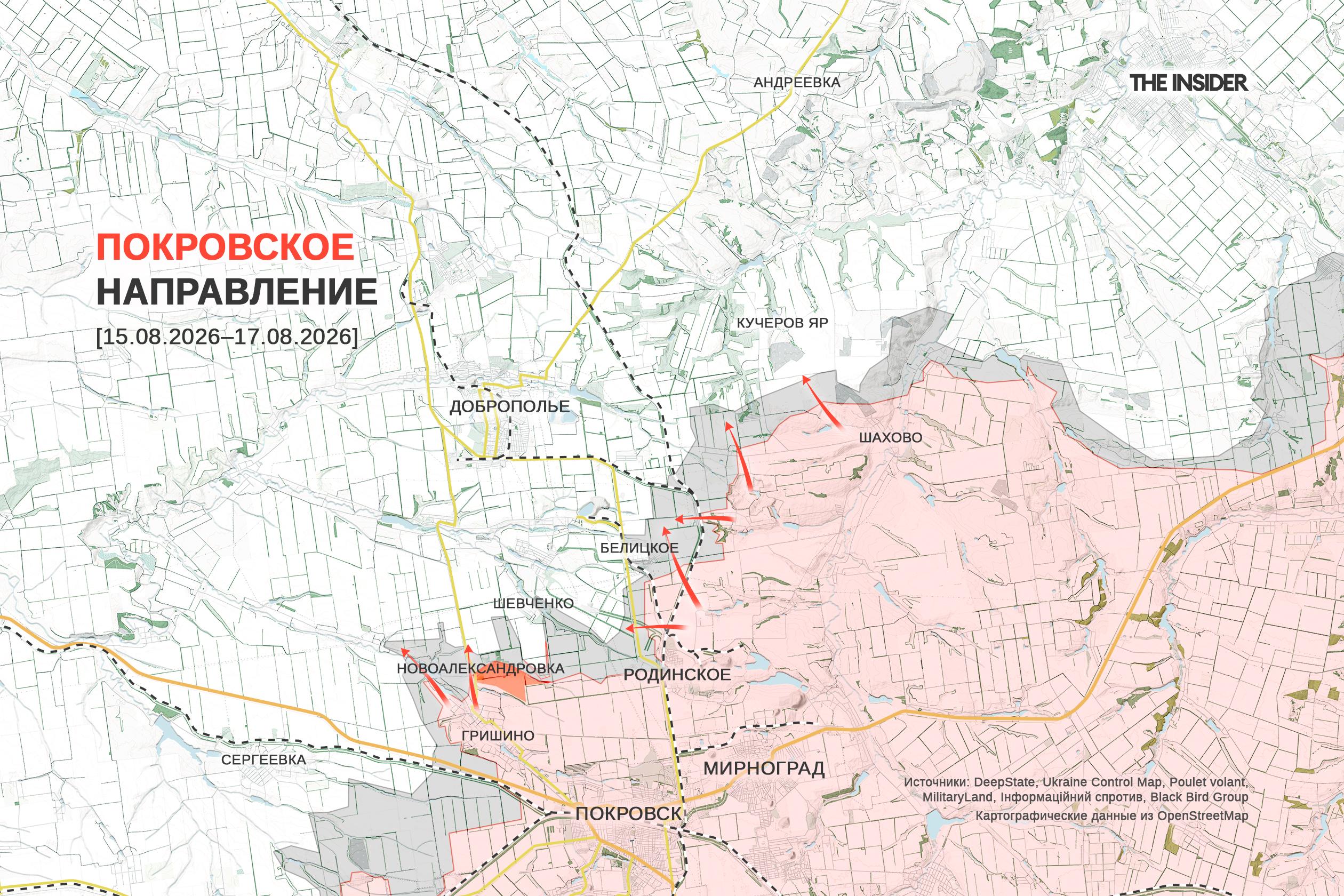
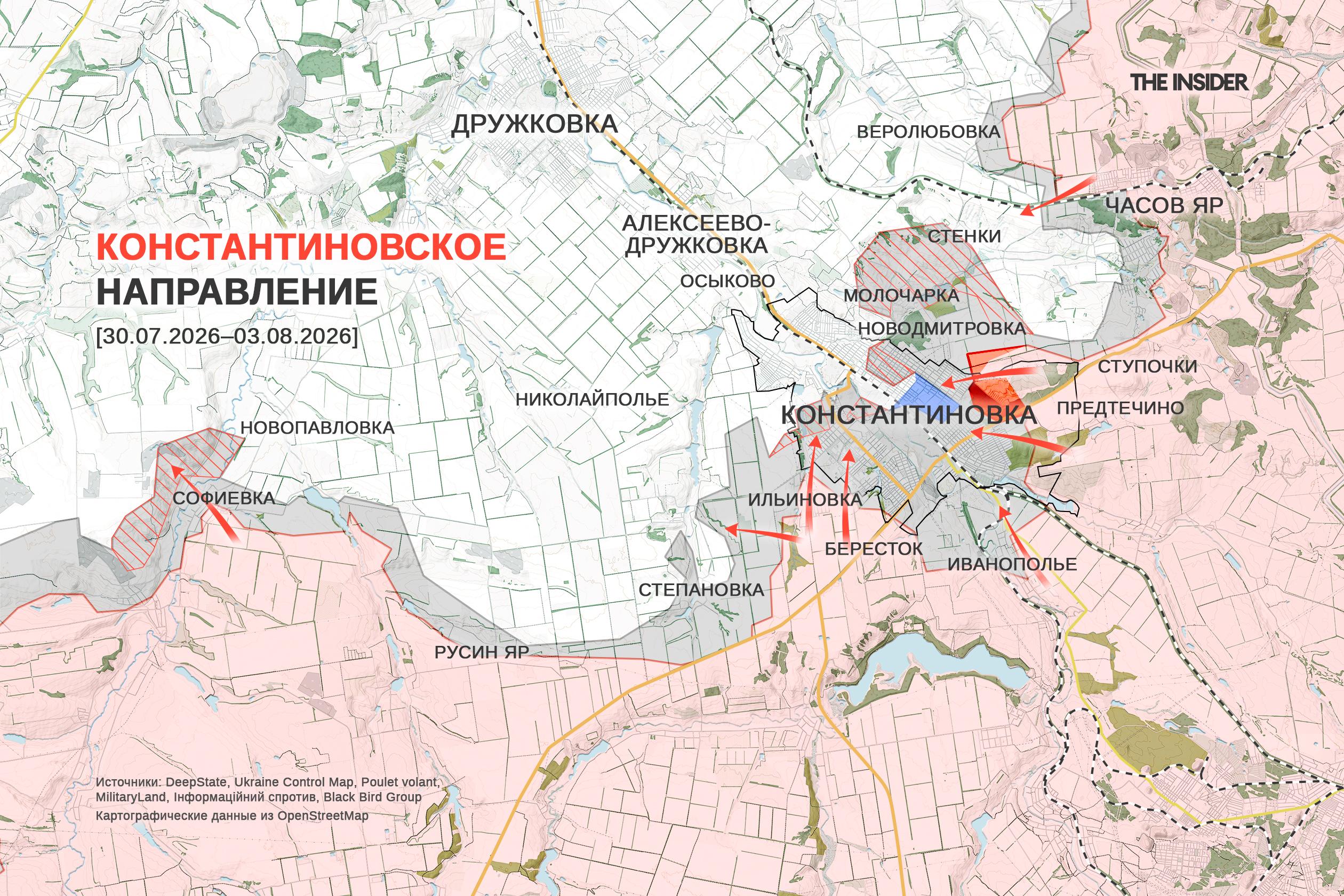
Concurrently, intense ground engagements continued along the eastern front line. Ukraine's General Staff reported 254 combat encounters in 24 hours, noting fierce Russian offensive operations in the Lyman and Kostiantynivka sectors. Russian troops also made incremental advances near Dobropillia and attempted to split Ukrainian defense positions along the Oskil River near Kupiansk.

Sources: Mediazona, Point, Radio Svoboda, The Insider, Ukrainska Pravda

Read more
05
ContinuingAI-generated
Ukraine expands domestic defense production amid delays in Western arms manufacturing

Ukraine expands domestic defense production amid delays in Western arms manufacturing

Ukraine is ramping up domestic missile and glide bomb production to address critical air defense vulnerabilities and regulatory delays in manufacturing U.S. Patriot systems.

Ukraine is accelerating domestic defense initiatives to mitigate critical interceptor shortages and counter intensified Russian ballistic missile strikes against its infrastructure. Ukrainian President Volodymyr Zelensky confirmed that bureaucratic hurdles and U.S. licensing requirements mean establishing local production of Patriot air defense systems could take up to several years.

To bridge this window of strategic vulnerability, Ukrainian companies are developing domestic ballistic missiles alongside low-cost alternatives. Defense incubator Brave1 recently helped complete testing for DG Industry's "Equalizer" guidance kit, which converts conventional aerial bombs into long-range precision glide munitions. The technology aims to lessen dependence on Western military aid while enabling strikes from existing Ukrainian aircraft and future Western jets. Analysts emphasize that scaling up native production remains essential as foreign interceptor supplies struggle to meet operational demand.

Sources: NEXTA, NV, Point, The Insider, Українська правда.

Read more
Share