Top news

Aug 29, 2026, 01:30 PM UTC

← Latest news

01
ContinuingAI-generated
Concerns grow over Russian submarine activity near Iceland as Ukrainian air defenses remain strained

Concerns grow over Russian submarine activity near Iceland as Ukrainian air defenses remain strained

Mounting concerns over Russian submarine activity near Iceland coincide with ongoing Ukrainian air defense shortages and frontline manpower challenges.

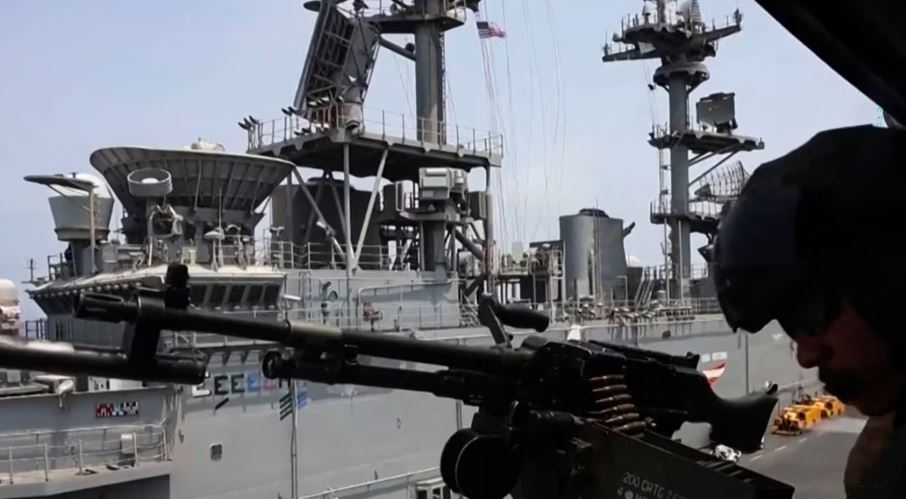
Concerns over North Atlantic maritime security are mounting amid reports of increased Russian submarine activity near Iceland, NATO's only member state without a standing military. Strategic analyses highlight the island nation's vulnerable position along vital Atlantic supply corridors following the historical departure of permanent U.S. military forces.

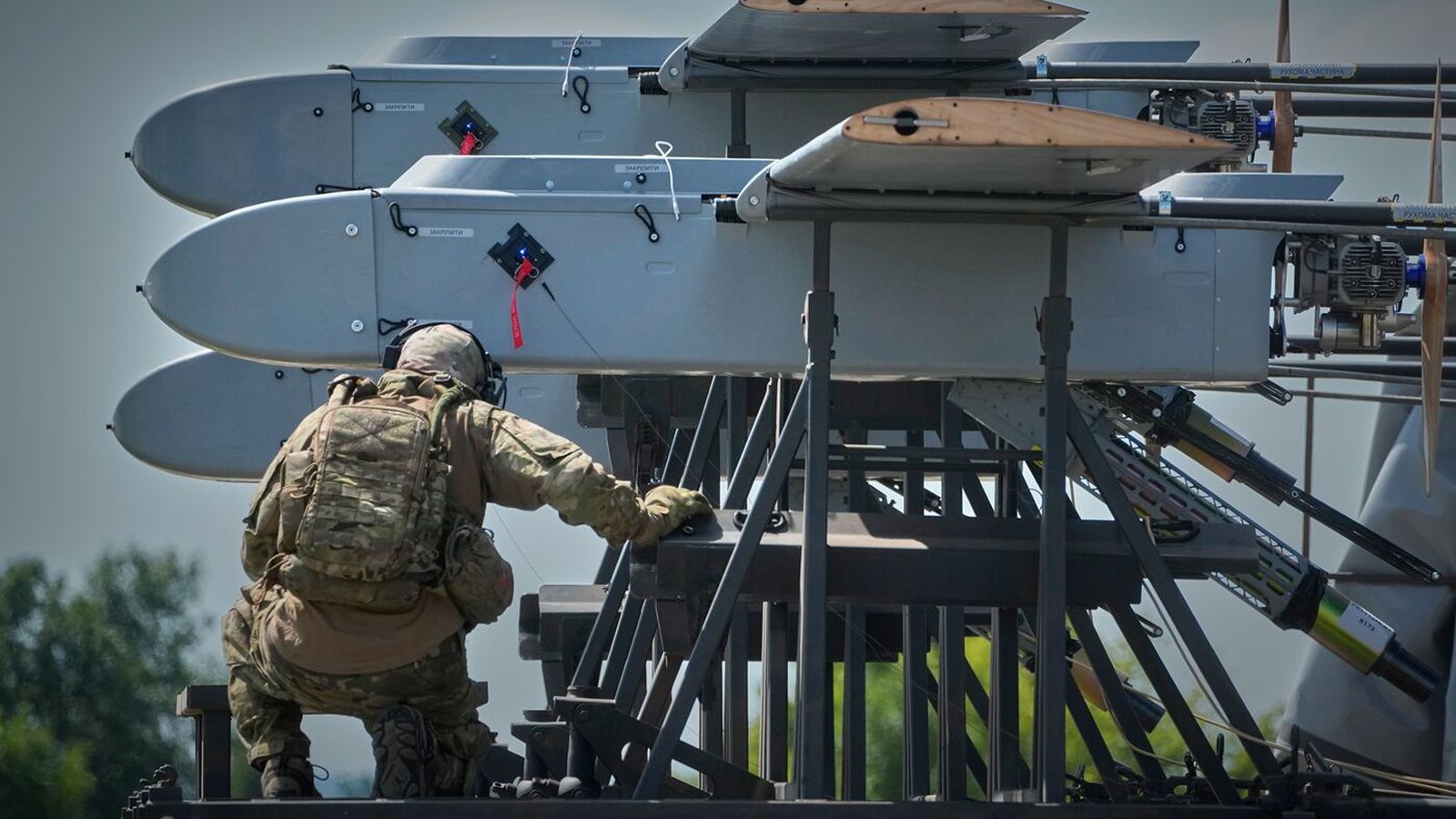
Simultaneously, Ukrainian forces face ongoing defensive challenges along the eastern front. Ukrainian commanders are focused on limiting troop casualties amid persistent manpower shortages, which could intensify if Russia conducts another military mobilization. While both sides increasingly rely on long-range suicide drones and missiles, Ukrainian air defenses remain severely constrained by a critical shortage of interceptor missiles needed to defend against Russian strikes.

Sources: Morgunblaðið, Vísir.
Read more
02
ContinuingAI-generated
Stalled US-Iran negotiations and Hormuz tensions spark broader geopolitical concerns

Stalled US-Iran negotiations and Hormuz tensions spark broader geopolitical concerns

Six months after US and Israeli airstrikes, Tehran retains leverage over the Strait of Hormuz while US-Iran peace talks remain stalled.

Six months after American and Israeli airstrikes targeted Iranian facilities, strategic analysts report that Tehran retains leverage over the Strait of Hormuz despite sustaining heavy military damage. Peace negotiations between Washington and Iran have deadlocked, leading Iranian officials to caution that Tehran may shift toward a full military offensive if diplomatic options are exhausted.

Simultaneously, geopolitical commentators, including former diplomat Zef Mazi, note that the ongoing Middle Eastern escalation intersects with broader international rivalries involving the United States, Russia, and China. At the same time, localized flashpoints—such as water security debates surrounding the Ibër River in the Balkans—highlight how regional disputes persist alongside global security shifts. Analysts indicate that the next phase of the confrontation will largely depend on policy decisions made in Washington and Tehran.

Sources: BalkanWeb, Gazeta Tema, Koha

Read more
03
ContinuingAI-generated
Iran maintains Strait of Hormuz blockade as talks show mixed progress

Iran maintains Strait of Hormuz blockade as talks show mixed progress

Six months into the Strait of Hormuz closure, Tehran insists on sanction relief before reopening, despite US threats and ongoing mediation via Oman.

Six months after maritime traffic through the Strait of Hormuz collapsed from 95 to roughly 15 daily transits, diplomatic negotiations and military rhetoric remain sharply divided. United States President Donald Trump expressed optimism about a potential agreement while warning Tehran that it would be hit "very strongly" if the critical waterway does not reopen soon.

Concurrently, Iranian diplomatic representatives stated that the strait will remain closed until Washington meets key demands, including lifting energy sanctions, releasing frozen assets, and ending military operations. Despite confirming a technical agreement with Oman regarding a secure transit route, high-ranking Revolutionary Guard commanders rejected American pressure, threatening "strategic surprises" and vowing not to concede before achieving a military defeat of US forces.

Sources: Diário de Notícias (DN), Expresso, Expresso das Ilhas, Jornal Económico, RTP.

Read more
04
ContinuingAI-generated
Trump pursues policy shifts amid economic concerns and diplomatic cuts

Trump pursues policy shifts amid economic concerns and diplomatic cuts

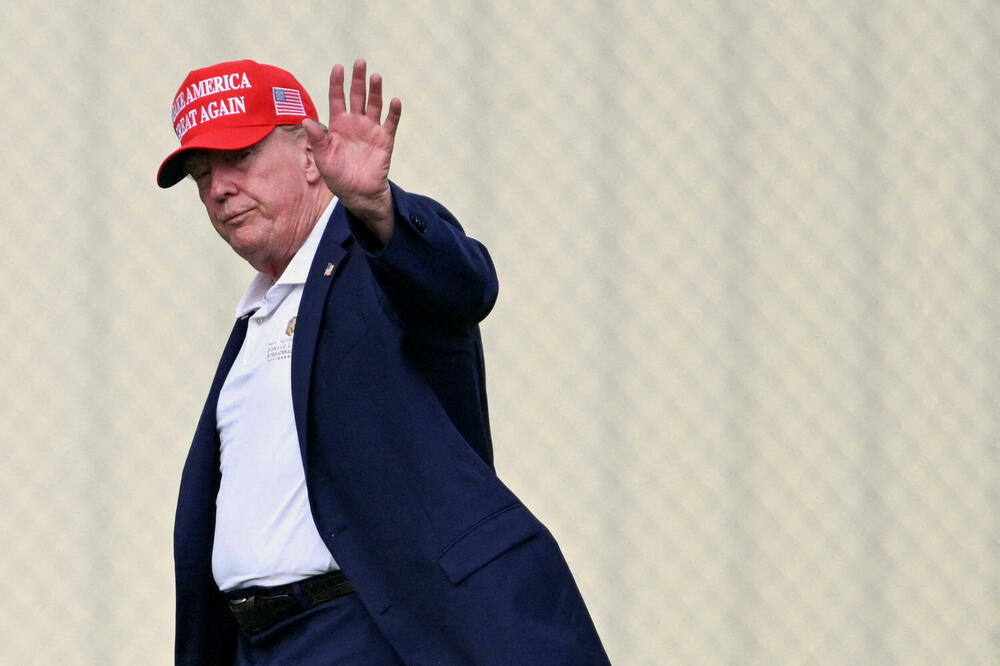
US President Donald Trump has issued new executive orders targeting birthright citizenship while moving to close five overseas diplomatic posts amid growing domestic economic concerns.

US President Donald Trump is pursuing controversial policy initiatives despite mounting domestic and international challenges. Following a Supreme Court rejection of earlier efforts, Trump signed two executive orders aimed at restricting birthright citizenship and banning birth tourism.

Simultaneously, the State Department notified Congress of plans to close five overseas diplomatic missions in Africa, Asia, North America, and the Caribbean as a cost-saving measure. Foreign policy analysts warned that reducing America's diplomatic footprint could allow China to expand its global reach.

Domestically, a Financial Times and Focaldata survey revealed that a majority of registered US voters feel financially worse off during Trump's second term. Media commentary highlights a growing disconnect between the administration's expanded executive authority and its diminishing strategic impact abroad.

Sources: Avaz, CDM, Danas, N1, Vijesti.

Read more
05
ContinuingAI-generated
Ukraine votes on defense minister amid political friction and Russian strikes

Ukraine votes on defense minister amid political friction and Russian strikes

Ukrainian lawmakers prepare to confirm a new defense minister as former official Mykhailo Fedorov presses for wartime elections amid Russian strikes.

Ukrainian lawmakers are preparing to vote on confirming Yevhenii Khmara as defense minister following the dismissal of Mykhailo Fedorov. Fedorov, who was removed after reported leadership disputes, renewed calls for wartime elections, asserting that "democracy cannot be held hostage by Russia." The political friction unfolds alongside anti-corruption investigations targeting figures associated with the presidential administration.

Simultaneously, Russian forces carried out widespread missile and drone attacks across Ukrainian regions, including Kyiv, Kharkiv, and Zaporizhzhia, inflicting civilian casualties and damaging infrastructure. President Volodymyr Zelensky pledged that Ukraine will respond to the strikes. Ukrainian forces subsequently launched a wave of drones targeting Moscow, several of which were intercepted over Russian territory.

Sources: ANSA, Corriere della Sera, Il Messaggero, La Repubblica.

Read more
Share