Top news

Aug 28, 2026, 07:00 PM UTC

← Latest news

01
ContinuingAI-generated
UK and Ukraine launch AI defense partnership amid global surge in military automation

UK and Ukraine launch AI defense partnership amid global surge in military automation

Ukraine and the UK signed an AI defense deal using battlefield data to counter drones, as global militaries accelerate AI adoption.

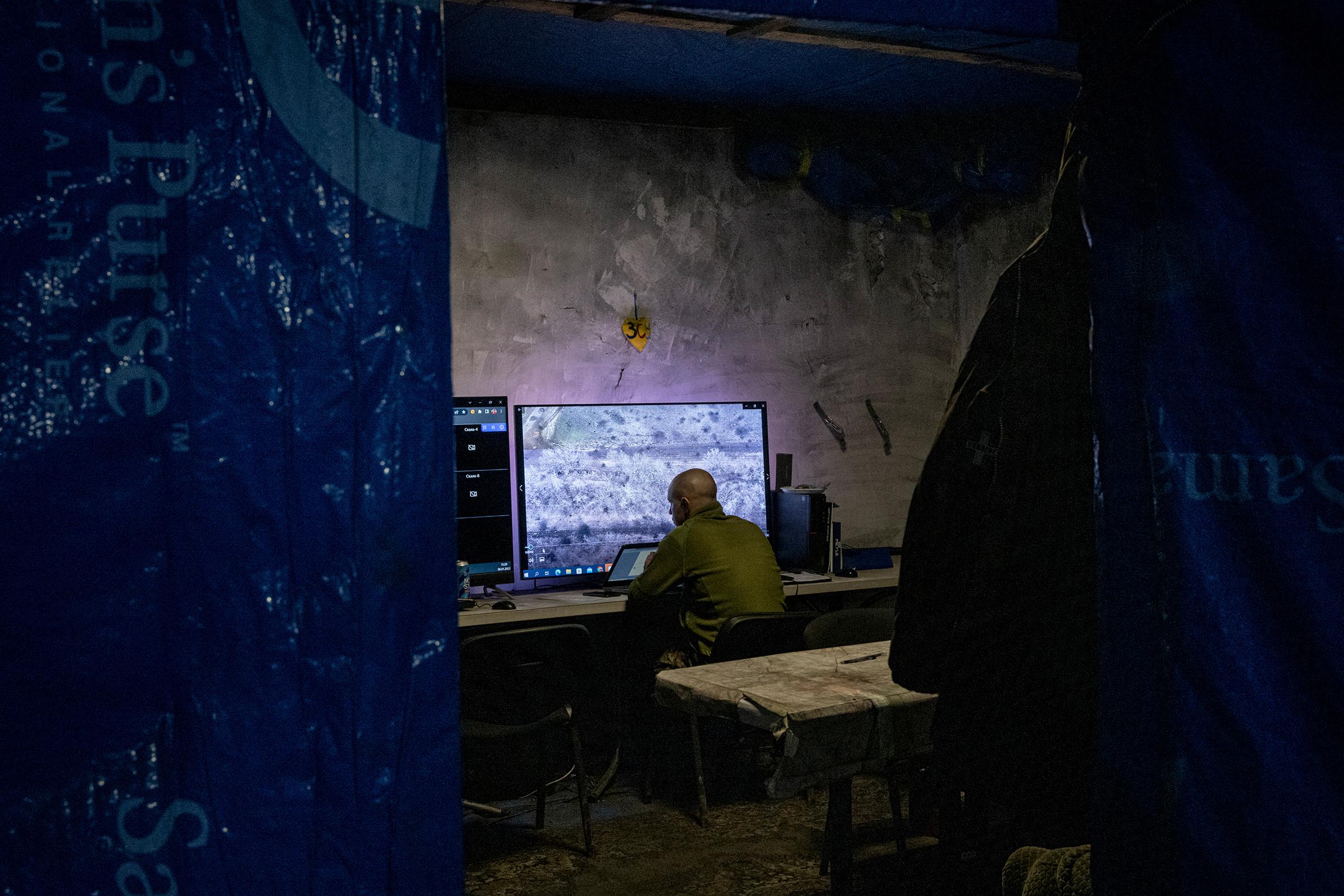
Ukraine and the United Kingdom have finalized a defense partnership integrating artificial intelligence into battlefield management and infrastructure protection. Under the agreement signed in Kyiv by British Prime Minister Andy Burnham and Ukrainian President Volodymyr Zelenskyy, London receives access to real-time footage through Ukraine's Avengers AI Labs. The data will train algorithms to safeguard critical sites, including airports and power grids, against incoming drone attacks.

Former Google chief executive Eric Schmidt characterized the conflict as "one of the biggest revolutions in the history of warfare." Ukrainian analysts emphasized that military automation provides crucial asymmetric capabilities to compensate for troop shortages and protect personnel. Concurrently, international adoption of defense automation is expanding, with China's People's Liberation Army implementing specialized AI software to coordinate complex, multi-target air operations.

Sources: NEXTA, NV, Point, The Insider, Українська правда
Read more
02
ContinuingAI-generated
Ukrainian strikes hit Russian military plants as frontline clashes exceed 250 in a day

Ukrainian strikes hit Russian military plants as frontline clashes exceed 250 in a day

Ukrainian strikes targeted Russian rocket and aircraft plants in Samara, while Russian forces mounted over 250 attacks across eastern fronts, pushing near Pokrovsk and Kupiansk.

Ukrainian long-range strikes targeted key Russian industrial and defense facilities, including the Progress Rocket Space Centre and the Aviakor aircraft repair plant in Samara. Satellite imagery and regional reports indicated damage across the industrial complex, alongside reported aerial attacks in the Nizhny Novgorod, Penza, and Rostov regions, potentially impacting the Savasleyka airfield. Concurrently, Russian forces launched a missile strike against a major Ukrainian metallurgical enterprise.

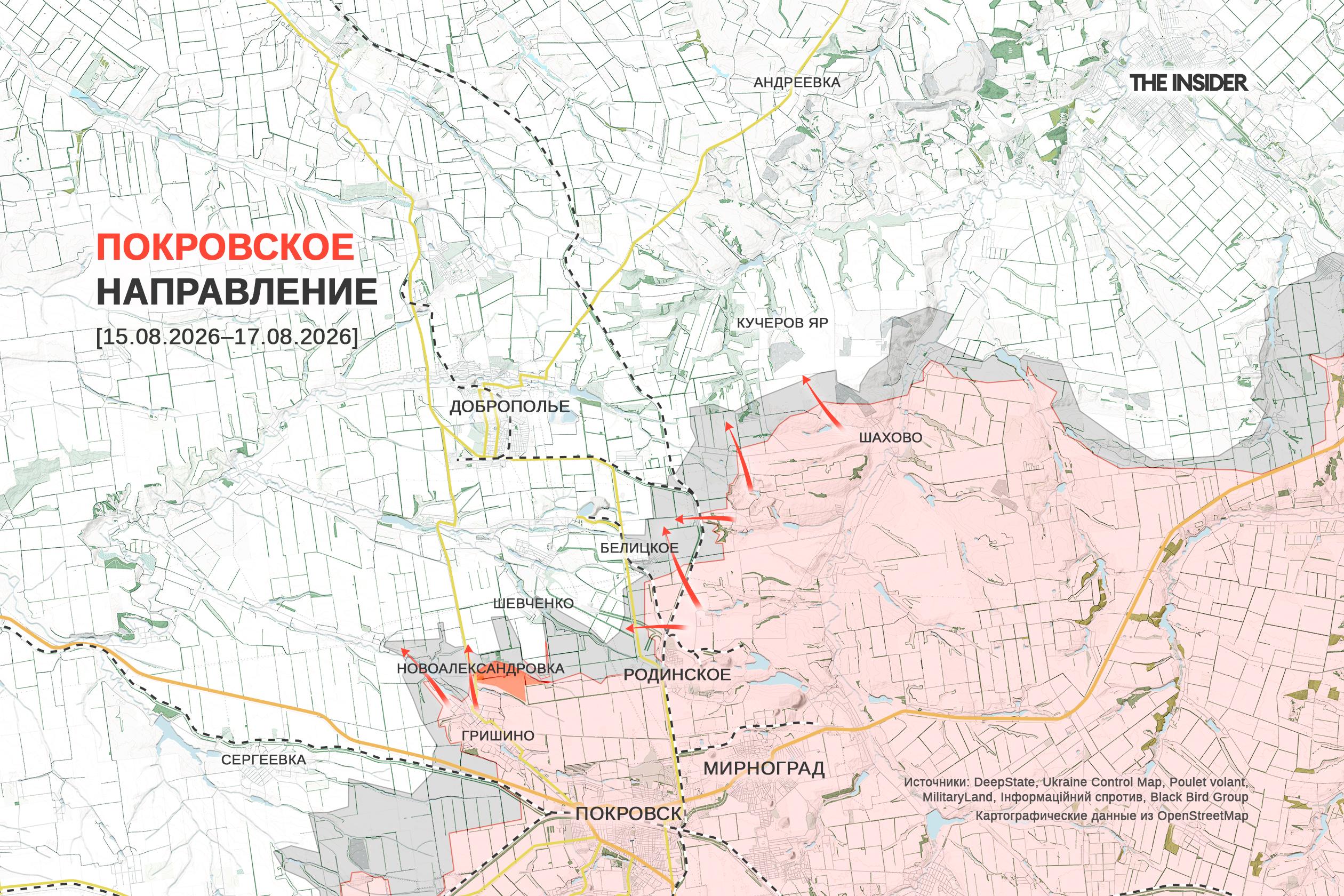
On the ground, Ukraine’s General Staff recorded 254 combat engagements in 24 hours. Russian forces concentrated heavy assaults on the Lyman and Kostyantynivka sectors, launching over 30 attacks in each area. Russian units also expanded their zone of control south of Dobropillia near Pokrovsk, pushed toward dividing Ukrainian positions along the Oskil River near Kupiansk, and mounted flag-raising operations on the southern Donetsk front to assert territorial gains.

Sources: Mediazona, Point, Радіо Свобода, The Insider, Українська правда.

Read more
03
ContinuingAI-generated
Russian strikes in Dnipropetrovsk kill five and injure 16

Russian strikes in Dnipropetrovsk kill five and injure 16

Russian attacks across five districts in Ukraine's Dnipropetrovsk region left five civilians dead and 16 injured over a 24-hour period, emergency services reported.

Russian forces executed nearly 60 attacks across five districts in Ukraine's central Dnipropetrovsk region over a 24-hour period, according to local emergency officials. The strikes left five civilians dead and 16 others wounded.

The casualties were concentrated in the Kamianske district, where three individuals were killed and five injured, and the Pavlohrad district, which reported two fatalities and seven injuries. Additional casualties and widespread destruction were documented in the Nikopol district, where heavy artillery and drone strikes targeted civilian infrastructure. Emergency crews deployed across the affected communities to extinguish blazes caused by the bombardments and search through damaged buildings for survivors.

Sources: Ziarul de Gardă

Read more
04
ContinuingAI-generated
US expresses optimism over Hormuz deal despite Tehran's denial

US expresses optimism over Hormuz deal despite Tehran's denial

US officials express hope for a deal to reopen the Strait of Hormuz, though Iran denies direct talks and agrees on an alternative corridor with Oman.

Diplomatic efforts led by Qatar to reopen the Strait of Hormuz continue as United States officials expressed optimism about reaching a resolution. According to Qatari mediators, talks with Iranian leadership aim to restore maritime freedom and return to previous navigation arrangements.

However, Tehran denied direct negotiations with Washington, announcing instead a separate agreement with Oman regarding an alternative shipping route. Iranian officials stated the new corridor depends on third parties avoiding interference. Meanwhile, United States President Donald Trump stated he would demand financial compensation from Iran for historical regional attacks, a condition observers note complicates potential breakthroughs.

Sources: La Tribune, Le Figaro, Le Monde, Libération, RTBF Info.

Read more
05
ContinuingAI-generated
Poland's budget deficit rises past 141 billion zlotys as economic risks grow

Poland's budget deficit rises past 141 billion zlotys as economic risks grow

Poland's state budget deficit hit 141 billion zlotys by late July as economists warn of long-term structural risks to the nation's growth model.

Poland’s state budget deficit reached 141 billion zlotys by late July, rising from 123.7 billion zlotys at the end of June, according to preliminary data from the Ministry of Finance. Total revenues reached nearly 333.9 billion zlotys, while expenditures climbed to almost 475 billion zlotys, with both representing roughly 51.6% of full-year targets.

The widening fiscal gap coincides with warnings from economists regarding Poland's long-term growth model. European Commission projections suggest Poland could record the highest budget deficit relative to GDP in the European Union by 2026. Financial analysts emphasize that relying on private consumption is no longer sufficient. Sustaining economic competitiveness will require structural shifts, including increased capital investment, capital market development, managing high energy costs, and addressing labor market constraints.

Sources: Money, Rzeczpospolita, TVP info

Read more
Share