Top news

Aug 26, 2026, 01:30 PM UTC

← Latest news

01
ContinuingAI-generated
Casualties mount across Ukraine and Russia following heavy air strikes and drone attacks

Casualties mount across Ukraine and Russia following heavy air strikes and drone attacks

Russian air strikes inflict heavy casualties in Kyiv while Ukrainian drones target Russian regions and defense perimeters around Moscow tighten.

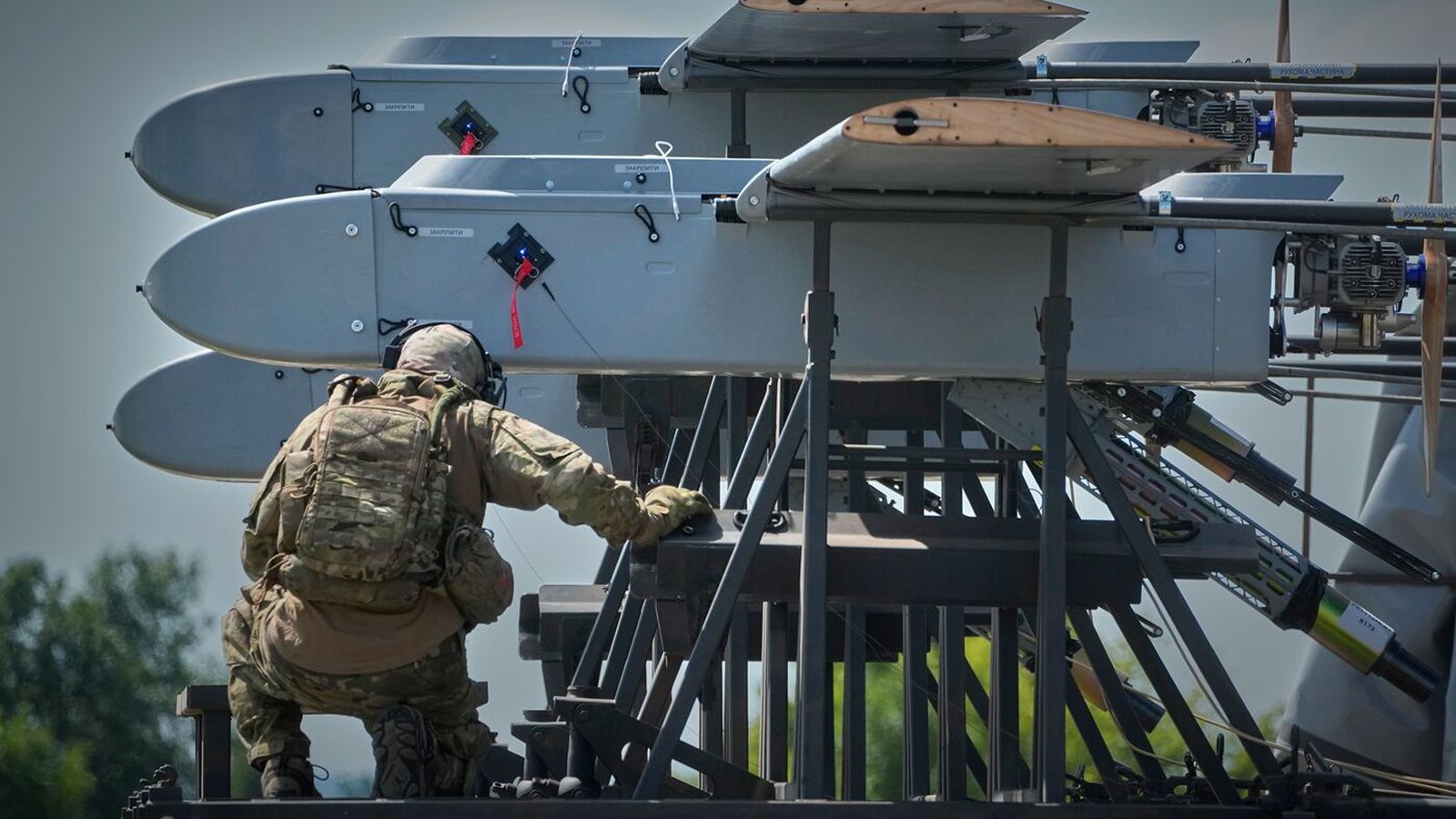
Russian air strikes and glide bomb attacks across Ukraine have caused significant civilian casualties, including at least 17 deaths in the Kyiv region, prompting President Volodymyr Zelensky to urgently request additional Western air defense interceptors. Meanwhile, Ukrainian forces launched counterattacks using long-range drones, targeting locations near Belgorod, Crimea, Gelendzhik, and the outskirts of Moscow.

In response to Ukrainian aerial operations, Kyiv reported that Russian military command redeployed air defense assets from other fronts to form three concentric protective rings around Moscow and Saint Petersburg. Diplomatically, Zelensky stated that Ukrainian troops would not voluntarily withdraw from the Donbas region and voiced confidence in future American security commitments, as political debate in Washington continues regarding sensitive defense technology transfers.

Sources: ANSA, Corriere della Sera, Il Messaggero, La Repubblica, La Stampa.
Read more
02
ContinuingAI-generated
Ukraine frontline pressure and Atlantic submarine fears highlight European security risks

Ukraine frontline pressure and Atlantic submarine fears highlight European security risks

European security analysts highlight Ukraine's air defense vulnerabilities and growing NATO concerns over Russian submarine operations near Iceland.

European defense analysts continue to monitor twin security challenges across Ukraine and the North Atlantic. In Ukraine, military forces face ongoing pressure along the frontline while managing severe personnel shortages, which could intensify if Russia executes another military mobilization. Both nations are increasingly deploying long-range strike drones and cruise missiles, though Ukrainian forces remain vulnerable to aerial bombardment due to critically low stocks of air defense interceptors.

Meanwhile, attention has turned to strategic maritime passages in the High North. Reports highlighting renewed concerns over Russian submarine operations around Iceland—NATO's sole member without a standing army—point to potential vulnerabilities in Atlantic shipping lanes. Reminders of World War II strategic assessments emphasize Iceland's pivotal position for Western defense, underscoring broader Allied efforts to bolster air and naval surveillance across key choke points.

Sources: Morgunblaðið, Vísir

Read more
03
ContinuingAI-generated
Kremlin crackdowns and succession questions highlight growing pressure on Russia

Kremlin crackdowns and succession questions highlight growing pressure on Russia

Russia faces internal political crackdowns, mobilization fears, and succession uncertainty as Western intelligence warns of potential NATO tests.

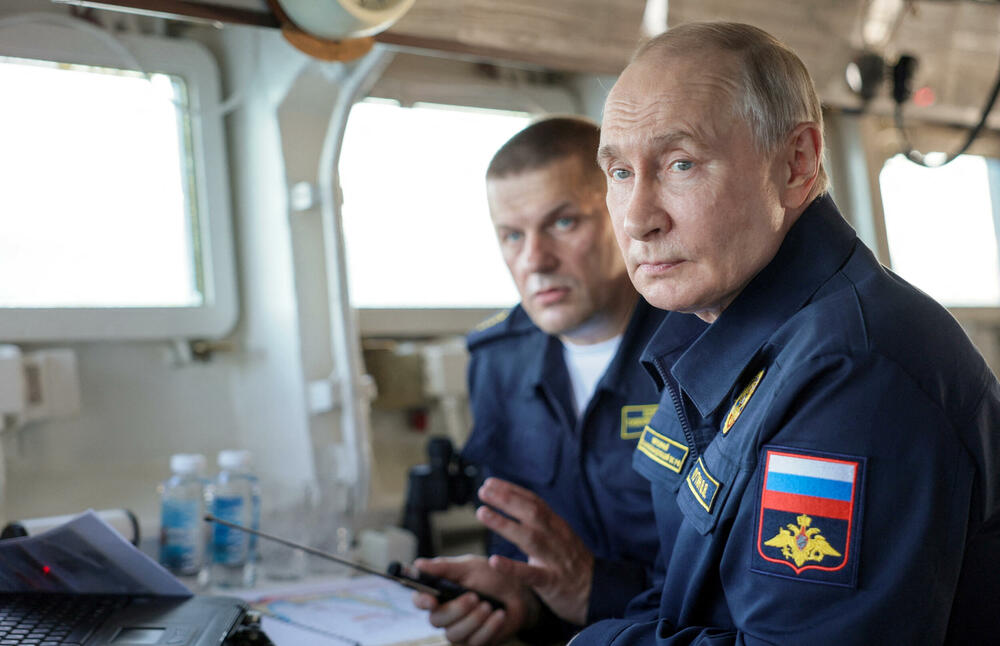
As Russia prepares for upcoming parliamentary elections, the Kremlin continues to tighten its grip on domestic opposition while facing systemic long-term risks. Authorities recently banned Yabloko, the country's sole remaining anti-war political party, and sentenced senior member Lev Shlosberg to 11 years in prison. Public concern over potential military mobilization following the vote has reportedly led some citizens to sell property and prepare to leave the country.

Simultaneously, analysts note internal vulnerabilities, including recurring late-summer political strains known as "Black August" and the lack of a clear succession strategy for 73-year-old President Vladimir Putin. On the international stage, Western intelligence agencies warn that Moscow could test NATO's collective defense commitment through hybrid operations or limited military incursions in the coming years.

Sources: Avaz, Danas, Index, Klix, Vijesti

Read more
04
ContinuingAI-generated
Israel rejects disarmament proposal as strikes continue across Gaza and Lebanon

Israel rejects disarmament proposal as strikes continue across Gaza and Lebanon

Israel rejected a 15-point Gaza disarmament plan while launching strikes in Khan Younis and southern Lebanon amid heightened regional rhetoric.

Geopolitical tension across the Middle East continues as Israeli forces carried out targeted operations in Gaza and southern Lebanon while diplomatic efforts faltered. Prime Minister Benjamin Netanyahu formally rejected a 15-point disarmament plan presented by a US-backed peace committee, asserting that Hamas used negotiations to delay military action. However, Israeli leadership tacitly authorized initial reconstruction in southern Gaza.

In southern Lebanon, strikes on Tebnine and al-Mansouri killed one person and wounded eleven during ongoing talks in Rome. Israeli military officials stated the strikes targeted Hezbollah infrastructure following truce violations. Concurrently, Israeli forces killed a Hamas commander in Khan Younis allegedly preparing an attack.

Meanwhile, US President Donald Trump highlighted expanding economic pressure on Iran, while Iranian military leaders warned against ground incursions and state media reported liquidating two foreign intelligence agents.

Sources: CDM (Cafe del Montenegro), Dan, Danas, Klix, N1

Read more
Share