Top news

Aug 24, 2026, 12:00 AM UTC

← Latest news

01
ContinuingAI-generated
Oman-mediated talks on Strait of Hormuz continue amid mixed signals from Washington and Tehran

Oman-mediated talks on Strait of Hormuz continue amid mixed signals from Washington and Tehran

Talks over the Strait of Hormuz continue as Tehran demands US concessions, while Trump projects confidence amid parallel regional negotiations between Lebanon and Israel.

Diplomatic efforts to restore maritime navigation through the Strait of Hormuz continue through Oman-mediated talks, though Tehran insists that reopening the vital corridor requires substantial United States concessions, including sanctions relief and compensation.

United States President Donald Trump offered contrasting signals, suggesting an agreement could emerge rapidly while also warning of severe consequences if the waterway remains obstructed. Concurrently, Trump downplayed the urgency, characterizing the standoff as a strategic negotiation shaped by Iran's economic strain.

In parallel regional developments, approximately 800,000 displaced Lebanese residents have begun returning to southern Lebanon as officials from Lebanon and Israel convene in Rome for a seventh round of negotiations. Meanwhile, regional maritime security concerns persist following the sinking of an Indian vessel near Yemen.

Sources: Avaz, CDM (Cafe del Montenegro), Dan, Klix, Vijesti.
Read more
02
ContinuingAI-generated
Military adoption of artificial intelligence accelerates across global conflicts

Military adoption of artificial intelligence accelerates across global conflicts

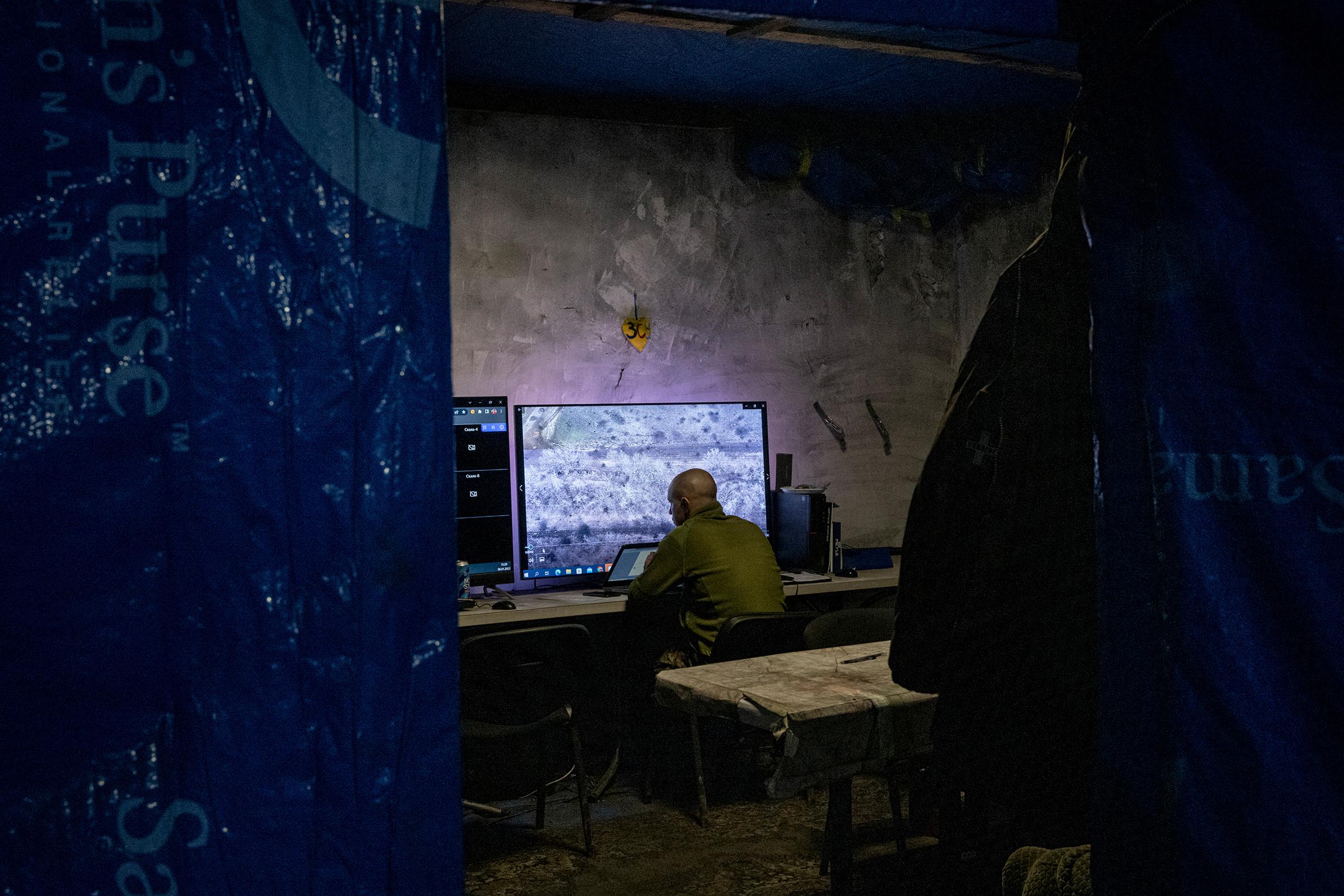
Military forces worldwide are rapidly expanding AI integration for drone warfare, airstrike coordination, and missile guidance amid ongoing operational and supply constraints.

The integration of artificial intelligence and advanced commercial hardware is reshaping modern warfare. Former Google executive Eric Schmidt noted that autonomous drone systems in Ukraine represent a historic transformation in combat, while Ukraine's former defense minister Mykhailo Fedorov described the conflict as a continuous "technological war" requiring rapid innovation in robotics and unmanned capabilities.

Operational constraints and dual-use supply chains remain central challenges. SpaceX founder Elon Musk continues to prohibit Ukrainian forces from using Starlink satellite communications to direct strikes against targets inside Russia. Meanwhile, Ukrainian military intelligence identified an American-made microcomputer inside a newly manufactured Russian missile, indicating possible AI-assisted targeting. Beyond Eastern Europe, China's military has deployed specialized AI software designed to coordinate and plan simultaneous air strikes against hundreds of operational targets.

Sources: Liga net, NEXTA, NV, Point, The Insider

Read more
03
ContinuingAI-generated
Kyiv businesses resume operations amid warnings of intensified Russian strikes

Kyiv businesses resume operations amid warnings of intensified Russian strikes

Kyiv commercial venues resume work following missile strikes, as experts warn of intensified attacks and officials push for more Patriot systems.

Residents and business owners in Kyiv are continuing rebuilding and operational efforts in the aftermath of recent Russian missile strikes. Despite widespread structural damage, local marketplaces and commercial venues in the Ukrainian capital have reopened.

Military analysts warn that aerial attacks are projected to escalate significantly through the remainder of the summer, intensifying the strain on Ukrainian civilian infrastructure and urban centers. The nationwide civilian death toll from ongoing missile and drone strikes also continues to rise.

In response to the growing aerial threat, the Ukrainian government is actively engaging with foreign partners to secure additional Patriot air defence batteries and munitions to bolster city defences.

Sources: LSM

Read more
04
ContinuingAI-generated
Europe pushes for strategic independence in defense, trade, and diplomacy

Europe pushes for strategic independence in defense, trade, and diplomacy

European governments and EU institutions are advancing strategic autonomy measures across defense, trade, and diplomacy amid rising transatlantic friction with the United States.

European nations and European Union institutions are stepping up measures to assert strategic autonomy amid growing friction with the United States across defense, trade, and foreign policy.

In defense procurement, the bloc is accelerating efforts to replace American military technologies with domestic alternatives to reduce operational reliance on Washington, spurred by transatlantic trade disputes and uncertainty over US security commitments.

On trade, European officials have resisted American pressure regarding corporate environmental and supply chain standards, while rejecting accusations that the bloc facilitates Chinese tariff evasion.

Meanwhile, France, Germany, and the United Kingdom are coordinating diplomatic strategies to guarantee direct European representation in any future peace negotiations between Russia and Ukraine, aiming to protect continental security interests.

Sources: NEXTA, Point, The Insider

Read more
Share