Top news

Aug 23, 2026, 09:00 PM UTC

← Latest news

01
ContinuingAI-generated
Spain and Morocco boost Ceuta border security amid new online crossing calls

Spain and Morocco boost Ceuta border security amid new online crossing calls

Spain and Morocco have reinforced security around Ceuta after online campaigns called for fresh border crossings on 15 August following deadly attempts in July.

Authorities in Spain and Morocco have stepped up security around Ceuta following renewed online campaigns urging coordinated border crossings on 15 August.

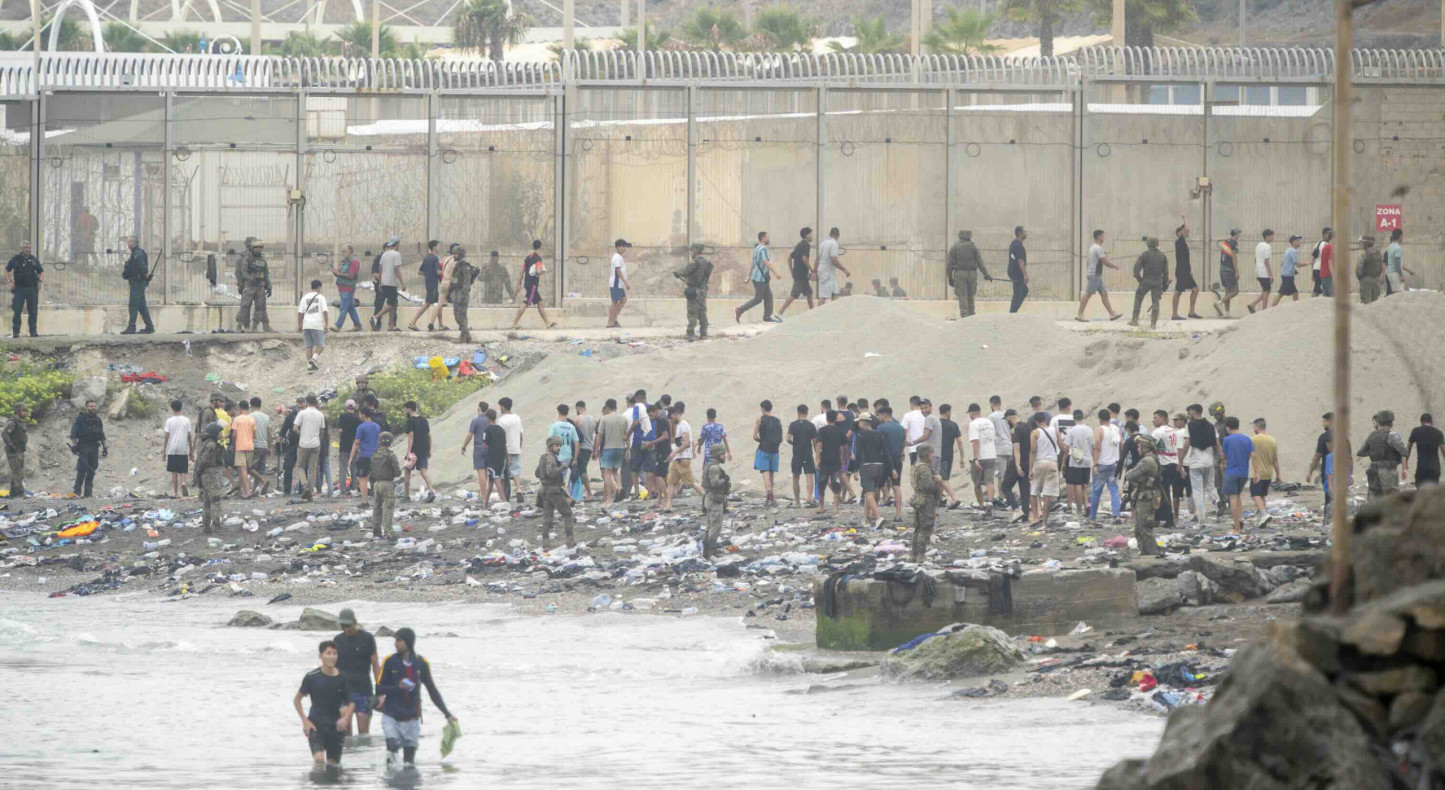
The heightened measures follow late July's mass influx, when viral social media rumours falsely claiming borders were open led tens of thousands to attempt entry. At least 72 people, and potentially over 100 according to varying reports, drowned during those earlier crossings, while hundreds of migrants remain stranded in the Spanish enclave.

In response to fresh calls circulating online, Moroccan police detained several individuals suspected of inciting unauthorised border breaches. Meanwhile, Spanish authorities reinforced razor-wire barriers, deployed additional police units, and recalled military personnel from leave to secure Ceuta's perimeter and coastline.

Sources: Correctiv, Der Standard, FAZ, ORF, Tagesschau.

Read more
02
ContinuingAI-generated
Dutch authorities address political violence and far-right ties

Dutch authorities address political violence and far-right ties

Dutch authorities pursue cases of political violence and asylum-related assault as reports reveal closer ties between FVD and neo-Nazi groups.

Dutch authorities and media investigations continue to monitor incidents linked to political violence and far-right mobilization across the Netherlands.

In The Hague, a court ruled that a suspect accused of detonating an explosive at the D66 party headquarters will remain in pre-trial detention. The suspect admitted to the bombing, which prosecutors are treating as a terrorist offense, stating he turned to violence after concluding that peaceful demonstrations yielded no results.

Concurrently, police in 's-Hertogenbosch detained a second suspect regarding the June assault of a local woman. Investigators believe the attack was connected to community tensions surrounding a proposed reception centre for young asylum seekers.

In addition, an investigative report detailed growing alignment between the political party Forum voor Democratie and neo-Nazi groups, highlighting an upcoming joint demonstration on the Malieveld.

Sources: NOS (Nederlandse Omroep Stichting), NRC, NU

Read more
03
ContinuingAI-generated
Italian updates focus on crime trends, utility scams, and prisoner rehabilitation

Italian updates focus on crime trends, utility scams, and prisoner rehabilitation

Italian updates spotlight lower major crime figures, telephone-based utility scams, summer burglary warnings, and an inmate lifeguard scheme in Puglia.

Recent domestic reports across Italy highlight shifting trends in public safety, consumer fraud, and social initiatives. Statistical evaluations show that severe crime rates in major urban hubs like Rome and Milan remain below levels in many Western capitals, despite ongoing political emphasis on law and order.

Meanwhile, approximately 2.9 million Italian consumers experienced utility billing scams over the past year, predominantly driven by fraudulent call centres, though overall fraud rates fell by 27 percent across three years. Ahead of peak holiday departures, security specialists have warned homeowners of evolving burglary techniques targeting residential locks. In coastal Puglia, a social rehabilitation programme has certified 14 prison inmates to serve as beach lifeguards, addressing seasonal staffing shortages while offering employment pathways.

Sources: Corriere della Sera, Il Messaggero, Il Sole 24 Ore, La Repubblica, La Stampa.

Read more
04
ContinuingAI-generated
Workplace dress codes ease in Japan as Dutch textile recycling rules face hurdles

Workplace dress codes ease in Japan as Dutch textile recycling rules face hurdles

Japanese firms ease office dress codes amid extreme summer heat, while Dutch textile circularity laws face criticism for letting fast-fashion brands pay minimal fees to meet waste mandates.

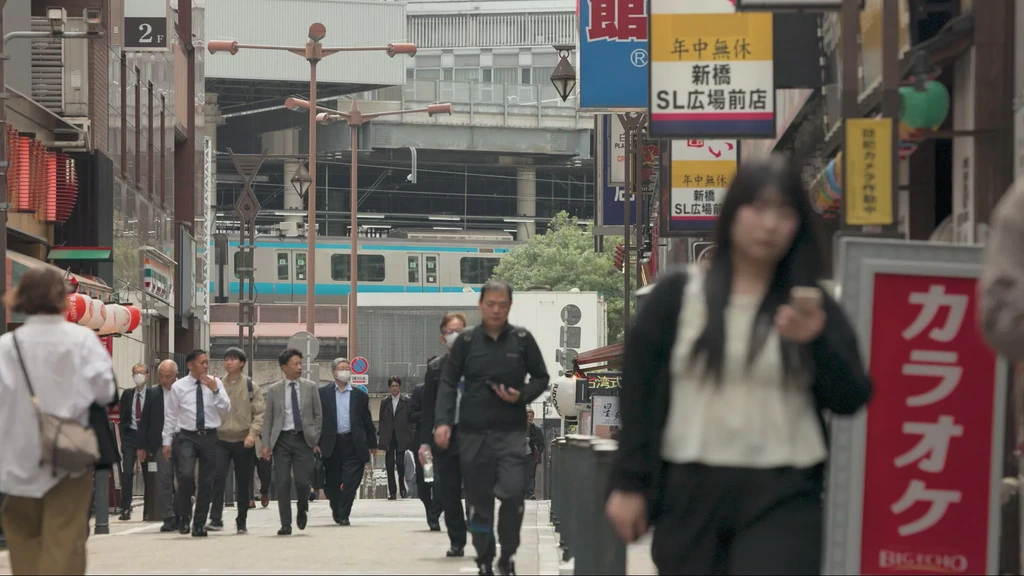
Environmental considerations and rising temperatures are driving changes across corporate practices and apparel regulations internationally. In Japan, rising summer temperatures reaching 33 degrees Celsius in Tokyo have prompted businesses to encourage employees to trade formal suits and leather shoes for lighter, breathable clothing to safeguard worker health, while commuters increasingly rely on sun parasols.

Meanwhile, policy efforts in Europe to curb garment waste face implementation hurdles. In the Netherlands, legislation holding apparel manufacturers responsible for textile recycling has produced limited results. Analysts note that brands can fulfill legal mandates by paying nominal fees of a few cents per piece of clothing, allowing companies to meet statutory requirements without fundamentally curbing fast-fashion production or restructuring supply chains.

Sources: NOS (Nederlandse Omroep Stichting), NRC

Read more
Share