Top news

Aug 17, 2026, 06:00 AM UTC

← Latest news

01
ContinuingAI-generated
Russian strikes hit Kyiv region as North Korean missile unit deploys to Voronezh

Russian strikes hit Kyiv region as North Korean missile unit deploys to Voronezh

Russian strikes on Kyiv and its surrounding region kill up to 17 people, while Ukrainian intelligence reports North Korean missile units deploying to Russia's Voronezh Oblast.

Russian forces launched a series of overnight ballistic missile and drone strikes against Kyiv and the surrounding region, killing up to 17 people and injuring dozens more. Ukrainian emergency services and local officials reported damage to warehouse facilities, commercial transport, and residential areas across multiple districts.

Concurrently, Ukrainian military intelligence reported that Russia has begun deploying a North Korean missile detachment to Voronezh Oblast. The unit is reportedly equipped with six mobile launchers and dozens of ballistic missiles intended to bolster Russian strike capabilities.

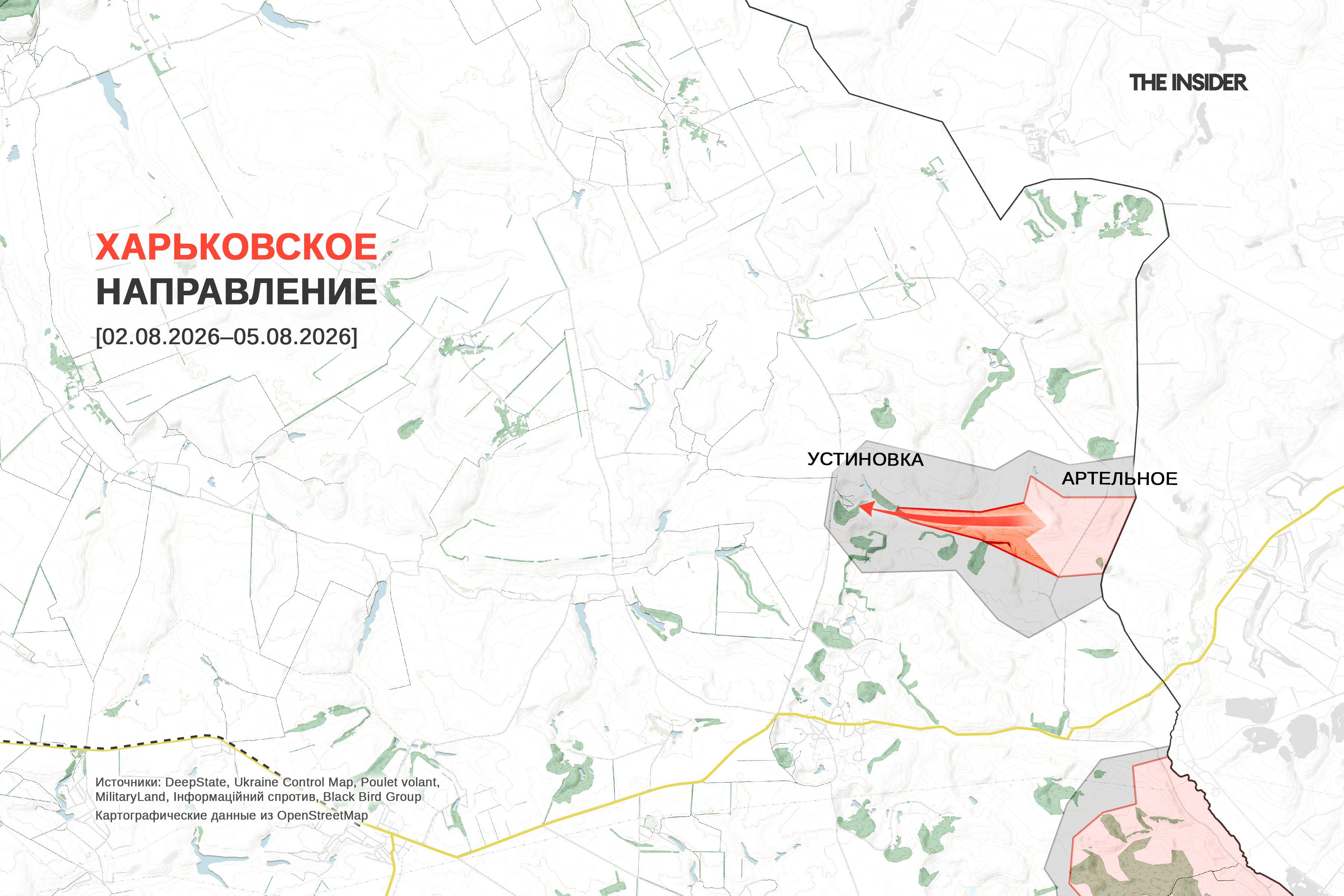
On the eastern front, Ukrainian forces conducted clearance operations against entrenched Russian troops in Kupyansk and captured soldiers near Oleksiievo-Druzhkivka. Meanwhile, Russian President Vladimir Putin announced forthcoming leadership reshuffles within the Russian Armed Forces and the Defense Ministry.

Sources: Mediazona, Point, The Insider, Радіо Свобода, Українська правда.

Read more
02
ContinuingAI-generated
Ukrainian commanders outline strategic conditions to counter Russian aggression

Ukrainian commanders outline strategic conditions to counter Russian aggression

Ukrainian defense planners highlight drone warfare and strategic adaptation as essential elements to counter Russian advances and secure long-term defense.

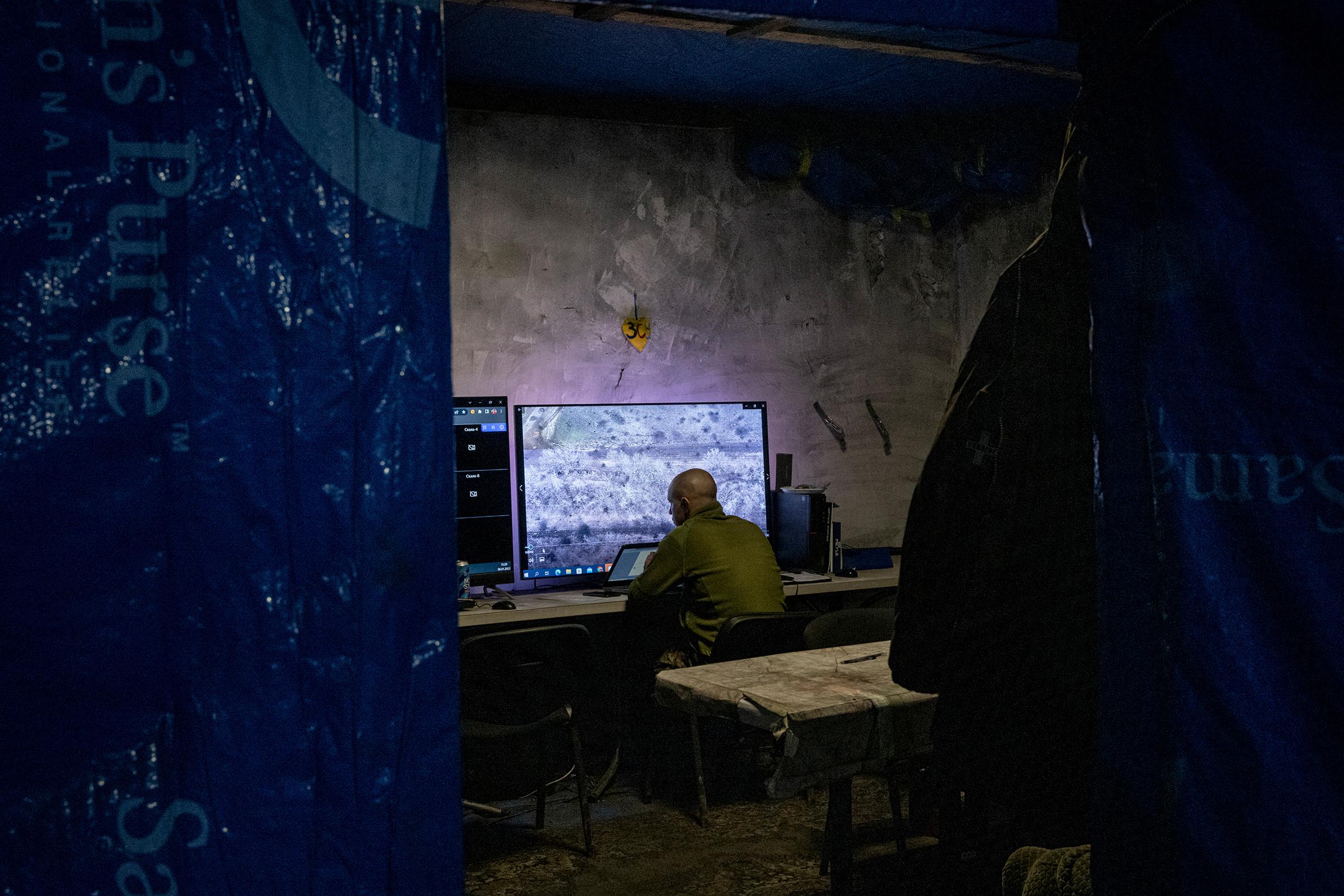
Ukrainian military officials and defense strategists are further defining the operational conditions required to counter Russian aggression, placing heavy emphasis on expanded drone warfare and strikes against key logistics networks. Commanders maintain that sustained asymmetric capabilities and uncrewed aerial systems remain central to disrupting Russian frontline advances and pressuring Moscow toward an eventual resolution.

Simultaneously, Ukrainian President Volodymyr Zelensky reiterated warnings regarding Russia's broader regional ambitions, stressing that Moscow's objectives pose risks extending beyond Ukraine's borders. Observers and political analysts note that Kyiv is continuously adapting its strategic planning to maintain defensive resilience, adjust resource allocation, and ensure sustained international alignment amid ongoing battlefield pressures.

Sources: 15min.

Read more
03
ContinuingAI-generated
Military adoption of artificial intelligence expands across global conflicts

Military adoption of artificial intelligence expands across global conflicts

Militaries in Ukraine, Russia, and China are accelerating the deployment of artificial intelligence and autonomous systems to reshape combat operations and strike planning.

Technological transformation and the integration of artificial intelligence are reshaping military strategy globally. Former technology executive Eric Schmidt highlighted Ukraine's rapid adoption of autonomous systems and drone warfare, describing modern combat as fundamentally altered by digital innovation. Former Ukrainian defense official Mykhailo Fedorov noted that constant adaptation cycles have expanded deep-strike capabilities, even as operational limits persist regarding the use of commercial satellite networks like Starlink for strikes inside Russia.

Concurrently, Ukrainian military intelligence reported discovering American-made microcomputers inside newly manufactured Russian missiles, pointing to potential AI applications in precision guidance. In Asia, China's People's Liberation Army has deployed specialized algorithmic platforms capable of coordinating simultaneous mass airstrikes across hundreds of targets, illustrating the growing role of automated systems in strategic defense planning.

Sources: Liga net, NEXTA, NV, Point, The Insider

Read more
04
ContinuingAI-generated
Romania's power grid strains under drought as structural deficits persist

Romania's power grid strains under drought as structural deficits persist

An Energy Policy Group analysis warns that severe drought and lagging grid and storage investments leave Romania producing only a fraction of its 19 GW capacity.

Romania's national power system continues to face critical operational vulnerabilities amid severe hydrological drought, according to an assessment by the Energy Policy Group published via InfoClima.

Despite boasting nearly 19 gigawatts of nominal installed generation capacity, actual power production frequently falls to roughly one-third of that volume during periods of extreme environmental stress. Sharply reduced water levels along the Danube River have significantly constrained domestic hydroelectric output, traditionally a pillar of baseload generation.

The findings highlight that while renewable generation capacity has steadily expanded across the country, integration remains bottlenecked by inadequate electrical transmission infrastructure and a lack of scalable energy storage systems. Protracted delays in key capital investments continue to leave the national grid exposed to supply instability during prolonged droughts.

Sources: G4Media.

Read more
Share