Top news

Aug 16, 2026, 11:30 PM UTC

← Latest news

01
ContinuingAI-generated
Israel rejects Gaza ceasefire plan as US-led council advances second phase

Israel rejects Gaza ceasefire plan as US-led council advances second phase

Israel has rejected a 15-point Gaza ceasefire plan, while the US-led Peace Council announced the start of phase two and plans for a military base to house Moroccan troops.

Israel's Security Cabinet has formally rejected a proposed 15-point ceasefire roadmap for the Gaza Strip, notifying Washington that the initiative remains unacceptable in its existing structure. Drafted with input from Egypt and Hamas, the framework outlines an end to military hostilities, a phased withdrawal of Israeli forces, and the transfer of administrative duties to a Palestinian technocratic committee.

Despite Israel's formal opposition, the US-led Peace Council announced the transition into the ceasefire's second stage. Concurrently, reports indicate that the council's first major construction contract in the territory involves building a military base intended to house approximately 150 Moroccan personnel participating in international security efforts.

Sources: TRT Haber (Turkish Radio and Television Corporation), Cumhuriyet, Anadolu Ajansı (Anadolu Agency), Bianet
Read more
02
ContinuingAI-generated
Netanyahu reaffirms rejection of US Gaza plan without full Hamas disarmament

Netanyahu reaffirms rejection of US Gaza plan without full Hamas disarmament

Benjamin Netanyahu has reiterated his refusal of a US-backed 15-point Gaza peace framework, stating Israeli troops will remain until Hamas disarms.

Israeli Prime Minister Benjamin Netanyahu has reiterated his government's refusal to accept a 15-point US-backed peace framework for Gaza, maintaining that Israeli forces will not withdraw until Hamas is completely disarmed.

In televised remarks to his cabinet, Netanyahu stated that the military "will not carry out any withdrawal until Hamas is genuinely disarmed" and confirmed that "Israel rejects the 15-point document." The diplomatic framework, championed by US President Donald Trump and accepted by Hamas in late July, sought to establish a lasting ceasefire.

The stance underscores persistent friction between Washington and Jerusalem. While the White House continues to urge progress toward resolving the war, Netanyahu faces countervailing pressure from right-wing coalition partners as he prepares for national elections scheduled for late October.

Sources: Cyprus Mail, France24, STV News, The Guardian, The Herald.

Read more
03
ContinuingAI-generated
Artificial intelligence reshapes modern warfare across global fronts

Artificial intelligence reshapes modern warfare across global fronts

Artificial intelligence and autonomous systems are reshaping battlefield strategies in Ukraine and driving military modernization programs globally.

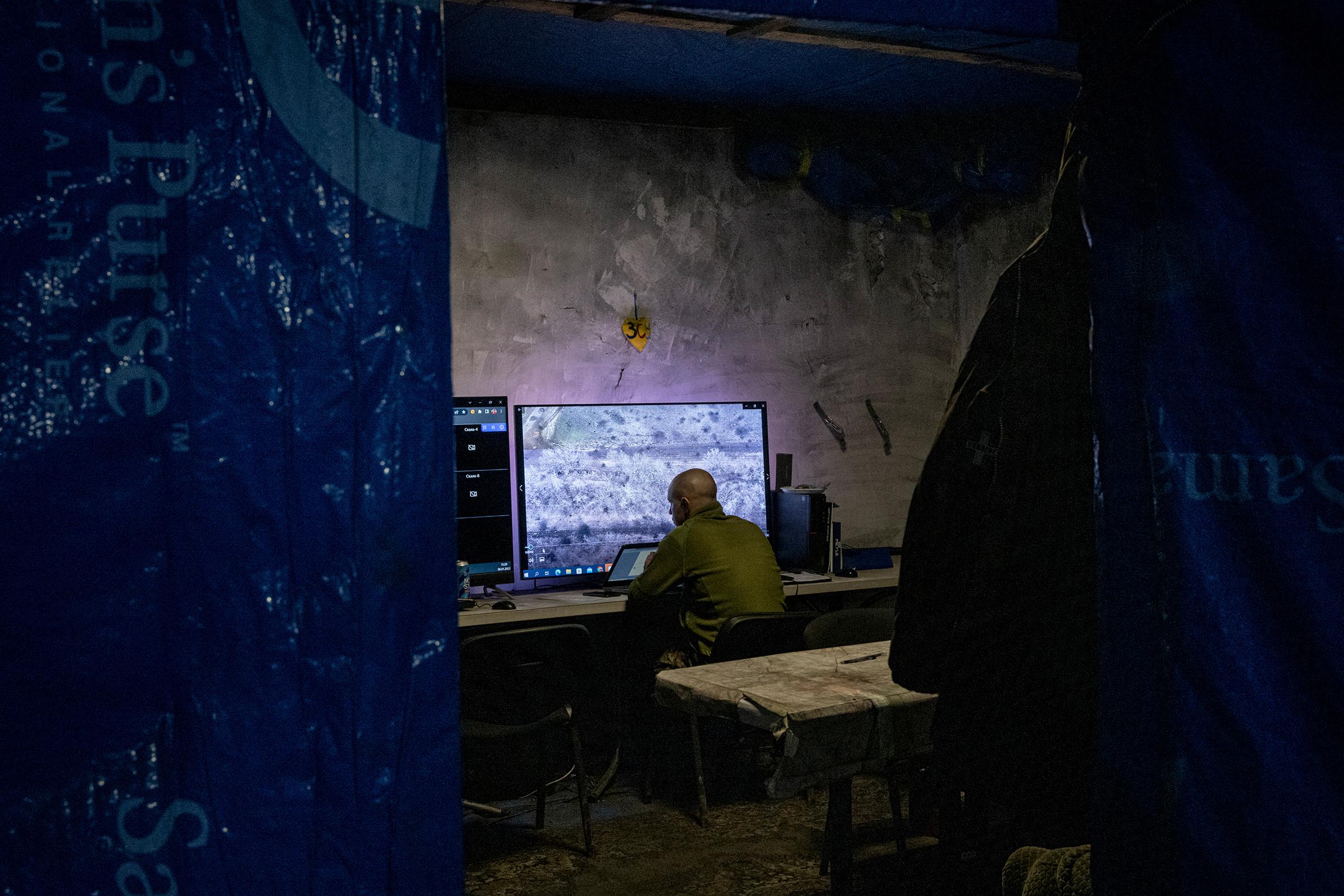
The rapid adoption of artificial intelligence continues to transform modern military strategy and battlefield operations. Former Google executive Eric Schmidt highlighted the conflict in Ukraine as a historic turning point in warfare, driven by autonomous drones and algorithmic systems. Ukrainian forces have increasingly relied on domestic innovation to conduct long-range strikes, though operational constraints on commercial platforms like Starlink remain an impediment.

Concurrently, Ukrainian intelligence reported finding an American-made microcomputer inside a newly manufactured Russian missile, suggesting the integration of automated navigation tools. Beyond the conflict in Eastern Europe, major global powers are expanding automated capabilities. China's People's Liberation Army has introduced an AI-powered system designed to automate and coordinate large-scale airstrikes targeting hundreds of locations simultaneously.

Sources: Liga net, NEXTA, NV, Point, The Insider

Read more
04
ContinuingAI-generated
Record heat and drought fuel European wildfires and energy disruptions

Record heat and drought fuel European wildfires and energy disruptions

Western Europe records its warmest June-July period on record as severe heat fuels wildfires across France and strains nuclear operations along the Danube.

Western Europe has experienced its warmest combined June and July on record, coinciding with global sea surface temperatures reaching an unprecedented peak of 20.96 degrees Celsius in July. The month stood as the second-warmest globally, measuring approximately 1.47 degrees Celsius above pre-industrial baselines.

The persistent heat and dry conditions have fueled significant wildfires across France, Belgium, and the Balkans. In southwestern France's Landes department, an advancing blaze has consumed more than 1,580 hectares of forest, prompting the precautionary evacuation of residents from roughly 650 residences.

Concurrently, critical drops in river levels have disrupted energy operations across the continent. Following output reductions and reactor shutdowns in Hungary and Romania, Romanian armed forces conducted a controlled underwater blast in the Danube to guide essential cooling water toward a nuclear power plant. The drought has also exposed prehistoric fossils and historical artifacts along dried riverbeds.

Sources: Diário de Notícias (DN), Expresso, Jornal Económico, RTP (Rádio e Televisão de Portugal)

Read more
05
ContinuingAI-generated
Europe adjusts defense, trade, and diplomatic strategy amid prolonged war outlook

Europe adjusts defense, trade, and diplomatic strategy amid prolonged war outlook

European governments are advancing defense autonomy, navigating US trade tensions, and securing diplomatic roles as officials project the war in Ukraine could extend through 2027.

European nations are intensifying efforts to bolster strategic autonomy across diplomacy, commerce, and defense as expectations grow for an extended conflict in Ukraine. Western officials anticipate hostilities may continue through 2027, with potential further Russian military mobilization anticipated later this year.

In response to shifting geopolitical dynamics and uncertain future transatlantic relations, major European powers, including France, Germany, and the United Kingdom, are seeking a structured role in prospective peace discussions to protect continental security interests. Simultaneously, European defense sectors are expanding domestic production initiatives to decrease long-term reliance on United States military technology.

Frictions with Washington have also surfaced in trade, where the European Union continues to defend its corporate supply chain and environmental regulations against American pushback and accusations regarding Chinese tariff circumvention.

Sources: Belsat, NEXTA, Point, The Insider

Read more
Share