Top news

Aug 15, 2026, 03:30 PM UTC

← Latest news

01
ContinuingAI-generated
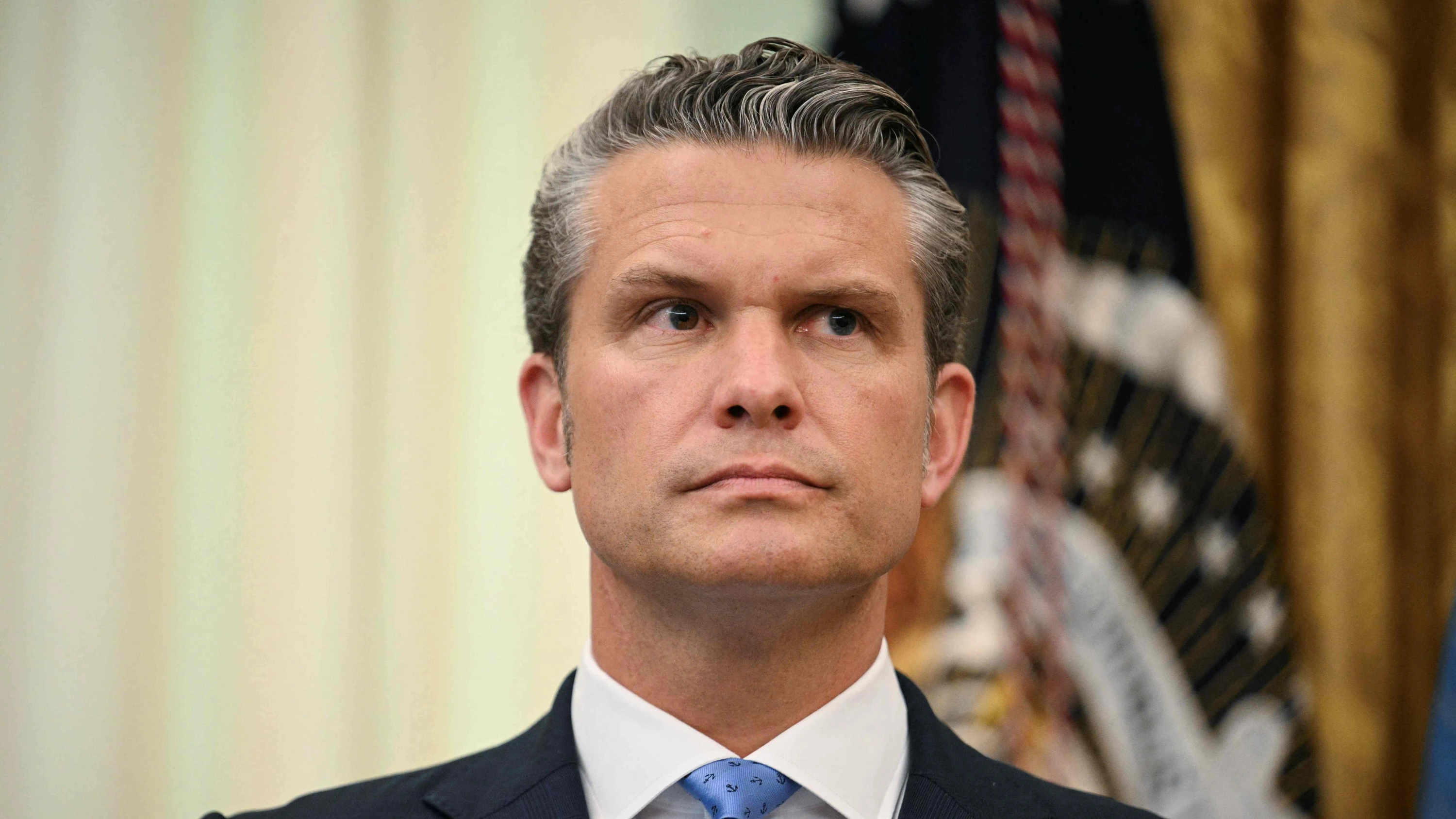
Trump and Hegseth deny US weapons shortages amid Iran conflict

Trump and Hegseth deny US weapons shortages amid Iran conflict

Donald Trump and Pete Hegseth dismissed reports of depleted US munitions amid Iran operations, as Trump warned leakers and claimed talks with Tehran resumed.

US President Donald Trump and Defense Secretary Pete Hegseth have rejected media reports alleging that American weapon stockpiles have reached critically low levels during ongoing military operations involving Iran. The claims followed media accounts suggesting that missile deficits had curtailed further American strikes. Writing on social media, Trump asserted that the United States retains extensive supplies of high-grade munitions and continues robust production, while threatening severe prison sentences for individuals responsible for leaking information on military readiness.

In parallel statements, Trump announced that bilateral negotiations with Tehran have resumed, characterizing the dialogue as a final opportunity for Iran to secure a comprehensive agreement. However, Iranian officials had earlier denied that any formal discussions were taking place or planned.

Sources: Die Zeit, FAZ, ORF, Tagesschau

Read more
02
ContinuingAI-generated
Severe hydrological drought strains Czech water reserves and river systems

Severe hydrological drought strains Czech water reserves and river systems

A 34 percent rainfall deficit triggers critical hydrological drought across the Czech Republic, drying up streams and depleting major water reservoirs.

The Czech Republic is experiencing severe hydrological drought following an extended precipitation deficit, with nationwide rainfall tracking roughly 34 percent below historical averages since the beginning of the year. The shortfall has caused water levels in river systems and underground aquifers to plummet to critical thresholds across the country.

Along the Vltava river cascade, water management authorities are preparing contingency operations to draw from the Slapy reservoir if water levels at the Orlík reservoir drop further—an operational measure estimated to occur only once every 50 years. In several municipalities, volunteers have mobilised along dry riverbeds to rescue trapped aquatic wildlife, including fish, crayfish, and river lampreys.

Environmental researchers and local officials emphasize the need for enhanced landscape water retention, warning that prolonged heatwaves and shifting climate patterns heighten the risk of desertification in southern Moravia and the Elbe basin.

Sources: Český rozhlas Plus, Deník N, Hospodářské noviny, iROZHLAS, Seznam Zprávy.

Read more
03
ContinuingAI-generated
AfD intensifies eastern state election campaign amid scrutiny of economic and regional pledges

AfD intensifies eastern state election campaign amid scrutiny of economic and regional pledges

Ahead of eastern German state elections, the AfD is ramping up its campaign using regional identity and anti-green rhetoric, facing scrutiny over economic plans and extremism.

As campaigning enters its final stage ahead of state elections in eastern Germany, the Alternative for Germany (AfD) has placed regional grievances, personality-driven campaigning, and opposition to green policies at the centre of its platform.

In Saxony-Anhalt, lead candidate Ulrich Siegmund has drawn large crowds while attempting to counter concerns regarding far-right radicalism by publicly advocating a "strict crackdown of the rule of law against any extremists". However, economists have dismissed the AfD's regional economic manifesto as unrealistic, warning that its fiscal and developmental promises cannot be delivered. Concurrently, investigative reports highlight how the party has leveraged local grassroots protests, including opposition to wind turbines, to mobilise voters. The broader political dynamic has also drawn criticism for stoking regional divisions between eastern and western Germany ahead of the vote.

Sources: Correctiv, Der Standard, Handelsblatt, Die Zeit, FAZ

Read more
04
ContinuingAI-generated
Europe faces severe heat as Austria breaks temperature record and Italy issues red alerts

Europe faces severe heat as Austria breaks temperature record and Italy issues red alerts

Austria records a historic 40.8°C while Italy issues maximum red alerts across 27 cities amid continuing extreme heat in Europe.

Parts of Europe continue to endure intense heat as national records fall and emergency alerts expand across the continent. In Austria, weather service GeoSphere reported a preliminary all-time high of 40.8 degrees Celsius in Stammersdorf, near Vienna, surpassing the country's previous record set in 2013.

In Italy, health officials issued top-tier red alerts for all 27 major monitored cities as the nation entered its fourth heatwave of the season. The warnings, expanded to southern hubs including Messina and Reggio Calabria, urge residents to avoid direct sunlight during peak hours following several heat-related fatalities. Forecasters project temperatures near 40 degrees Celsius across Western Europe, maintaining elevated drought and wildfire risks across multiple regions.

Sources: Aftenposten, Berlingske, DR, TV 2 Nyheter, VG (Verdens Gang)

Read more
05
ContinuingAI-generated
Japan promotes cooler office attire amid extreme summer heat

Japan promotes cooler office attire amid extreme summer heat

Japan encourages lighter office attire to protect workers during intense summer heat, while Dutch textile waste regulations face criticism for low compliance fees.

Japan is encouraging office workers to abandon traditional business suits and leather footwear as summer temperatures rise, aiming to protect employee health amid intensifying heatwaves. Japanese companies are progressively relaxing formal corporate dress codes, promoting lighter, breathable clothing as Tokyo temperatures consistently exceed 30 degrees Celsius.

Meanwhile, scrutiny continues over Dutch circularity legislation designed to manage the environmental impact of the fashion sector. Critics report that rules requiring clothing brands to take responsibility for textile waste remain largely ineffective, as manufacturers are able to fulfill their obligations by paying minimal compliance fees of just a few cents per garment rather than investing in meaningful recycling infrastructure to curb fast-fashion waste.

Sources: NOS (Nederlandse Omroep Stichting), NRC

Read more
Share