Top news

Aug 14, 2026, 11:00 AM UTC

← Latest news

01
ContinuingAI-generated
Deadly Russian strikes hit Kyiv as North Korean missile unit deploys to Voronezh

Deadly Russian strikes hit Kyiv as North Korean missile unit deploys to Voronezh

Deadly Russian strikes hit Kyiv and surrounding areas, while reports surface of North Korean missile systems deploying to Russia's Voronezh region.

Russian forces launched an overnight barrage of ballistic missiles and drones against Kyiv and the surrounding region, killing up to 17 people and injuring between 40 and 51 others, Ukrainian officials reported. The strikes ignited several fires and caused structural damage to commercial warehouses and vehicles in the Bucha district.

Concurrently, Ukrainian military intelligence indicated that Russia has commenced deploying a North Korean missile detachment in the Voronezh region. The unit is reportedly equipped with six launchers and slated to receive up to 120 ballistic missiles, dozens of which have already been delivered.

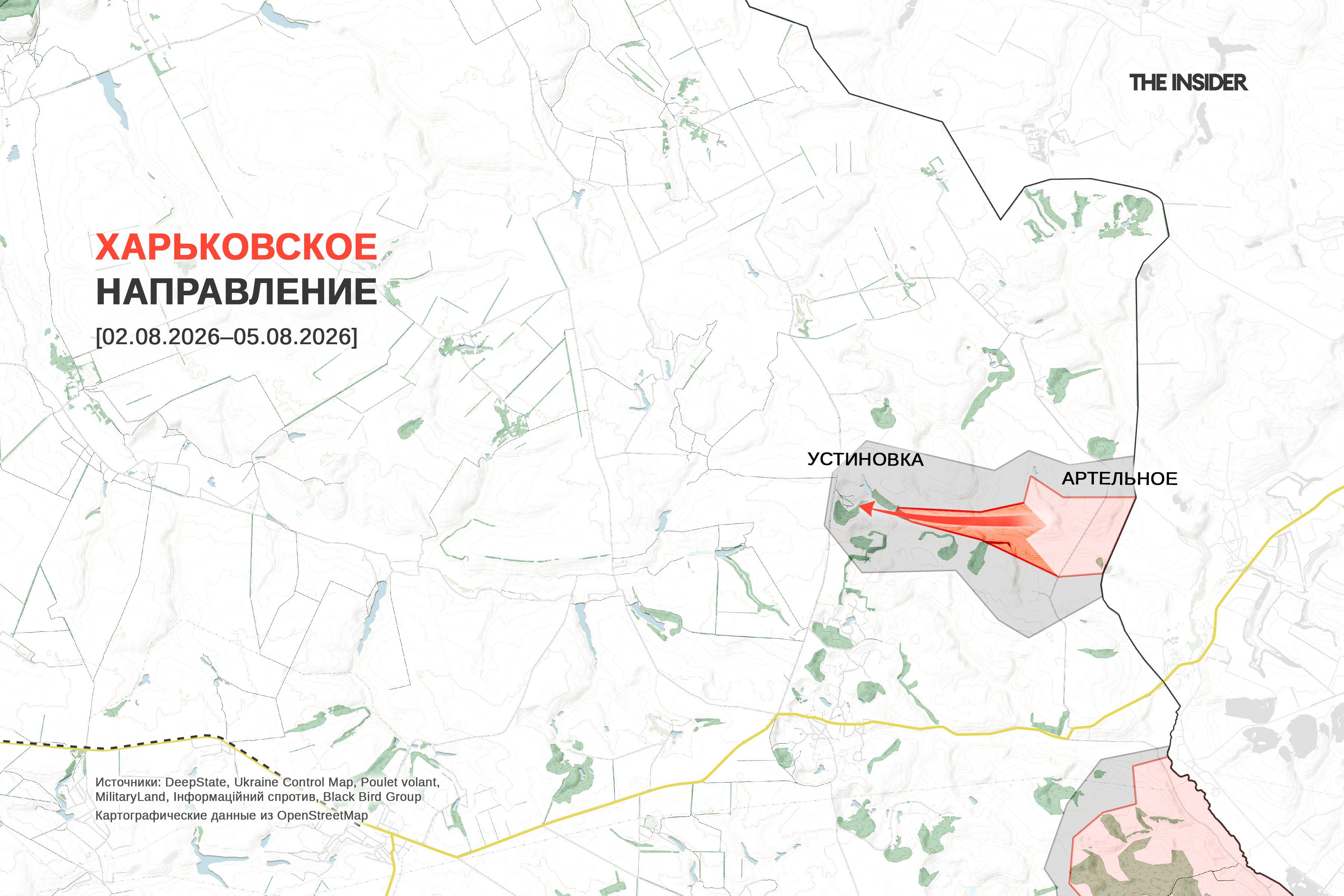
On the front lines, Ukrainian troops engaged Russian soldiers holding basement positions in Kupyansk and captured personnel near Oleksiievo-Druzhkivka. In Moscow, Russian President Vladimir Putin announced upcoming leadership adjustments across Russia's armed forces and Defense Ministry.

Sources: Mediazona, Point, The Insider, Радіо Свобода, Українська правда.

Read more
02
ContinuingAI-generated
EU navigates security readiness, defense autonomy, and rising import costs

EU navigates security readiness, defense autonomy, and rising import costs

European nations are reassessing defense self-reliance amid NATO security concerns while preparing for potential food price spikes under new import rules.

European policymakers and security officials are confronting simultaneous challenges across defense readiness, transatlantic supply links, and consumer trade. US intelligence assessments indicate Russia could stage a limited strike against a NATO ally to gauge collective defense resolve under Article 5.

In response to shifting US policies and stringent American export restrictions—including tightly guarded Boeing guidance radar systems for Patriot interceptors—European nations are accelerating domestic defense production to reduce reliance on Washington. However, efforts to streamline fragmented procurement across EU member states face logistical hurdles.

Meanwhile, regulatory shifts outside the defense sector also threaten consumer markets. Proposed European Union limits on pesticide residues on imported agricultural goods could curtail incoming shipments and significantly raise retail prices for staple commodities, including coffee and citrus fruit.

Sources: Belsat, NEXTA, Point, The Insider

Read more
03
ContinuingAI-generated
Poland expands air fleet procurement and helicopter service capabilities

Poland expands air fleet procurement and helicopter service capabilities

Poland advances plans for A400M transport aircraft and Apache servicing, while Latvia evaluates Embraer Super Tucanos for drone defense.

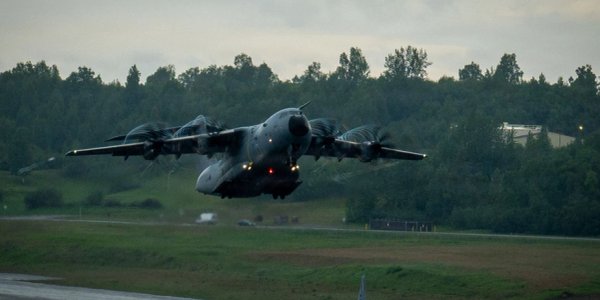
Poland and Baltic partners are expanding military modernization efforts across air transport, rotorcraft maintenance, and counter-drone capabilities. Warsaw has expressed interest in acquiring European Airbus A400M Atlas transport aircraft to replace its aging C-130 fleet, with Deputy Defence Minister Paweł Zalewski noting potential financing through European Union defense credit programs. Poland recently joined six NATO allies—Belgium, Croatia, France, Spain, Turkey, and the United Kingdom—in signing an intent letter to collaborate on multinational A400M operations.

Domestically, Polish state contractor WZL-1 concluded an offset agreement with Boeing to establish a regional service center in Łódź, supporting maintenance for at least 96 incoming AH-64E Apache attack helicopters. Meanwhile, neighboring Latvia is considering Brazil's Embraer A-29 Super Tucano light combat aircraft to counter unmanned aerial systems and hybrid threats, a platform also being monitored by Polish defense planners.

Sources: Defence24, Defense Express, Money, Portal obronny, Rzeczpospolita

Read more
04
ContinuingAI-generated
Romania cuts diesel excise tax as regional fiscal policies adapt to cross-border trade

Romania cuts diesel excise tax as regional fiscal policies adapt to cross-border trade

Romania has enacted a temporary 20% cut to diesel excise duties, while regional authorities and postal operators adapt customs rules to surging cross-border e-commerce.

Romania has enacted a temporary 20% reduction in excise duties on standard diesel from August 16 to August 31, responding to heightened international oil benchmarks. The dynamic mechanism is projected to lower retail prices by up to 0.68 lei per liter, with market conditions subject to biweekly evaluations.

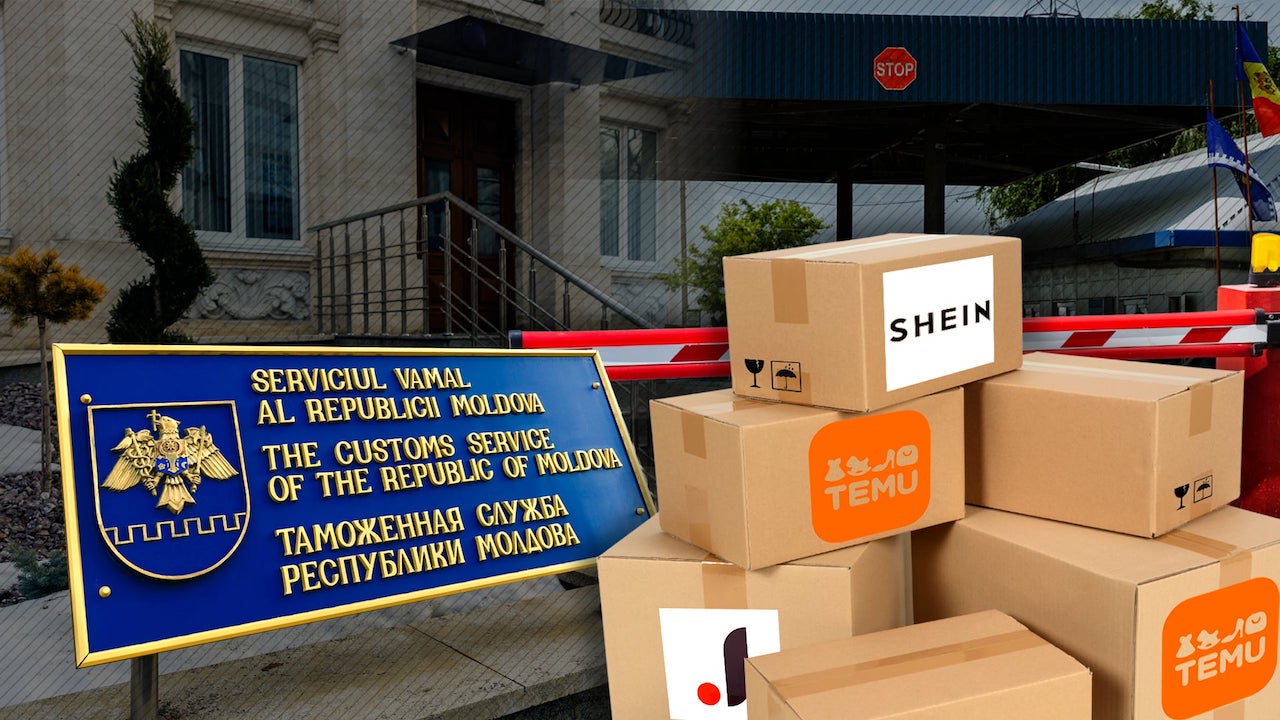
The measure coincides with broader fiscal and customs adaptations addressing cross-border e-commerce. In Moldova, draft fiscal regulations propose a 20% value-added tax alongside a 12 MDL administrative fee on parcels valued under €150, aiming to balance competition between domestic and foreign vendors. Meanwhile, low-cost retailers face tightening tariff environments across European and international markets. In response to rising parcel volumes, Poșta Română has launched a €3 million logistics facility in Cluj to handle customs clearance internally rather than routing shipments through neighboring countries.

Sources: Adevărul, Economedia, Flux24, HotNews, Ziarul de Gardă.

Read more
Share