Top news

Aug 6, 2026, 10:30 PM UTC

← Latest news

01
ContinuingAI-generated
Ukraine debates mobilization reforms and NATO prospects amid internal tensions

Ukraine debates mobilization reforms and NATO prospects amid internal tensions

Ukraine faces ongoing debates over military recruitment policies, frontline infantry rotations, and diplomatic strategy following remarks by Ambassador Zaluzhnyi.

Ukraine continues to confront structural challenges surrounding its military mobilization policies and long-term security outlook. Recruitment efforts remain tense, highlighted by an early 2026 incident where a citizen opened fire on police and recruitment personnel during a document check.

To address systemic issues, military commentator Pavlo Kazarin urged reform of medical boards and deferment mechanisms. Conversely, presidential advisor Mykhailo Podolyak defended restrictive measures against draft evaders, advocating for account freezes to restrict their social conveniences. On the frontline, analysts anticipate operational shifts under Commander-in-Chief Mykhailo Drapatyi to improve infantry rotations.

In diplomatic affairs, Ambassador Valerii Zaluzhnyi triggered debate after stating, "We will never join NATO, unfortunately," while questioning Western military doctrines.

Sources: Liga net, NV, Point, Radio Svoboda, Ukrainska Pravda
Read more
02
ContinuingAI-generated
Poland expands defence ambitions via domestic integration and foreign partnerships

Poland expands defence ambitions via domestic integration and foreign partnerships

Poland advances its defence sector through domestic integration and foreign partnerships despite expert criticism of bilateral pacts and industrial bottlenecks.

Poland is continuing efforts to bolster its military capabilities through domestic manufacturing and international security agreements. A government draft strategy for 2026–2030 aims to address structural deficits, including production bottlenecks, technology gaps, and supply chain dependencies.

On the international front, Deputy Defence Minister Cezary Tomczyk confirmed Poland has notified the United States of its readiness to produce Patriot missile components domestically. Meanwhile, state outlets highlight the integration of domestic platforms, such as Rosomak vehicles, with foreign systems like US Abrams tanks.

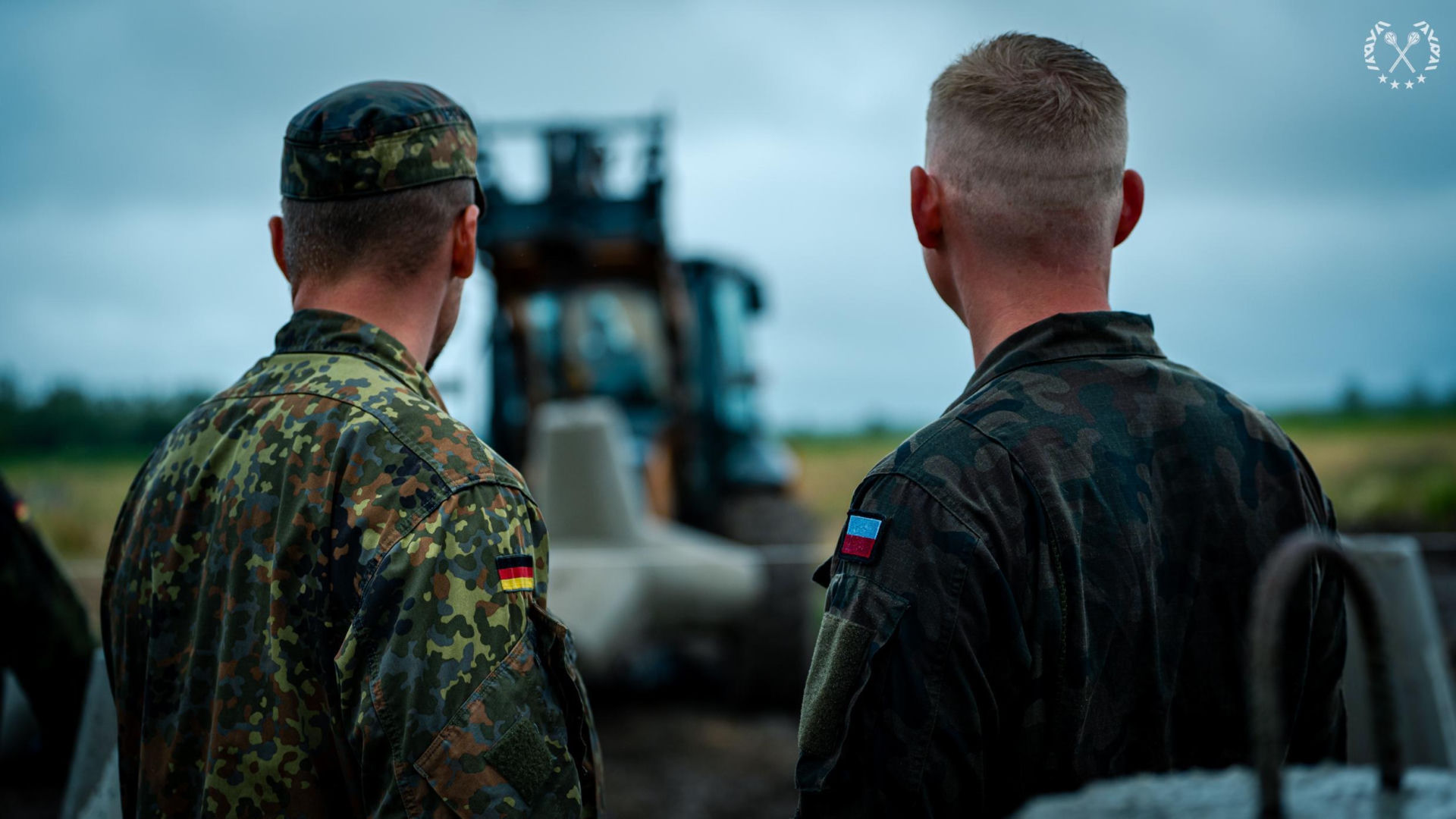
However, bilateral cooperation faces scrutiny. Analysts reviewing the June 2026 Polish-German defence agreement argue the treaty disproportionately favours Berlin, questioning whether it constitutes a real partnership.

Sources: Defence24, Money, Portal obronny, Rzeczpospolita, TVP info

Read more
03
ContinuingAI-generated
Ukraine broadens drone strikes to Russian oil refinery, naval targets, and retail hubs

Ukraine broadens drone strikes to Russian oil refinery, naval targets, and retail hubs

Ukrainian drone strikes hit the Slavneft-YANOS refinery in Yaroslavl, targeted FSB vessels in Kerch, and damaged retail distribution centers across several Russian regions.

Ukrainian forces expanded their long-range drone campaign across Russian territory, hitting strategic energy facilities, maritime assets, and commercial supply networks. Ukraine's Security Service claimed responsibility for damaging storage tanks and processing equipment at the Slavneft-YANOS refinery in Yaroslavl, while also targeting Russian FSB coast guard vessels in Kerch. Yaroslavl Governor Mikhail Yevrayev stated that four residents were injured in the refinery attack, with three requiring hospitalization.

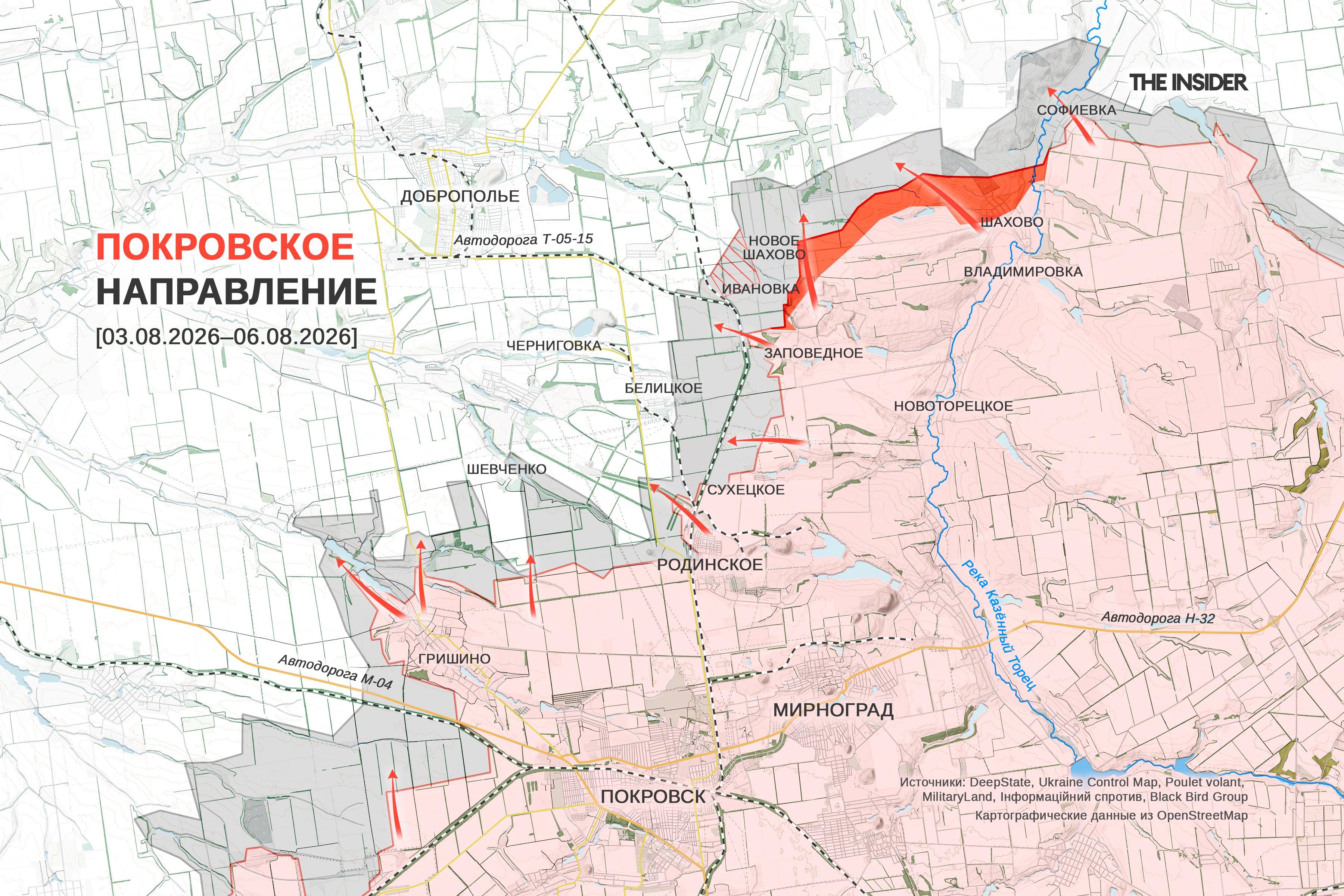
The strikes extended to retail distribution infrastructure, hitting a warehouse belonging to major Russian supermarket chain Lenta alongside ongoing attacks on e-commerce operator Wildberries. Analysts suggest these disruptions could force logistics realignments and increase consumer costs inside Russia. Meanwhile, Russian forces made incremental gains toward Dobropillia near Pokrovsk and east of Stepnohirsk in Zaporizhzhia.

Sources: Belsat, Mediazona, NEXTA, The Insider, Verstka.

Read more
04
ContinuingAI-generated
Ukrainian strikes on Russian energy infrastructure strain regional economies and global trade

Ukrainian strikes on Russian energy infrastructure strain regional economies and global trade

Widespread Ukrainian strikes on Russian oil infrastructure disrupt local businesses and strain Black Sea trade routes, linking regional conflicts to global energy and food security.

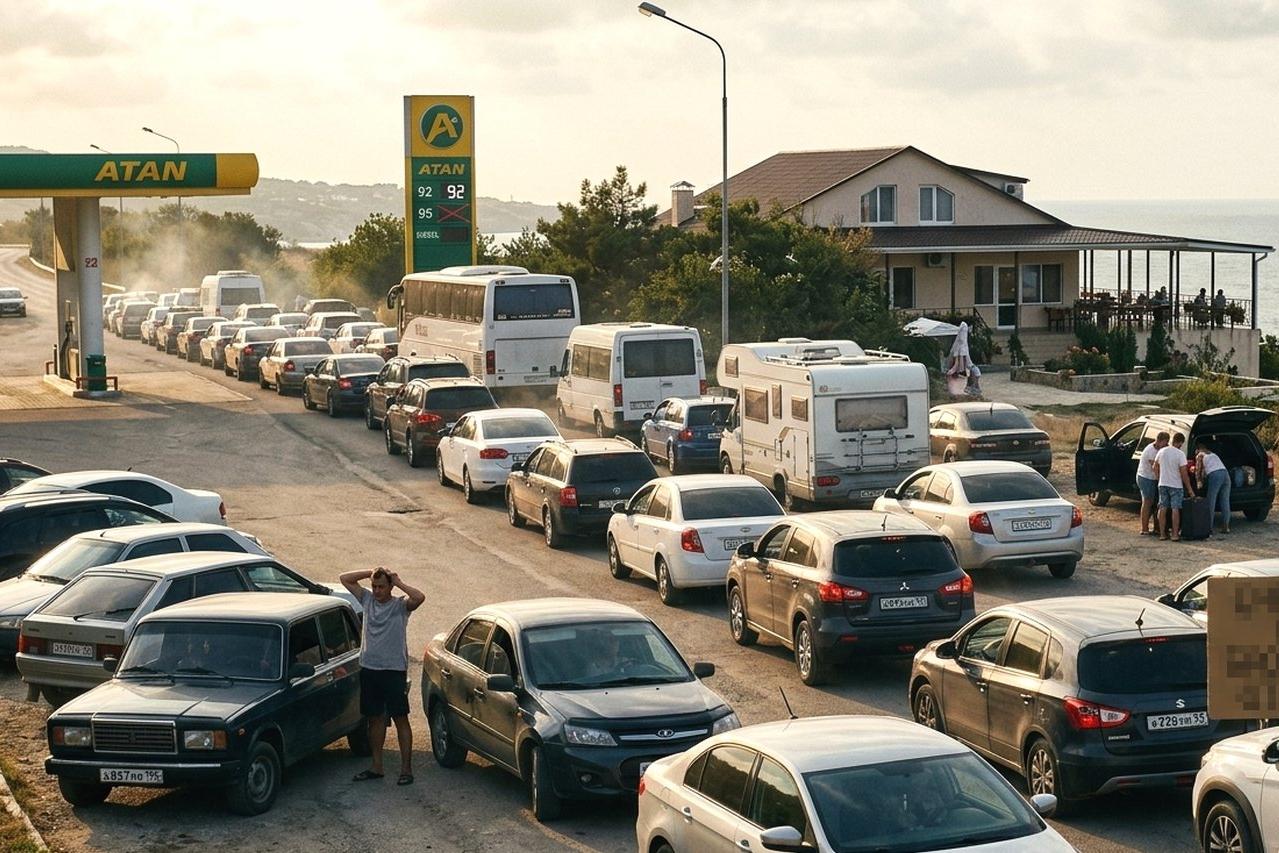
Intensified Ukrainian drone attacks against Russian refineries, storage facilities, and logistics hubs have disrupted fuel supply chains across multiple regions. In July alone, at least 30 strikes targeted key infrastructure, prompting Moscow to extend export bans on diesel and gasoline. These shortages have increasingly burdened regional Russian businesses, particularly within the agricultural and tourism sectors.

Simultaneously, heightened military activity in the Black Sea and Caspian Sea is creating severe trade bottlenecks. The targeted disruptions to shipping corridors threaten global exports of crude oil and grain. Security analysts note that these maritime and energy attacks reflect expanding strategic linkages between the conflict in Eastern Europe and broader tensions in the Middle East.

Sources: Belsat, NEXTA, Point, The Insider

Read more
05
ContinuingAI-generated
Moldova introduces energy and water restrictions amid Dniester drought

Moldova introduces energy and water restrictions amid Dniester drought

Moldova has introduced energy and water restrictions following severe drought in the Dniester River basin and regional electricity shortages, with experts warning of potential tariff increases.

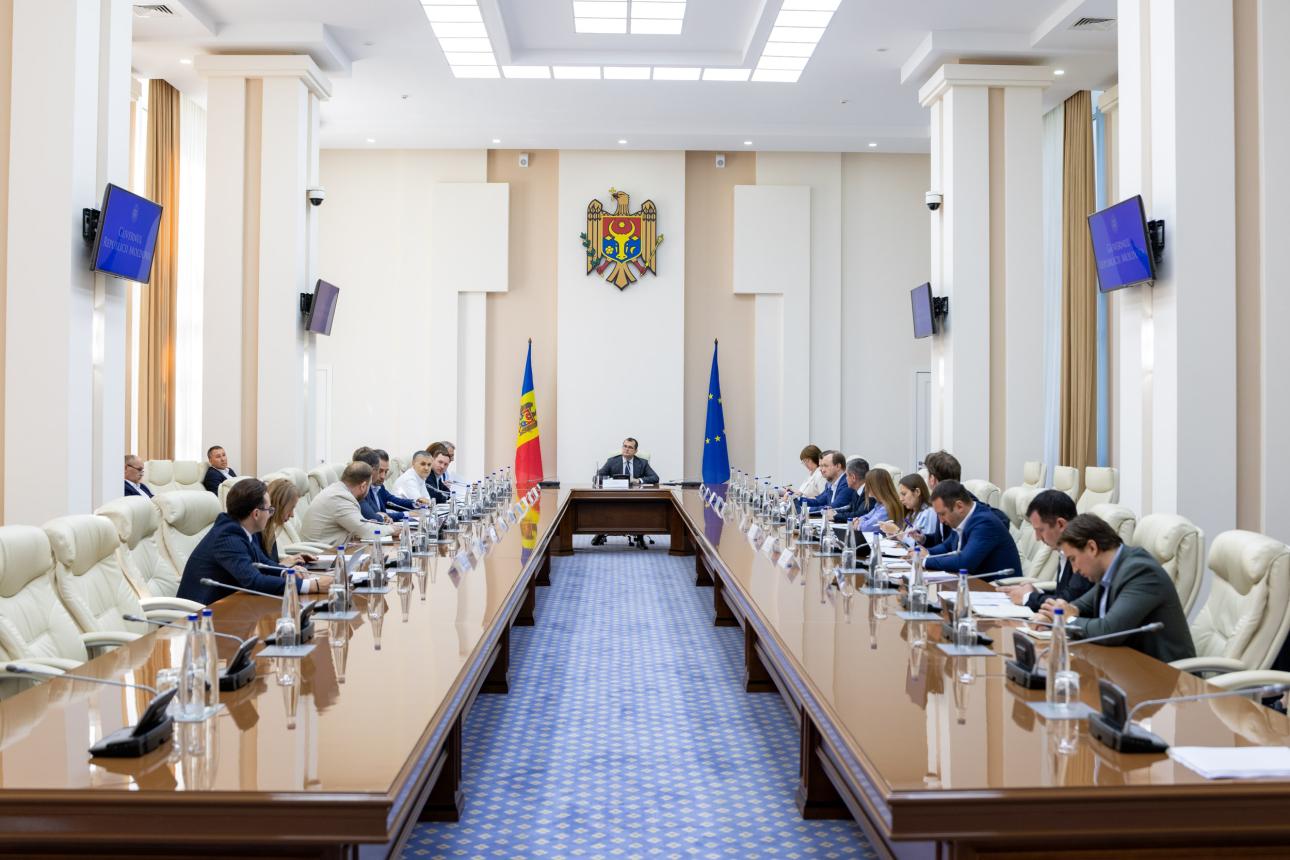
Moldova's National Crisis Management Center has implemented a new series of energy and water conservation measures to address severe hydrological drought in the Dniester River basin and broader regional power constraints.

The regulations restrict commercial electricity exports during peak demand periods, mandate reduced power usage across public institutions and commercial facilities, and limit non-essential water consumption. Authorities have also advised residents to refrain from using elevators during morning peak hours between 6:00 and 9:00. While decorative urban illumination will be scaled back, Chișinău City Hall confirmed that public street lighting will remain operational to safeguard public safety.

Energy experts and officials warned that regional supply strains, compounded by reduced hydroelectric generation in neighboring countries, could lead to higher electricity tariffs for Moldovan consumers.

Sources: Adevărul, Digi24, Moldova1, Newsmaker, Ziarul de Gardă.

Read more
Share