
US diesel agreement with Russia draws widespread political and international backlash

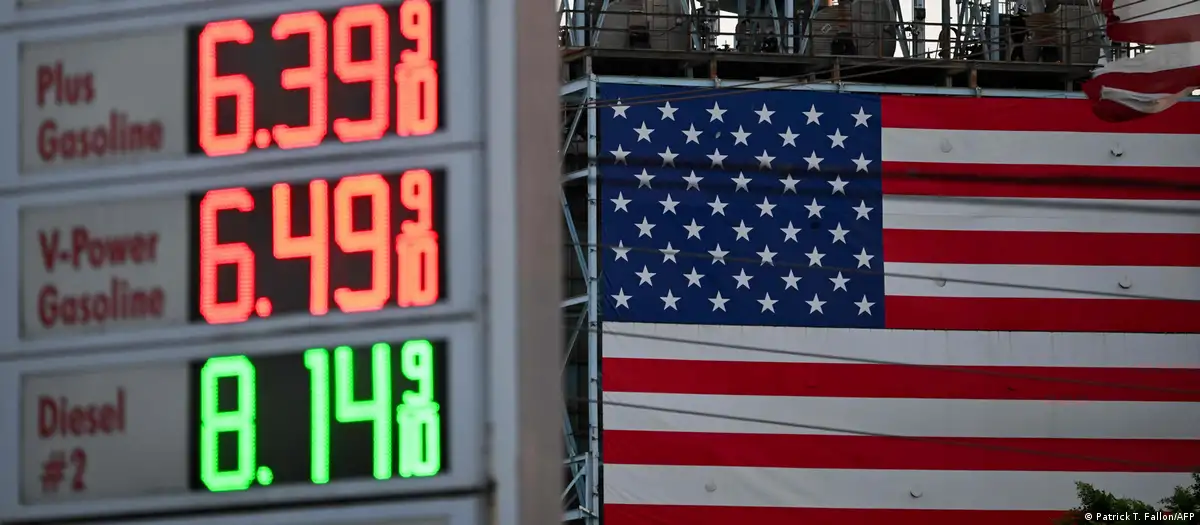
A controversial agreement between Donald Trump and Vladimir Putin allowing Russian diesel exports has drawn sharp criticism from US lawmakers and foreign policy experts.
US President Donald Trump's agreement with Russian President Vladimir Putin to allow global sales of Russian diesel has drawn sharp criticism from US lawmakers and foreign policy analysts. During diplomatic discussions in Miami, US representatives told Ukrainian officials that the concession was designed to incentivize Moscow to rejoin peace talks.
However, bipartisan members of the US Congress accused the administration of attempting to lower domestic fuel costs ahead of upcoming midterm elections at the expense of pressure on Russia. Analysts warned that revenues from diesel sales could bolster Moscow's economy, potentially fund foreign allies such as Iran, and weaken Kyiv's diplomatic leverage during future negotiations.
Sources: Adevărul, Digi24, HotNews, Moldova1, Ziarul de Gardă.
How outlets assessed this
- Digi24 Critical Highlighted expert views that the deal scapegoats Ukraine and provides Russia revenue that could support Iran.
- HotNews Neutral Focused on explanations given by US envoys that the arrangement aims to re-engage Moscow in peace talks.
- Moldova1 Critical Emphasized bipartisan congressional backlash over granting Moscow economic relief to lower domestic fuel prices.
- Digi24 Critical Emphasized expert claims that Trump is making Ukraine a scapegoat and that Russian diesel revenues could fund Iran.
- HotNews Neutral Focused on diplomatic details from Miami showing US envoys framing the deal as leverage to restart peace talks.
- Moldova1 Cautious Highlighted bipartisan backlash in Washington and concerns that fuel price relief is tied to upcoming US midterm elections.
- Digi24 Critical Emphasized expert warnings framing Ukraine as a scapegoat and highlighting risks of Russian funds aiding Iran.
- HotNews Neutral Focused on US envoys explaining the agreement as a diplomatic incentive to restart Ukrainian peace talks.
- Moldova1 Critical Highlighted bipartisan congressional backlash against using sanctions relief to lower US fuel prices before midterms.
- Oct 20, 2026, 02:00 AM UTC
- Digi24 Critical Emphasized expert warnings that the agreement uses Ukraine as a political scapegoat and provides Russia with funds to support allies.
- HotNews Neutral Focused on diplomatic explanations provided by American envoys to Ukrainian officials during high-level meetings in Miami.
- Moldova1 Cautious Highlighted bipartisan opposition within the US Congress regarding domestic fuel price motivations ahead of midterm elections.
- HotNews Neutral Focused on US envoys' diplomatic rationale presented to Ukrainian officials during Miami discussions.
- Digi24 Critical Highlighted expert critiques warning that fuel revenue could fund Russian allies like Iran.
- Moldova1 Cautious Emphasized bipartisan congressional opposition and domestic election motives behind the decision.
- Digi24 Critical Framed the deal through expert warnings that diesel revenues could support Iran and displace blame onto Ukraine.
- HotNews Neutral Focused on diplomatic details from Miami, where US envoys explained the move as an attempt to restart peace talks.
- Moldova1 Critical Emphasized bipartisan opposition in the US Congress, pointing to domestic political motivations ahead of midterms.
- Digi24 Critical Emphasized expert warnings that the deal scapegoats Ukraine and provides Russia with funds to support allies like Iran.
- HotNews Neutral Focused on the diplomatic explanation that the agreement aims to incentivize Russia to re-enter peace negotiations.
- Moldova1 Cautious Highlighted bipartisan US congressional backlash over domestic energy prices and weakened sanctions ahead of midterms.
Sources
- HotNews — Cum au explicat emisarii americani Ucrainei acordul anunțat de Trump cu privire la motorina rusească. Detalii din întâlnirea de la Miami
- Adevărul — Acordul Trump-Rusia privind motorina și consecințele lui
- Ziarul de Gardă — DW/ Acordul Trump-Rusia privind motorina și consecințele lui
- Moldova1 — Acordul lui Trump cu Putin pentru importul de motorină rusească provoacă reacții în SUA. Congresmeni din ambele partide îl critică
- Digi24 — „Trump are nevoie de un țap ispășitor: a decis că acesta e Ucraina” Expert: Cu banii de pe motorină, Rusia ar putea sprijini Iranul
Earlier coverage
- Oct 20, 2026, 06:00 PM UTCUS deal on Russian diesel exports triggers bipartisan and international concern
- Oct 20, 2026, 02:30 PM UTCUS envoys defend Trump-Putin diesel deal to Ukraine amid domestic and foreign backlash
- Oct 20, 2026, 12:00 PM UTCUS diesel agreement with Russia sparks criticism in Washington and Kyiv
- Oct 20, 2026, 08:30 AM UTCDonald Trump faces growing backlash over Russian diesel agreement
- Oct 19, 2026, 08:30 PM UTCTrump's Russian diesel deal faces bipartisan backlash and expert scrutiny
- Oct 19, 2026, 02:30 PM UTCUS envoys defend Trump-Putin diesel deal amid bipartisan and international backlash
- Oct 19, 2026, 12:00 PM UTCUS backlash grows over Trump's Russian diesel agreement
- Oct 19, 2026, 08:00 AM UTCUS agreement on Russian diesel exports triggers widespread backlash
- Oct 18, 2026, 08:00 PM UTCUS deal on Russian diesel draws criticism in Washington and Kyiv
- Oct 18, 2026, 02:00 PM UTCUS decision on Russian diesel imports draws criticism and strategic scrutiny