
Ukrainian personnel highlight frontline strains as ministry reports surgical training

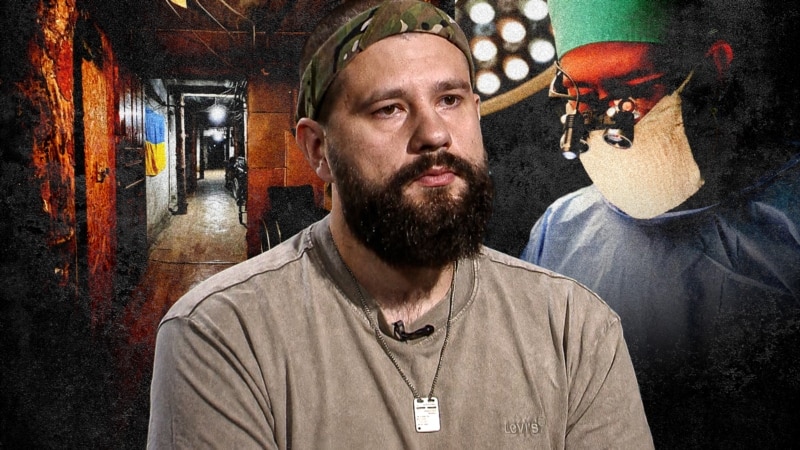
Ukrainian military personnel cite ongoing concerns over rotations, supply procurement, and award equity, while the Defense Ministry advances new medical trauma training.
Ukrainian military personnel and analysts continue to highlight persistent internal challenges alongside institutional reform efforts within the armed forces. Frontline surgeon Bohdan Zhuravel warned that long-term deployments without rotation are creating severe physical and psychological strain on troops, deterring new recruits. Supply procurement also remains problematic; unit commander Yuriy Butusov stated that frontline leaders are still required to independently secure critical equipment due to a lack of centralized accountability. Furthermore, reporting from Українська правда highlighted inequities in military commendations, noting that awards are disproportionately assigned to headquarters staff rather than frontline soldiers.
In response to medical challenges, Ukraine's Ministry of Defense highlighted progress in trauma care, announcing the completion of the international "Tryzub" combat surgery course and plans to establish a dedicated combat trauma competence center to standardize frontline medical procedures.
Sources: Liga net, NV, Радіо Свобода, Українська правда
How outlets assessed this
- Liga net Neutral Focuses on official Ministry of Defense efforts to improve combat surgery training and medical infrastructure.
- NV Critical Highlights frontline commanders' claims of total supply chain failures and lack of institutional accountability.
- Радіо Свобода Critical Emphasizes troop burnout and perceived government neglect through a frontline surgeon's critique of rotation policies.
- Українська правда Critical Exposes systemic inequities in military awards that disproportionately favor brigade headquarters over infantry.
- Oct 28, 2026, 03:30 PM UTC
- Liga net Supportive Focused on Defense Ministry achievements in trauma care training and plans for a medical competence center.
- NV Critical Highlighted systemic supply failures, emphasizing that unit commanders must independently secure gear without central support.
- Радіо Свобода Critical Emphasized soldier burnout and recruitment obstacles caused by a lack of troop rotations.
- Українська правда Critical Reported on systemic inequities in the award system that favor headquarters personnel over frontline troops.
Sources
- NV — «Кожен день я вирішую питання». На фронті немає ніякої відповідальності за забезпечення військ — Бутусов
- Українська правда — Тридцять медалей на бригаду: що не так з нагородною системою у війську
- Радіо Свобода — «Влада повернулася до військових задом»: про несправедливість в армії і порятунок поранених. Розповідь фронтового хірурга Журавля
- Liga net — Курс "Тризуб". У Міноборони розповіли, як посилюють підготовку військових хірургів
Earlier coverage
- Oct 28, 2026, 01:30 PM UTCUkrainian personnel highlight logistical and administrative challenges as Defense Ministry expands medical training
- Oct 28, 2026, 08:00 AM UTCUkrainian military personnel highlight internal supply, rotation, and awards challenges
- Oct 28, 2026, 02:00 AM UTCUkrainian personnel highlight military challenges as defense officials expand medical training
- Oct 28, 2026, 01:30 AM UTCUkrainian personnel highlight internal military strains as defense officials expand combat training
- Oct 27, 2026, 09:00 PM UTCUkrainian soldiers report supply and administrative gaps as defense ministry expands medical training
- Oct 27, 2026, 07:30 PM UTCUkrainian troops highlight frontline supply issues as ministry expands training
- Oct 27, 2026, 02:30 PM UTCUkrainian troops highlight systemic administrative flaws as defense ministry launches medical initiative
- Oct 27, 2026, 01:30 PM UTCUkrainian troops and medics raise concerns over logistics and rotations
- Oct 27, 2026, 09:00 AM UTCUkrainian military personnel cite internal strains as Defense Ministry expands trauma training
- Oct 27, 2026, 07:30 AM UTCUkrainian service members highlight operational strain and supply gaps