
Rising geopolitical risks and drone strikes disrupt global energy routes

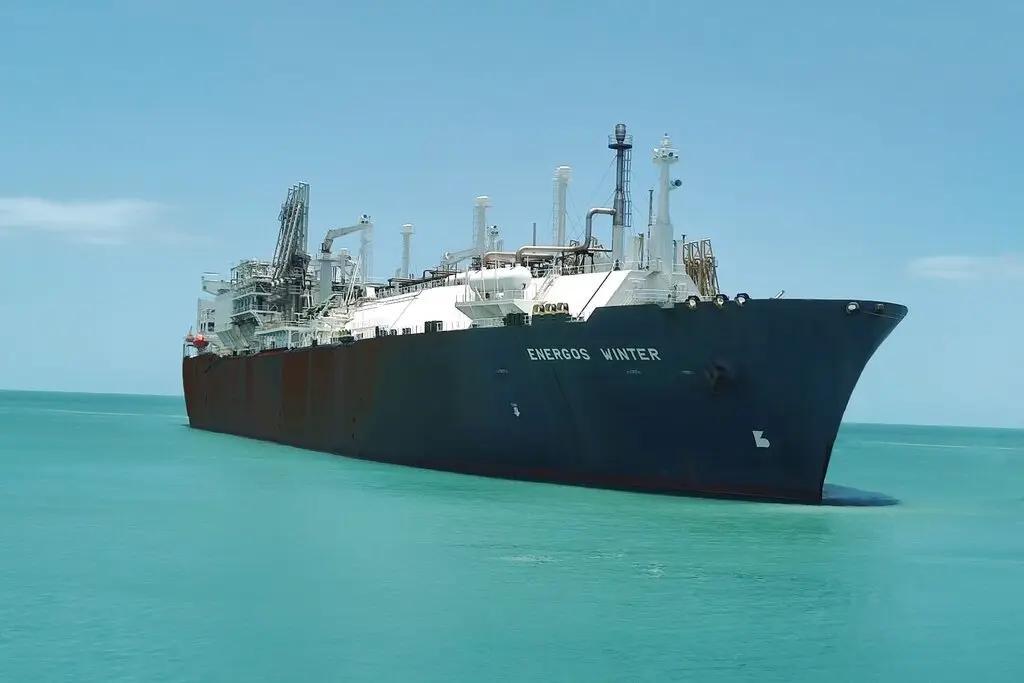
Escalating drone attacks and geopolitical tensions are driving up shipping costs for Russian crude while striking Mediterranean gas infrastructure and threatening global energy flows.
Geopolitical conflicts and drone attacks are increasingly disrupting global energy supply chains and driving up maritime logistics costs. Intensified Ukrainian strikes on Russian oil refineries and tankers—totaling at least 30 attacks in July—have disrupted refining and forced Moscow to extend fuel export bans. Rising security risks have also caused freight rates for shipping Russian crude to India to jump by 50% since mid-July amid vessel shortages.
Meanwhile, a drone strike hit Egypt’s Damietta port facility after Iranian state media labeled the site a potential target, although analysts downplayed immediate impacts on European supplies. Elsewhere, daily crude shipments through the Strait of Hormuz remain steady at three to five million barrels despite persistent tensions between Washington and Tehran.
Sources: NEXTA, Point, The Insider, Радіо Свобода
How outlets assessed this
- Point Cautious Warns that reducing reliance on American technology threatens NATO interoperability and increases European cybersecurity risks.
- The Insider Neutral Frames defense import substitution as an inevitable response to political friction, tariffs, and shifting security guarantees from Washington.
- Point Cautious Focuses on defense industry warnings that dropping US technology threatens software capabilities, cybersecurity, and NATO interoperability.
- The Insider Neutral Frames defense import substitution as a quiet revolution prompted by political disagreements, trade tariffs, and NATO commitment doubts.
- NEXTA Alarmed Emphasizes European Defence Agency warnings that current EU rearmament is too slow and inefficient to deter Russia by 2030.
- Belsat Neutral Highlights the extreme cost imbalance of launching million-euro missiles against cheap drones on NATO's eastern flank.
- The Insider Supportive Framed the move away from US tech as a necessary step for security independence amid trade friction and shifting US priorities.
- Point Skeptical Highlighted defense industry warnings that abandoning American technology risks inferior systems, cybersecurity vulnerabilities, and poor NATO integration.
- The Insider Supportive Frames European import substitution as a necessary response to growing trade tensions and political friction with Washington.
- Point Alarmed Highlights defense sector warnings that cutting US technology risks poorer NATO coordination, cyber vulnerabilities, and inferior military systems.
- NEXTA Cautious Focuses on European Defence Agency warnings that current rearmament initiatives are too slow and fragmented to deter potential aggression.
- Belsat Cautious Emphasizes the financial imbalance of using million-euro missiles against cheap drone threats along Europe's eastern flank.
- Point Cautious Highlighted defense industry warnings that phasing out US technology risks inferior systems, cyber threats, and NATO interoperability issues.
- The Insider Supportive Framed EU defense import substitution as a necessary response to US political volatility, tariff threats, and potential NATO disengagement.
- Point Cautious Warns that replacing US technology risks lowering defense capabilities, increasing cyber threats, and disrupting NATO coordination.
- The Insider Supportive Frames the shift away from American arms as a necessary response to political tensions and trade disputes with Washington.
- Point Cautious Highlights defense industry warnings that replacing US technology risks inferior systems, cyber vulnerabilities, and reduced NATO coordination.
- The Insider Neutral Frames reducing reliance on US military hardware as a necessary strategic response to political and trade friction with Washington.
- Point Cautious Emphasizes defense industry warnings that replacing US military tech will heighten cyber risks and weaken coordination.
- The Insider Supportive Frames Europe's push to phase out US arms as a necessary move toward self-reliance amid political disputes.
- The Insider Supportive Frames EU defense import substitution as a necessary shift toward strategic independence following transatlantic political rifts.
- Point Alarmed Emphasizes defense industry warnings that dropping US technology risks weaker capabilities, cyber threats, and NATO friction.
Sources
- NEXTA — Меняющиеся удары Украины усиливают неопределённость вокруг российской нефти
- The Insider — Иран назвал египетский Думьят целью возможного ответа Украине, после чего СПГ-терминал попал под атаку. Объект не снабжал газом ЕС
- Point — CNN: Через Ормузский пролив ежедневно проходят до 5 млн баррелей нефти
- Радіо Свобода — Reuters: ціна перевезення нафти з Росії до Індії морем зросла на 50%
Earlier coverage
- Oct 16, 2026, 01:00 AM UTCEuropean defense autonomy efforts encounter industry pushback and strategic hurdles
- Oct 16, 2026, 12:00 AM UTCEU military autonomy push faces industry pushback and strategic hurdles
- Oct 14, 2026, 07:00 PM UTCEU rearmament faces hurdles amid tech replacement push and cost imbalances
- Oct 12, 2026, 11:30 PM UTCEU faces mounting hurdles in push for defense autonomy
- Oct 12, 2026, 05:30 PM UTCEU defense autonomy push faces industry pushback and security warnings
- Oct 12, 2026, 11:30 AM UTCEuropean defense autonomy efforts face warnings over industry risks and high costs
- Oct 11, 2026, 11:30 PM UTCEuropean Union faces operational and financial hurdles in drive for defense autonomy
- Oct 11, 2026, 05:30 PM UTCEuropean Union faces hurdles in push for defense autonomy
- Oct 11, 2026, 11:30 AM UTCEuropean Union faces operational hurdles in bid for defense independence
- Oct 8, 2026, 06:00 PM UTCEU defense autonomy push encounters industry pushback and rearmament delays