
Research examines population displacement and partition legacy in Cyprus

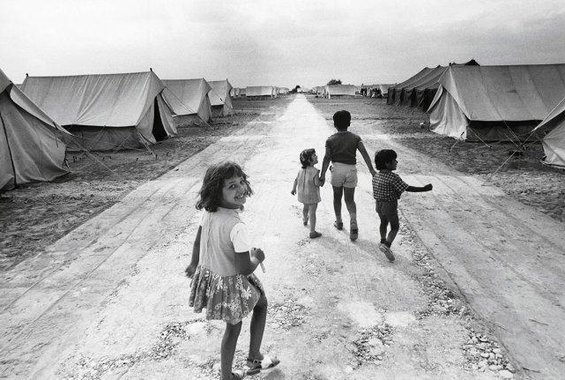
A retrospective analysis highlights how displacement after the 1974 invasion and the Third Vienna Agreement entrenched the bizonal partition of Cyprus.
Historical analysis following the 1974 Turkish invasion of Cyprus underscores the enduring political and social impact of mass population displacement on the island. The military actions triggered extensive civilian relocations, reshaping the demographic map of Cyprus relative to its population size.
Subsequent arrangements under the Third Vienna Agreement in 1975 aimed to address urgent humanitarian needs and provide protection for isolated communities. However, analysts emphasize that the pact ultimately solidified the island's division into distinct zones. This bizonal structure established fifty years ago remains a central factor shaping contemporary political discourse and ongoing efforts to resolve the Cyprus issue.
Sources: Phileleftheros
Sources
Earlier coverage
- Oct 11, 2026, 04:00 AM UTCCyprus reflects on 1974 mass displacements and the Third Vienna Agreement
- Oct 10, 2026, 04:00 AM UTCCyprus reflects on 1974 population displacement and the Third Vienna Agreement
- Oct 9, 2026, 10:00 AM UTCDisplacement following 1974 invasion in Cyprus sealed island's division
- Oct 9, 2026, 05:00 AM UTCCyprus reflects on 1974 population displacement and the Third Vienna Agreement
- Oct 7, 2026, 05:00 AM UTCHistorical retrospective examines lasting impact of 1974 Cyprus displacement
- Oct 4, 2026, 03:30 AM UTCHistorical review details demographic impact of 1974 invasion on Cyprus
- Oct 3, 2026, 03:30 PM UTCAnalysis highlights lasting impact of 1974 displacement in Cyprus
- Oct 3, 2026, 03:30 AM UTCCyprus marks legacy of 1974 displacement and Third Vienna Agreement
- Oct 2, 2026, 10:30 PM UTCHow the 1974 division and Vienna pact shaped modern Cyprus
- Oct 1, 2026, 02:30 AM UTCLegacy of 1974 Cyprus displacement shapes ongoing island division