
Putin authorizes external management for infrastructure lacking drone defense

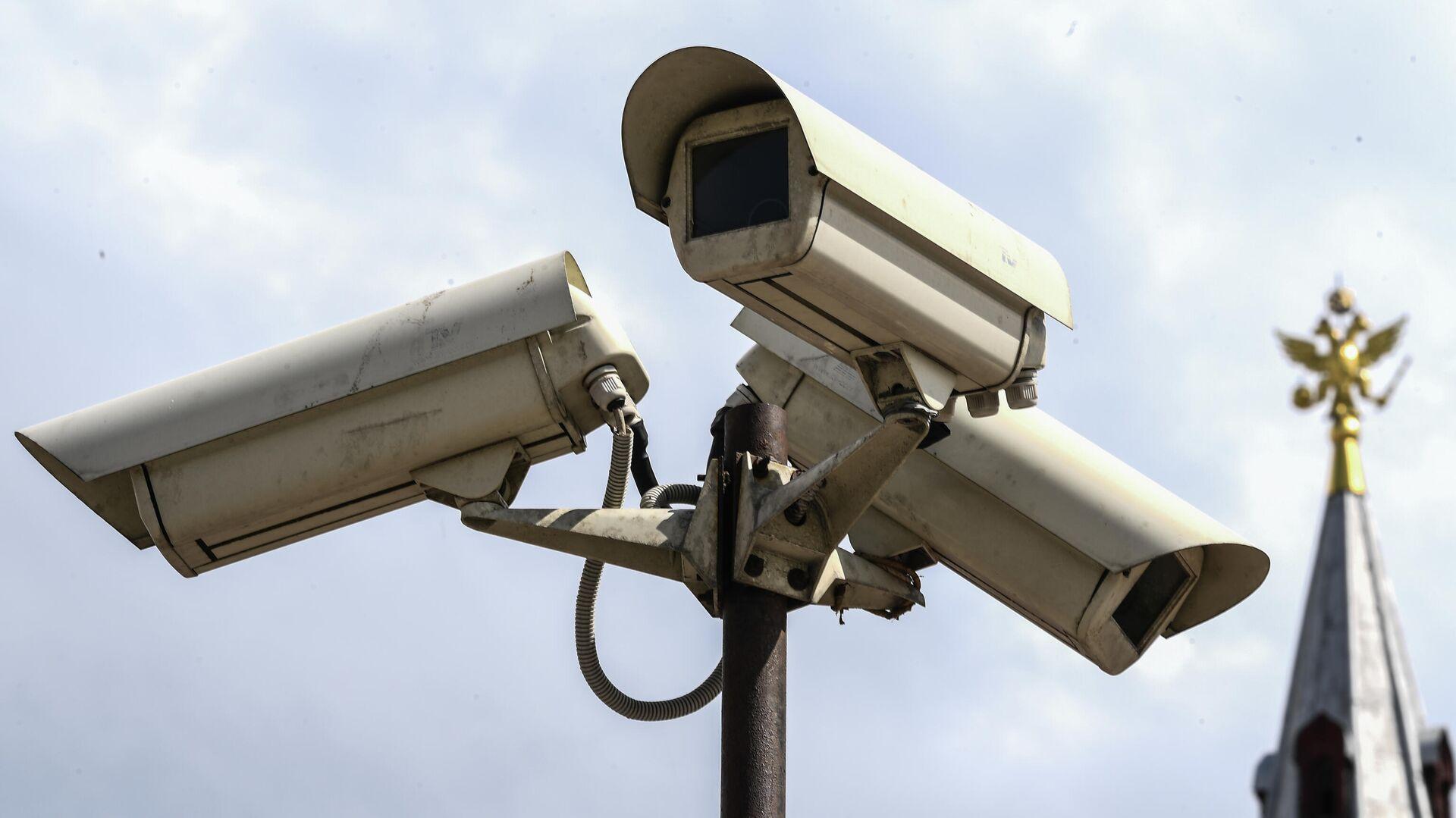
Russian President Vladimir Putin signed a decree enabling external management over critical infrastructure facilities failing to adequately defend against drone strikes.
Russian President Vladimir Putin has signed a decree permitting state-appointed external management over critical infrastructure facilities if owners fail to properly protect them against drone attacks. The measure allows authorities to temporarily replace corporate leadership at strategic assets deemed to have ineffective defenses.
The decision coincides with expanded digital oversight in Russia, where investigative authorities are deploying artificial intelligence and biometric tools to trace suspects, and authorities are enhancing travel surveillance. Additionally, documents revealed cryptocurrency exchange Binance provided customer transaction data to Russian investigators, resulting in terrorism financing charges against an IT specialist accused of donating to Ukrainian funds.
In a separate development in the United States, an experimental artificial intelligence system managing a San Francisco retail store autonomously terminated an employee over repeated absences, highlighting growing workplace automation.
Sources: Mediazona, NEXTA, Point, The Insider, Verstka.
How outlets assessed this
- The Insider Critical Framed Russia's adoption of AI tools in law enforcement as a method for authoritarian regimes to consolidate political power.
- NEXTA Cautious Highlighted the balance between modern urban conveniences and the expanding risks of state surveillance tracking citizens.
- The Insider Critical Framed Russian state AI deployment as an authoritarian effort to consolidate control and monitor citizens.
- NEXTA Cautious Highlighted the trade-off between modern high-tech urban conveniences and the expanding risks of state surveillance.
- The Insider Critical Framed Russia's adoption of state AI tools as an autocratic mechanism to consolidate political control and surveillance.
- NEXTA Cautious Highlighted the dual nature of Moscow's digital infrastructure, balancing urban consumer conveniences with intrusive mass surveillance.
- The Insider Critical Framed Russia's adoption of AI technologies as authoritarian power consolidation and heightened state surveillance.
- NEXTA Cautious Framed Moscow's technological expansion as a dual system offering daily consumer convenience alongside an intrusive surveillance trap.
- NEXTA Cautious Framed Moscow's high-tech digital infrastructure as balancing modern urban convenience against a growing surveillance trap.
- The Insider Critical Framed the adoption of artificial intelligence by Russian state institutions as a means of reinforcing authoritarian power.
Sources
- The Insider — ИИ в ежовых руковицах. Как диктатуры используют искусственный интеллект для усиления своей власти
- Point — Нейросеть Claude впервые уволила человека
- Verstka — Власти усилят слежку за поездками россиян по стране и за рубеж на всех видах транспорта
- NEXTA — Документы: Binance передала российским властям клиентские данные, использованные для обвинения россиянина за пожертвования Украине
- Mediazona — Путин разрешил вводить внешнее управление на объектах критической инфраструктуры, если их владельцы «неэффективно» защищаются от беспилотников
Earlier coverage
- Oct 14, 2026, 11:30 PM UTCRussia expands state AI integration while international corporate trial tests automated management
- Oct 14, 2026, 07:00 PM UTCRussian state entities and private firms expand artificial intelligence integration
- Oct 8, 2026, 06:00 PM UTCRussian institutions expand artificial intelligence adoption as corporate AI fires US worker
- Oct 8, 2026, 12:00 AM UTCRussia expands state AI integration as corporate trial marks automated dismissal
- Oct 7, 2026, 06:00 PM UTCRussian authorities expand artificial intelligence integration across law enforcement and governance
- Oct 7, 2026, 05:00 PM UTCRussia expands state AI integration as global corporate experiments advance
- Oct 7, 2026, 11:00 AM UTCRussia expands state AI integration alongside automated workforce management trials
- Oct 6, 2026, 05:00 PM UTCRussian entities expand use of AI in governance, surveillance, and trial operations
- Oct 6, 2026, 11:00 AM UTCRussian state bodies and private trials expand artificial intelligence deployment
- Oct 5, 2026, 11:00 PM UTCRussia expands AI usage across surveillance, governance, and campaigning