
Low Danube water levels trigger energy emergencies in Southeastern Europe

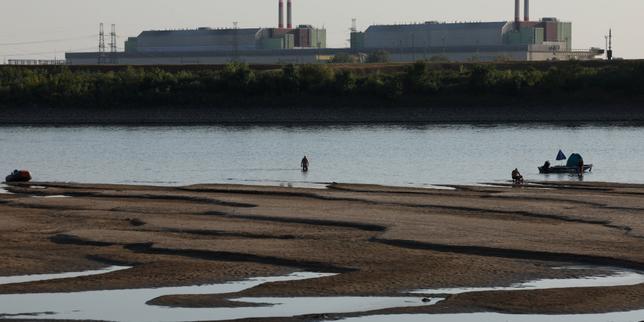
Record-low water levels on the Danube River have forced Romania to declare a state of emergency and use military explosives to maintain cooling water for its main nuclear power plant.
Low water levels along the Danube River have triggered energy challenges across Southeastern and Central Europe. In Romania, where river flow dropped to less than a third of its seasonal average, authorities declared a month-long national state of emergency after cooling water shortages forced reduced output at the Cernavodă nuclear power plant.
To increase flow to the facility's intake canal, the Romanian military used explosives on Monday to blast rock formations obstructing the riverbed. The Cernavodă plant typically supplies around 20% of Romania's electricity. Meanwhile, Serbia faces power shortages due to reduced hydroelectric output, and low water levels have disrupted river navigation while exposing unexploded WWII ordnance in Slovakia.
Sources: Dagens Industri, Die Presse, Le Monde, NOS, NU
Sources
- Die Presse — Notstand in Südosteuropa: Rumänien und Serbien haben zu wenig Strom [premium]
- Dagens Industri — Låga vattennivåer – fler kärnkraftverk på väg stängas
- NU — Donau valt droog: Roemenië verlegt stroming, Slowakije vindt zeemijn op oever
- Le Monde — L’assèchement du Danube met les pays d’Europe centrale au bord d’une crise énergétique
- NOS (Nederlandse Omroep Stichting) — Roemenië blaast rotsen in Donau op om koelwater bij kerncentrale te krijgen
Earlier coverage
- Aug 10, 2026, 03:30 PM UTCHungary turns off landmark lighting as drought deepens energy crisis
- Aug 5, 2026, 02:00 AM UTCHungary's Paks nuclear plant narrowly avoids shutdown amid severe Danube drought
- Aug 4, 2026, 03:00 PM UTCRomania uses explosives in Danube to maintain nuclear plant cooling