
Iran shifts to offensive stance as United States pivots to economic pressure

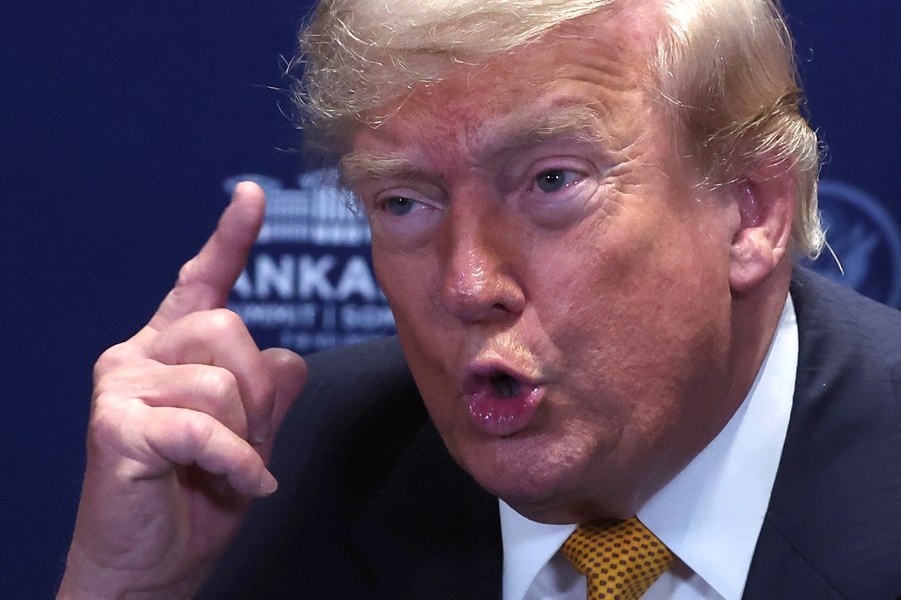
Tehran has declared an offensive military strategy following the expiration of the 60-day ceasefire, while Washington pivots toward economic pressure.
Tensions between Tehran and Washington have escalated following the expiration of a 60-day temporary ceasefire memorandum. Iranian military leadership announced a transition to a "completely offensive" posture, vowing to persist until securing the "complete defeat" of American forces in the region. Meanwhile, the United States confirmed it has no plans to extend the truce.
However, Washington appears to be recalibrating its strategy, favoring economic pressure over immediate military strikes. Reports indicate U.S. officials are assessing options to secure maritime access through the Strait of Hormuz without demanding a formal nuclear agreement, even as peace talks remain deadlocked.
Sources: Adevărul, Digi24, Flux24, HotNews, Ziarul de Gardă
How outlets assessed this
- Sep 1, 2026, 09:00 PM UTC
- Flux24 Skeptical Framed the U.S. shift away from nuclear demands as a sign of weakness that emboldened Tehran during negotiations.
- HotNews Neutral Focused on diplomatic details from Miami explaining the deal as a push to resume peace talks.
- Digi24 Critical Highlighted expert warnings framing Ukraine as a scapegoat and cautioning that revenues could support Iran.
- Moldova1 Cautious Emphasized bipartisan congressional pushback in Washington and domestic political motivations behind fuel prices.
- Digi24 Critical Highlighted expert warnings about Russian revenue supporting Iran and blamed US leadership for scapegoating Kyiv.
- HotNews Neutral Focused on diplomatic details from Miami explaining the deal as a peace negotiation strategy.
- Moldova1 Cautious Emphasized bipartisan backlash in US Congress and domestic fuel price pressures before midterms.
- Digi24 Critical Framed the agreement around expert warnings that Ukraine is being scapegoated and that revenues could fund Iranian operations.
- HotNews Neutral Focused on diplomatic details from the Miami meeting explaining the deal as an incentive for peace negotiations.
- Digi24 Critical Highlighted expert views that the deal scapegoats Ukraine and provides Russia revenue that could support Iran.
- HotNews Neutral Focused on explanations given by US envoys that the arrangement aims to re-engage Moscow in peace talks.
- Moldova1 Critical Emphasized bipartisan congressional backlash over granting Moscow economic relief to lower domestic fuel prices.
- Digi24 Critical Emphasized expert claims that Trump is making Ukraine a scapegoat and that Russian diesel revenues could fund Iran.
- HotNews Neutral Focused on diplomatic details from Miami showing US envoys framing the deal as leverage to restart peace talks.
- Moldova1 Cautious Highlighted bipartisan backlash in Washington and concerns that fuel price relief is tied to upcoming US midterm elections.
Sources
- Flux24 — Trump vrea să încheie războiul cu Iranul fără un acord nuclear. Teheranul simte slăbiciunea și negociază dur
- Adevărul — SUA își schimbă strategia față de Iran: în locul unei noi ofensive, presiune economică
- HotNews — Iranul spune că urmărește „înfrângerea completă” a SUA
- Digi24 — Iranul susține că urmărește „înfrângerea completă a dușmanilor”: „Nu vom ceda în faţa Statelor Unite”
- Ziarul de Gardă — Iranul trece la o strategie militară „complet ofensivă”, după eșecul negocierilor cu SUA
Earlier coverage
- Oct 19, 2026, 02:30 PM UTCUS envoys defend Trump-Putin diesel deal amid bipartisan and international backlash
- Oct 19, 2026, 12:00 PM UTCUS backlash grows over Trump's Russian diesel agreement
- Oct 19, 2026, 08:00 AM UTCUS agreement on Russian diesel exports triggers widespread backlash
- Oct 18, 2026, 08:00 PM UTCUS deal on Russian diesel draws criticism in Washington and Kyiv
- Oct 18, 2026, 02:00 PM UTCUS decision on Russian diesel imports draws criticism and strategic scrutiny
- Oct 18, 2026, 08:00 AM UTCUS-Russia diesel agreement draws ongoing criticism from lawmakers and analysts
- Oct 18, 2026, 02:30 AM UTCTrump's diesel arrangement with Russia draws widespread bipartisan and international backlash
- Oct 18, 2026, 12:30 AM UTCUS-Russia diesel agreement sparks widespread political and diplomatic backlash
- Oct 17, 2026, 08:00 PM UTCUS-Russia diesel agreement sparks domestic and international pushback
- Oct 17, 2026, 02:30 PM UTCUS envoys defend Russian diesel deal as push for peace despite widespread criticism