
Iran shifts to offensive stance as truce with U.S. expires

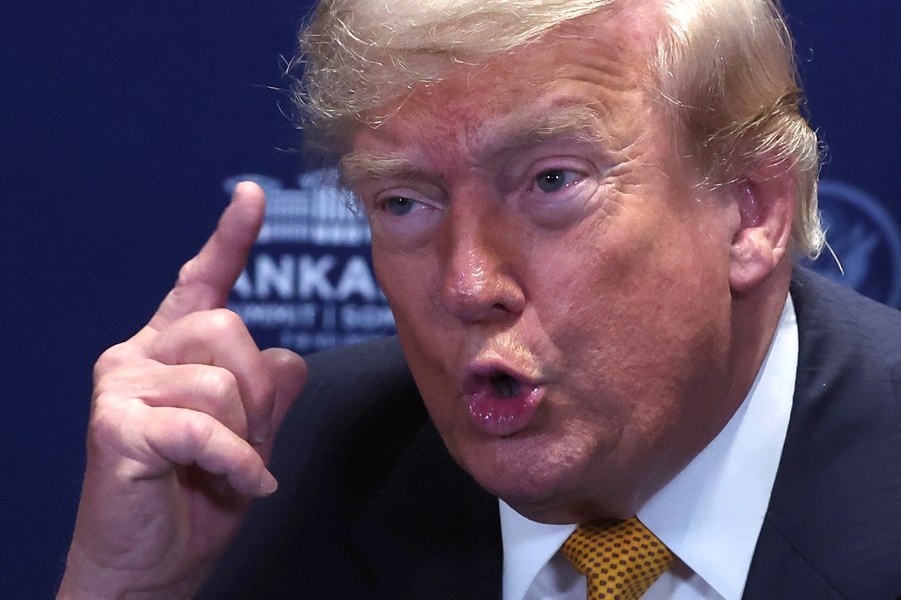
Peace talks between Washington and Tehran have stalled following the expiration of a 60-day ceasefire, with Iran declaring an offensive strategy while the U.S. shifts to economic pressure.
Following the expiration of a 60-day truce memorandum, peace negotiations between Washington and Tehran have collapsed, prompting Iran to adopt a "fully offensive" military posture. Iranian military officials declared they will pursue the "complete defeat" of U.S. forces in the region before halting operations.
Concurrently, Washington confirmed it will not renew the temporary ceasefire. However, rather than launching immediate new military strikes, the U.S. administration is pivoting toward heightened economic pressure. U.S. President Donald Trump privately signaled a willingness to conclude the conflict without a formal nuclear agreement, aiming instead to secure the reopening of the Strait of Hormuz. Reports indicate Iranian officials view the U.S. focus on economic measures rather than renewed military action as a signal of strategic hesitation.
Sources: Adevărul, Digi24, Flux24, HotNews, Ziarul de Gardă
How outlets assessed this
- Sep 8, 2026, 08:30 PM UTC
- Flux24 Skeptical Framed Washington's willingness to end the conflict without a nuclear deal as a sign of weakness that Tehran is exploiting.
- Adevărul Neutral Focused on the U.S. strategy shift toward economic sanctions rather than immediate military escalation.
- Digi24 Critical Highlighted expert commentary accusing the US administration of making Ukraine a scapegoat and aiding Russian revenue streams.
- HotNews Neutral Focused on explaining the Miami diplomatic discussions where US officials presented the deal as peace leverage.
- Moldova1 Cautious Emphasized bipartisan criticism from US lawmakers concerned about weakening sanctions ahead of US midterm elections.
- Digi24 Critical Emphasized expert views framing Ukraine as a political scapegoat and warning that diesel revenue could support Iran.
- HotNews Neutral Focused on diplomatic explanations from Miami talks framing the deal as a lever to reopen peace negotiations.
- Moldova1 Cautious Highlighted bipartisan congressional backlash and White House motives to curb domestic fuel prices before elections.
- Digi24 Critical Emphasized expert warnings that diesel revenues could aid Iran and criticized Trump's treatment of Ukraine.
- HotNews Neutral Focused on diplomatic explanations provided by US envoys during talks with Ukrainian representatives in Miami.
- Moldova1 Skeptical Highlighted bipartisan congressional criticism and suggested the policy is driven by upcoming US midterm elections.
- Digi24 Alarmed Highlighted expert warnings that Ukraine is being scapegoated and that Russian diesel revenues could be routed to assist Iran.
- HotNews Neutral Focused on the diplomatic explanations provided by US diplomats during talks with Ukrainian representatives in Miami.
- Moldova1 Critical Emphasized political pushback within the US Congress against prioritizing domestic fuel prices over international security.
- Digi24 Critical Highlighted expert criticism accusing the US of sacrificing Ukrainian interests and potentially enabling Russian financial support for Iran.
- HotNews Neutral Focused on official US diplomatic briefings presenting the fuel agreement as a leverage tool to bring Moscow to peace talks.
- Moldova1 Critical Emphasized bipartisan backlash in US Congress, framing the move as a domestic effort to curb pre-midterm fuel prices.
- Digi24 Critical Highlighted expert warnings about potential Russian funding for Iran and accused Washington of treating Ukraine as a scapegoat.
- HotNews Neutral Focused on American diplomatic attempts in Miami to present the deal as leverage for peace negotiations.
- Moldova1 Critical Centered on bipartisan backlash in the US Congress against domestic energy price manipulation before midterms.
Sources
- Flux24 — Trump vrea să încheie războiul cu Iranul fără un acord nuclear. Teheranul simte slăbiciunea și negociază dur
- Adevărul — SUA își schimbă strategia față de Iran: în locul unei noi ofensive, presiune economică
- HotNews — Iranul spune că urmărește „înfrângerea completă” a SUA
- Digi24 — Iranul susține că urmărește „înfrângerea completă a dușmanilor”: „Nu vom ceda în faţa Statelor Unite”
- Ziarul de Gardă — Iranul trece la o strategie militară „complet ofensivă”, după eșecul negocierilor cu SUA
Earlier coverage
- Oct 25, 2026, 06:30 PM UTCUS decision to permit Russian diesel sales draws intense criticism
- Oct 25, 2026, 02:00 PM UTCUS faces political and diplomatic fallout over Russian diesel agreement
- Oct 25, 2026, 08:00 AM UTCUS-Russia diesel deal faces bipartisan backlash and Ukrainian frustration
- Oct 24, 2026, 08:30 PM UTCUS envoys defend Russian diesel deal as domestic and international backlash grows
- Oct 24, 2026, 06:00 PM UTCUS-Russia diesel deal sparks bipartisan criticism and Ukrainian concern
- Oct 24, 2026, 02:30 PM UTCUS diesel deal with Russia faces domestic and international backlash
- Oct 24, 2026, 08:30 AM UTCUS envoys defend Russian diesel deal as domestic and international backlash grows
- Oct 24, 2026, 02:30 AM UTCTrump's diesel arrangement with Russia faces growing international and domestic criticism
- Oct 23, 2026, 08:30 PM UTCUS-Russia diesel agreement draws bipartisan criticism and Ukrainian concern
- Oct 23, 2026, 03:00 PM UTCUS envoys defend Trump's diesel deal with Putin amid widespread backlash