
Iran adopts offensive stance as U.S. shifts strategy toward economic pressure

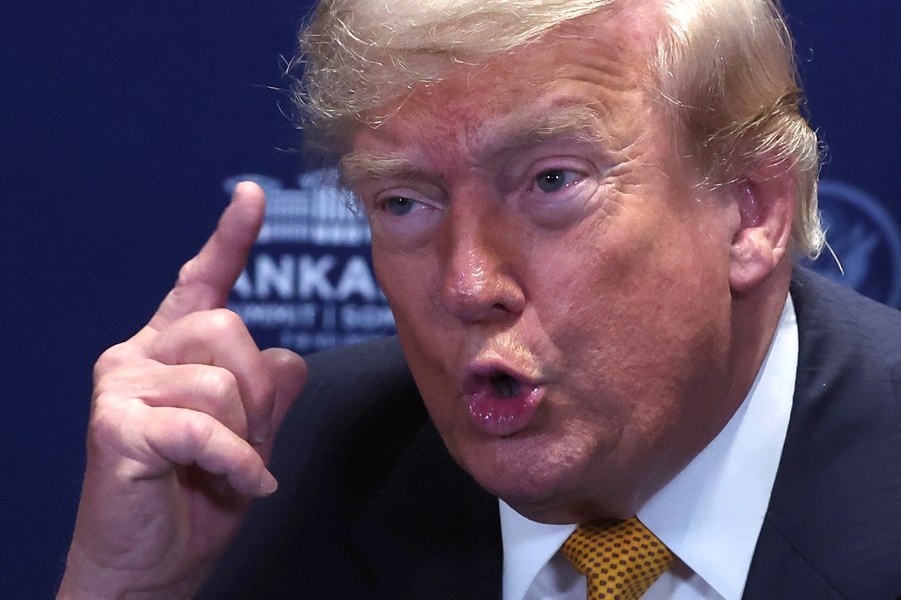
Iran announced a transition to an offensive military posture as peace talks with the U.S. stalled and a 60-day ceasefire memorandum expired.
Following the expiration of a 60-day temporary ceasefire memorandum, Iran has shifted to a "completely offensive" military posture. Iranian armed forces declared they would not yield until securing the "complete defeat" of American forces in the region after formal peace negotiations reached a standstill.
In response, Washington announced it will not extend the truce, though U.S. leadership is reportedly pivoting toward heightened economic sanctions rather than immediate military strikes. Reports indicate Washington may seek to secure maritime access through the Strait of Hormuz even without a comprehensive nuclear agreement.
Sources: Adevărul, Digi24, Flux24, HotNews, Ziarul de Gardă
How outlets assessed this
- Sep 2, 2026, 02:00 AM UTC
- Flux24 Critical Framed U.S. willingness to end the war without a nuclear deal as a sign of weakness exploited by Tehran.
- Adevărul Neutral Framed the U.S. strategy as a pragmatic tactical pivot toward economic pressure rather than military escalation.
- Digi24 Skeptical Highlighted that permitting Russian diesel exports is unlikely to soften Moscow's stance given its persistent territorial demands on Donbas.
- Moldova1 Critical Focused on bipartisan opposition in the US Congress and linked the deal to lowering fuel prices before midterm elections.
- HotNews Neutral Focused on diplomatic details from Miami explaining the deal as a push to resume peace talks.
- Digi24 Critical Highlighted expert warnings framing Ukraine as a scapegoat and cautioning that revenues could support Iran.
- Moldova1 Cautious Emphasized bipartisan congressional pushback in Washington and domestic political motivations behind fuel prices.
Sources
- Flux24 — Trump vrea să încheie războiul cu Iranul fără un acord nuclear. Teheranul simte slăbiciunea și negociază dur
- Adevărul — SUA își schimbă strategia față de Iran: în locul unei noi ofensive, presiune economică
- HotNews — Iranul spune că urmărește „înfrângerea completă” a SUA
- Digi24 — Iranul susține că urmărește „înfrângerea completă a dușmanilor”: „Nu vom ceda în faţa Statelor Unite”
- Ziarul de Gardă — Iranul trece la o strategie militară „complet ofensivă”, după eșecul negocierilor cu SUA
Earlier coverage
- Oct 17, 2026, 02:30 PM UTCUS envoys defend Russian diesel deal as push for peace despite widespread criticism
- Oct 17, 2026, 12:00 PM UTCUS envoys defend Trump-Putin diesel deal as step toward peace talks
- Oct 17, 2026, 08:00 AM UTCUS envoys justify Russian diesel agreement to Kyiv despite bipartisan backlash
- Oct 17, 2026, 02:00 AM UTCUS envoys brief Ukraine on Russian diesel deal amid criticism
- Oct 16, 2026, 08:30 PM UTCU.S. envoys defend Russian diesel deal to Ukraine amid domestic criticism
- Oct 16, 2026, 02:30 PM UTCUS agreement on Russian diesel sparks Ukrainian concern and congressional criticism
- Oct 16, 2026, 08:00 AM UTCUS envoys defend Russian diesel deal as push to revive peace talks
- Oct 16, 2026, 02:00 AM UTCTrump's plan to allow Russian diesel exports draws pushback from Kyiv and US Congress
- Oct 15, 2026, 02:30 PM UTCUS envoys defend Russian diesel deal as step toward Ukraine peace talks
- Oct 15, 2026, 08:00 AM UTCUS envoys frame Russian diesel deal as strategy to revive Ukraine peace talks