
Historical analyses highlight 1989 as a global geopolitical turning point

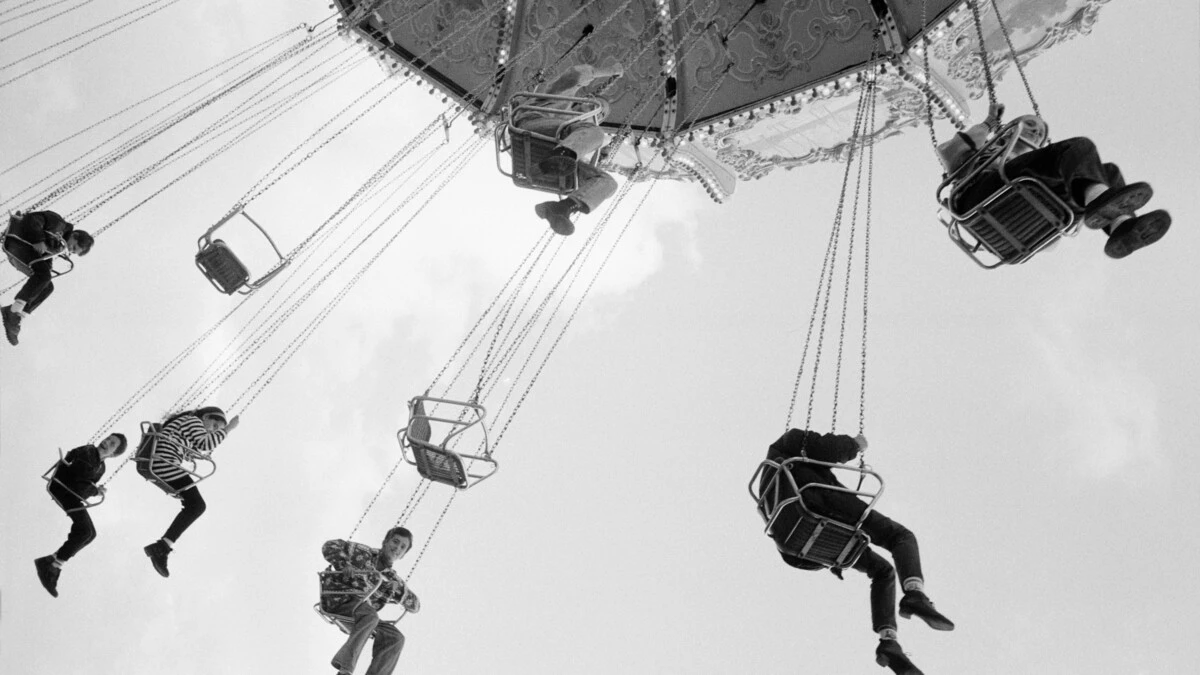
Analyses mark 1989 as a foundational turning point for modern geopolitics, driven by events in Berlin, Beijing, and Afghanistan.
Historical analyses continue to identify 1989 as a decisive catalyst for the contemporary global political order. While Western narratives often center on the fall of the Berlin Wall and the collapse of communist regimes across Central and Eastern Europe, simultaneous events in Asia profoundly reshaped international dynamics. In China, the crackdown on pro-democracy demonstrations in Tiananmen Square consolidated political control while accelerating state-guided market reforms. Simultaneously, the complete withdrawal of Soviet forces from Afghanistan signaled a major decline in Moscow's international influence, creating long-term strategic realignments in the region. Together, these pivotal events dismantled the bipolar Cold War framework, establishing the foundation for the complex multipolar dynamics defining twenty-first-century geopolitical relations.
Sources: Die Presse
Sources
Earlier coverage
- Oct 29, 2026, 07:30 AM UTCAnalysis highlights 1989 as a multifaceted turning point for modern geopolitics
- Oct 28, 2026, 07:00 AM UTCHistorical perspective frames 1989 as crucial turning point for modern global order
- Oct 28, 2026, 01:00 AM UTCHistorical analysis frames 1989 as a multifaceted global turning point
- Oct 27, 2026, 07:00 AM UTCHistorical retrospective marks 1989 as a global turning point beyond Europe
- Oct 26, 2026, 01:00 AM UTCGlobal legacy of 1989 extends beyond the fall of the Berlin Wall
- Oct 24, 2026, 01:00 AM UTCHow the global events of 1989 shaped today's multipolar world
- Oct 20, 2026, 12:30 AM UTCHistorians reframe 1989 as a multifaceted turning point for global power
- Oct 14, 2026, 10:30 PM UTCHistorians frame 1989 as the pivotal turning point shaping modern global order
- Oct 14, 2026, 05:00 PM UTCHistorians highlight 1989 as global turning point for modern world order
- Oct 14, 2026, 11:00 AM UTCHistorians frame 1989 as a global turning point that shaped the modern world