
Austrian prosecutors detail Kurz polling scandal in comprehensive report

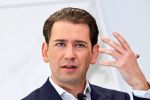
Austrian prosecutors have issued a 1,435-page report on the Kurz polling scandal, while domestic commentary focuses on presidential speeches and frontline reports emerge from Ukraine.
Austria's Economic Affairs and Corruption Prosecutor's Office (WKStA) has compiled a 1,435-page report detailing the polling scandal surrounding former Chancellor Sebastian Kurz. The document outlines how public funds were allegedly used in the "Beinschab tool" scheme to manipulate opinion polls, contributing to Kurz's political rise and eventual 2021 resignation.
In domestic politics, national commentary has highlighted the role of President Alexander Van der Bellen's summer festival addresses, which frequently prompt widespread media analysis across the country.
Meanwhile, frontline coverage from Ukraine details the operational reality of drone warfare near Zaporizhzhia, where soldiers of the 82nd Brigade rely on satellite communications and concealed village positions.
Sources: Der Standard, Die Presse, Profil.
Sources
Earlier coverage
- Oct 14, 2026, 10:30 PM UTCHistorians frame 1989 as the pivotal turning point shaping modern global order
- Oct 14, 2026, 05:00 PM UTCHistorians highlight 1989 as global turning point for modern world order
- Oct 14, 2026, 11:00 AM UTCHistorians frame 1989 as a global turning point that shaped the modern world
- Oct 14, 2026, 04:30 AM UTCHistorians frame 1989 as pivotal year shaping modern multipolar world
- Oct 13, 2026, 10:30 PM UTCHistorians frame 1989 as pivotal year shaping modern multipolar world order
- Oct 13, 2026, 05:00 PM UTCHistorians frame 1989 as pivotal turning point for modern geopolitics
- Oct 13, 2026, 11:00 AM UTCHistorians frame 1989 as global turning point for modern geopolitics
- Oct 13, 2026, 04:30 AM UTCHistorians reframe 1989 as pivotal foundation of 21st-century global order
- Oct 12, 2026, 10:30 PM UTCHistorians mark 1989 as pivotal turning point shaping modern geopolitics
- Oct 12, 2026, 04:30 PM UTCHistorians frame 1989 as pivotal shift in modern global politics