
US and Russia Explore Return of Russian Gas to Europe

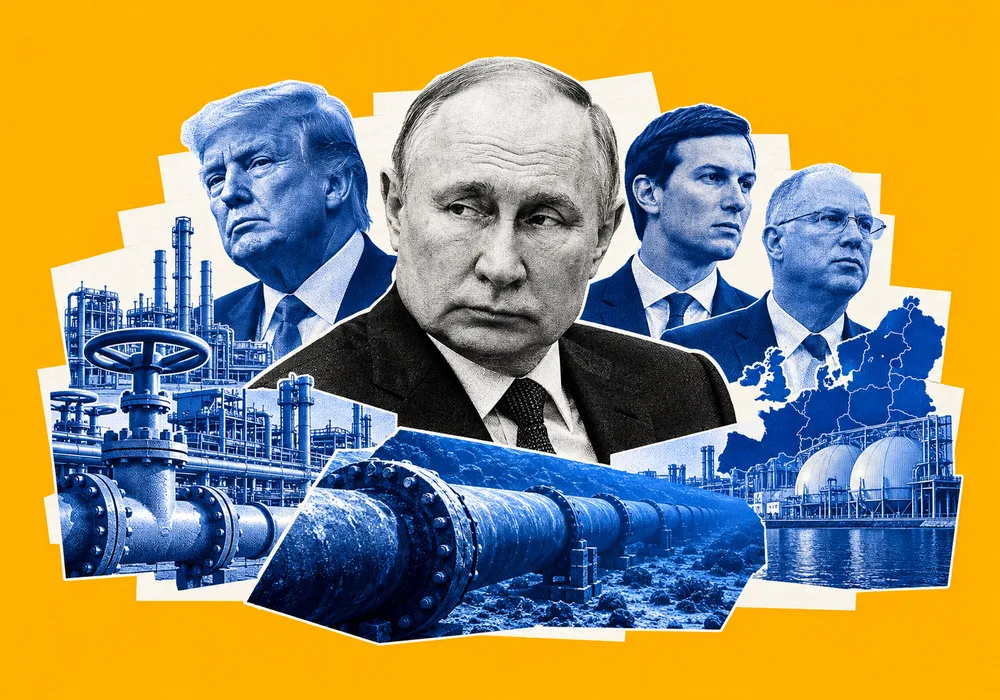
The US and Russia are exploring a possible return of Russian gas to Europe, including potential US involvement in the Nord Stream infrastructure. The idea could offer economic incentives for Moscow and investment opportunities for Washington, but would directly challenge the EU's post-2022 strategy of reducing dependence on Russian energy.
The United States and Russia are exploring the possibility of restoring Russian gas supplies to Europe as part of a broader discussion about future economic relations between Washington and Moscow, Reuters reported on October 8. The talks have reportedly included the potential involvement of US investors in the Nord Stream pipeline system, which could eventually allow Russian gas to return to European markets if the war in Ukraine ends and sanctions are eased. The discussions indicate that energy infrastructure and access to European markets could become part of a wider economic package surrounding potential negotiations over the war.
The idea is being discussed by US Special Envoy Jared Kushner and Kirill Dmitriev, a close adviser to Russian President Vladimir Putin who has been involved in contacts with Washington. The proposed model would differ from the pre-war arrangement because American investors could have a financial stake in the infrastructure and potentially in future gas sales. For Moscow, such a deal would offer a route back into one of its most important export markets; for Washington, it could create commercial opportunities while giving the US greater influence over Europe's energy infrastructure.
Nord Stream could become an economic bargaining chip
Nord Stream is particularly significant because the pipelines became one of the main symbols of Europe's dependence on Russian energy. Before Russia's full-scale invasion of Ukraine, Germany received a large share of its natural gas from Russia through direct pipeline connections, allowing German industry to benefit from relatively cheap supplies. The destruction of sections of Nord Stream in 2022 and the subsequent collapse of Russian pipeline exports fundamentally changed the European energy market.
A possible revival would therefore represent more than simply reopening an unused pipeline. It would challenge the energy-security strategy that European governments have built since 2022 around reducing dependence on Russian supplies. Even if American companies became involved in the ownership or operation of the infrastructure, the gas would still originate in Russia, meaning that the underlying geopolitical relationship between Europe and Moscow would not disappear.
The proposed US involvement could nevertheless make the idea politically different from the old German-Russian energy model. Instead of Berlin and Moscow directly controlling a major bilateral energy relationship, Washington could become financially and strategically involved in the infrastructure. That would potentially turn Russian gas into an asset within a broader US-Russia commercial relationship rather than simply restoring the system that existed before the invasion.
Europe has moved in the opposite direction
The main obstacle is that the EU has spent the past four years deliberately reducing its exposure to Russian energy. Russian gas accounted for around 45% of EU gas imports in 2021, but that share had fallen to roughly 12% by 2025 as Europe increased LNG imports, expanded alternative pipeline supplies and invested in renewable energy and energy efficiency. The EU has also adopted measures aimed at permanently phasing out Russian pipeline gas and LNG.
This means that Washington and Moscow could potentially negotiate a commercial framework without being able to determine whether Europe would actually accept the resulting gas supplies. European governments and EU institutions would have to reconcile any future arrangement with the bloc's existing energy legislation and its broader strategy of treating Russian energy dependence as a security vulnerability.
Germany would be particularly important. The country was the principal European destination for Russian gas before 2022, but Berlin has since invested heavily in alternative sources, including LNG infrastructure and increased imports from Norway. A return to Russian gas would therefore require a major political reversal, particularly at a time when Germany is attempting to redefine its security relationship with Russia.
The price-versus-security dilemma
The economic argument for Russian pipeline gas remains powerful. European manufacturers have faced significantly higher energy costs since the loss of cheap Russian supplies, while gas prices remain vulnerable to global competition for LNG and geopolitical shocks. If Russian gas returned to the European market at competitive prices, it could potentially reduce costs for households and energy-intensive industries.
The security argument points in the opposite direction. The European energy crisis demonstrated how quickly dependence on Russian supplies could become a strategic vulnerability, while Moscow used gas exports and supply restrictions as an instrument of political pressure before and during the invasion of Ukraine. Re-establishing large-scale Russian gas imports could therefore recreate precisely the dependence that European governments have spent years trying to eliminate.
This is why the issue is unlikely to be decided purely by market considerations. Even a commercially attractive arrangement would raise questions about whether Russia could again gain leverage over European energy markets and whether European companies would be willing to make long-term investments based on Russian supplies. The credibility of Europe's post-2022 energy-security strategy would also be tested.
A potential divide inside Europe
The proposal could deepen existing disagreements between EU member states over the future of relations with Russia. Poland and the Baltic states have consistently viewed Russian energy dependence as a direct security threat and are unlikely to support a return to large-scale imports. Their position is based not only on the war in Ukraine but also on the broader assessment that Moscow can use economic dependencies to influence European political decisions.
Germany presents a more complicated case because of its industrial exposure to energy prices and the legacy of its previous relationship with Russian gas. Reuters has reported that Russian officials are also maintaining contacts with German political forces that favour renewed economic ties with Moscow. This could turn the future of Russian gas into part of a wider European political debate over whether the continent should prioritise strategic independence from Russia or seek to restore some of the economic links that existed before the war.
Energy could become part of a wider settlement
The discussions also point to a broader change in the way potential US-Russia negotiations are being framed. Energy infrastructure, oil assets and other commercial interests are increasingly appearing alongside diplomatic questions surrounding Ukraine, suggesting that economic incentives could become an important component of any future settlement.
For Russia, access to European energy markets would mean more than additional export revenue. It would restore part of Moscow's economic influence over Europe and potentially create new constituencies interested in maintaining commercial relations with Russia. For the United States, participation could provide investment opportunities while giving Washington a direct role in infrastructure that has historically shaped Europe's relationship with Moscow.
For Europe, however, the calculation is more difficult. The continent would potentially receive cheaper energy but could also find itself once again dependent on a Russian commodity whose strategic value extends far beyond its price. After four years of restructuring its energy system around the assumption that Russian dependence must end, Europe may now face pressure to decide whether that principle remains permanent or can be modified as part of a future settlement.
The immediate return of Russian gas to Europe remains far from certain. Sanctions, EU legislation, political opposition, infrastructure questions and the positions of individual member states would all have to be addressed. But the fact that Washington and Moscow are discussing the possibility is significant in itself: energy is emerging once again as one of the potential bargaining chips in the economic architecture of a post-war relationship between Russia, the United States and Europe.
Sources: European Commission, German Federal Government, The White House, Reuters