
Hashim Thaçi Sentenced to 25 Years: How The Hague Verdict Reshapes the Balkans

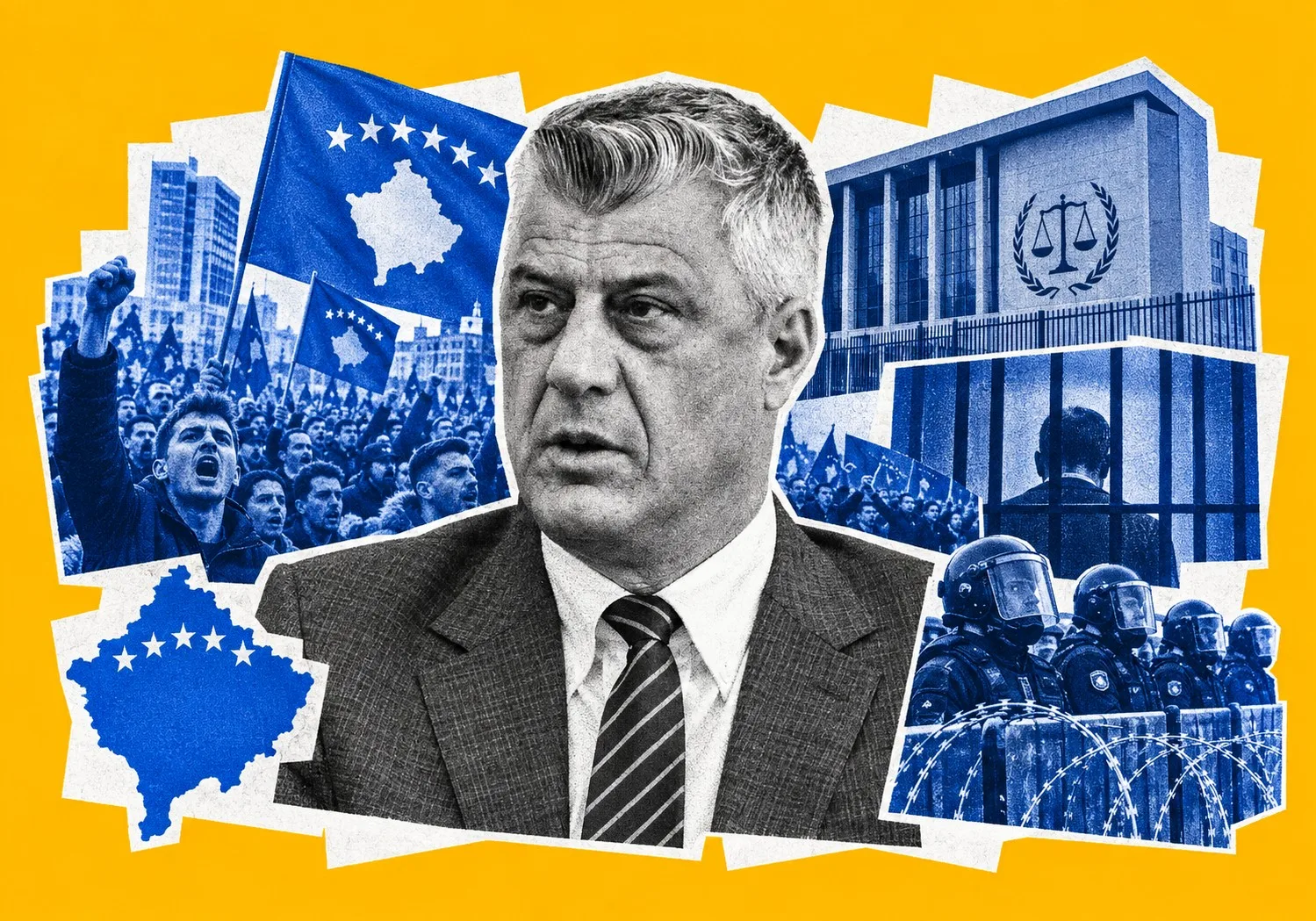
The Hague has sentenced former Kosovo President Hashim Thaçi to 25 years in prison for war crimes, dismantling the diplomatic arrangements that have underpinned the Western Balkans since 1999. Standing in silence as Presiding Judge Charles Smith delivered the verdict, the 58-year-old former guerrilla commander was convicted of 96 murders, illegal detentions, and torture during Kosovo’s war for independence. The ruling, which handed heavy sentences to fellow Kosovo Liberation Army (KLA) leaders Jakup Krasniqi, Kadri Veseli, and Rexhep Selimi, marks the end of Western diplomatic realpolitik in the region.

The conviction reaches well beyond the courtroom. For years, foreign ministries in London and Washington treated the KLA’s former leadership as the primary guarantors of stability on the ground. By supporting an independent judicial process to review evidence gathered over two decades, those same capitals have permitted the breakdown of Kosovo's political origin story. When international legal bodies operate without political oversight, their evidentiary standards inevitably conflict with the deals struck by their original sponsors.
The End of Political Cover
In the late 1990s, as fighting between Serbian forces and ethnic Albanian guerrillas displaced roughly one million people, Western diplomats needed a reliable partner inside the KLA. They focused on "Commander Snake," the nom de guerre of the young philosophy student directing the group's political wing. Thaçi stepped into the role. He led the KLA delegation at Rambouillet, coordinated with NATO during its bombing campaign, and read Kosovo's declaration of independence in 2008. American and European officials treated him as an essential broker, choosing to set aside intelligence reports detailing how KLA units handled internal opposition.
That protection ran out with the establishment of the Kosovo Specialist Chambers. Created under a 2015 Kosovar parliamentary act pushed through by intense Western pressure, the Hague court was designed to sit entirely outside local political influence. Thaçi still faces a separate trial over witness intimidation, a reminder of the friction surrounding the court's work.
The bench rejected defense claims that the KLA's loose hierarchy absolved senior figures of blame. Instead, the panel held that Thaçi used his position to encourage systematic abuse, relying on unverified claims to target political opponents and ethnic minorities before they were detained or killed. Judges confirmed that operational commanders maintained direct control over sites where systemic violence took place.
This finding exposes the central dilemma European diplomats managed for twenty years. Western powers supporting Kosovo's statehood were aware of the KLA's record, yet preferred to overlook wartime operations as long as Thaçi maintained stability. That political compromise has now collapsed, forcing Western capitals to confront a judicial record that directly undermines their past political backing.
Pristina’s Narrative Breaks
Crowds gathered in Pristina to watch the live feed from The Hague, chanting "UÇK" as the sentence was announced. Foreign Minister Glauk Konjufca condemned the judgment, while the Democratic Party of Kosovo blamed Serbian propaganda. For ethnic Albanians, the 1998–1999 conflict was a defensive struggle against state oppression. A ruling documenting organized detentions and killings by KLA leaders collides directly with that public history.

Judge Smith pointed out that the trial was not a verdict on the overall legitimacy of Kosovo's independence effort. The court dismissed six counts of crimes against humanity, finding no proof of a general attack against the civilian population. The convictions were confined to specific instances of command responsibility: 385 detentions, 303 cases of torture, and 96 murders.
Yet the political consequences inside Kosovo remain severe. The national identity of the young state was forged around the liberation war. By legally establishing that senior commanders orchestrated the execution of rivals and minorities, the tribunal forces Kosovar society to manage a divided past. The war can no longer be presented in public debate as an entirely clean campaign.
The verdict also weakens Pristina's standing abroad. Kosovar diplomats long anchored their case for international recognition on moral clarity. Opposition states can now cite a ruling from an EU-backed court detailing criminal conduct at the top of the state's founding movement.
Belgrade Gains Room to Maneuver
The judgment shifts political leverage in the region. For Belgrade, the ruling is an immediate diplomatic gain. Serbian officials welcomed the decision, using the 25-year sentence to argue that their long-standing complaints about KLA atrocities were justified. In EU-mediated talks between Serbia and Kosovo, Belgrade gains fresh cause to delay concessions while challenging Pristina's political credentials.
Serbian negotiators will use the verdict to resist pressure for full recognition of Kosovo. By focusing on KLA abuses, Serbian diplomacy hopes to reframe the narrative of the 1990s wars. This complicates efforts by Brussels to secure a final normalization agreement between the two neighbors.
For Kosovo, the fallout arrives at a difficult moment, hindering its push for broader recognition and integration into European bodies. The verdict creates vulnerabilities in capitals that were already reluctant to endorse Kosovar statehood.
Inside Kosovar domestic politics, however, the verdict removes the wartime elite that has dominated power since 1999. With Thaçi, Veseli, Krasniqi, and Selimi serving long sentences, political authority passes to younger civilian leaders who must manage state affairs without relying on battlefield credentials. This shift may eventually force Pristina toward more policy-focused governance, even if the immediate transition brings instability.
The removal of the KLA leadership alters internal party dynamics. For more than two decades, electoral success in Pristina was tied to wartime service. Younger politicians without guerrilla backgrounds found it difficult to challenge commanders like Thaçi. Now, political space opens for figures whose standing rests on administrative competence and economic reform.
An Unwanted Precedent for Brussels
The European Union spent years establishing the Specialist Chambers to anchor the rule of law in a region it aims to integrate. In doing so, it initiated a court process that disrupted the political balance it spent decades maintaining. The court was built to show that European integration requires strict adherence to international law, regardless of who is standing trial.

Yet applying that principle reveals deep contradictions in Western diplomacy across the Balkans. Brussels attempted to build democratic institutions in Kosovo while keeping wartime leaders insulated from legal challenge. Moving trials to The Hague was an admission that domestic Kosovar courts could not handle senior KLA figures due to witness intimidation.
By shifting the judicial process overseas, the European Union avoided local interference. But the resulting verdicts leave European diplomats with a major strategic problem: the court delivered accountability by dismantling the political elite Brussels relied on to maintain order and conduct negotiations.
Diplomats in European capitals must now handle the fallout from a judicial mechanism they created but could not manage. European officials are left trying to maintain stability without the political brokers who delivered it for a generation.
The reach of command responsibility
With defense lawyers preparing an appeal, the verdict leaves European policymakers managing the fallout of their own legal creation in a region defined by historical grievances. The decision sets a tough standard for the command responsibility of non-state armed groups, rejecting the argument that loose guerrilla structures or national goals protect leaders from prosecution.
This legal principle extends far beyond the Balkans. The conviction of a former president who once led an unrecognized insurgent group sends a clear signal to armed movements elsewhere. Post-conflict political utility does not offer permanent protection from prosecution under international law.
The trial of Hashim Thaçi shows what happens when an internationalized judicial body operates with full autonomy. Western powers created the Kosovo Specialist Chambers to satisfy demands for legal accountability, expecting the political impact could be managed. Instead, the tribunal carried out its mandate to the end, removing the diplomatic cover that long protected Commander Snake.
Whether the political structure of the Western Balkans can absorb this reality remains uncertain. Pristina faces a period of internal realignment, while Belgrade holds new diplomatic arguments in ongoing talks. European diplomacy, having insisted on the authority of international law, must now adapt to a region where old political assumptions no longer hold.
Sources: The Guardian, Euronews, Reuters, VA, Balkan Insight